To Love A Fellow Jew: Short Stories Of The Rebbe’s Ahavas Yisrael
OPENING STATEMENT
Motzoei Yud Shevat 5710
At 9:45, the Rebbe entered the small zal in order to farbreng on the first yahrtzeit of the Rebbe Rayatz. In the second sicha, the Rebbe alluded to accepting the nesius and spoke about the American custom of making a statement when starting something new. The statement that the Rebbe made on that day that we all became his Chassidim was about three loves: love for Torah, love for Hashem, and Ahavas Yisrael.
“When there is Ahavas Hashem but there isn’t love for Torah and Ahavas Yisrael, that indicates that the love for Hashem is also lacking. When there is Ahavas Yisrael one ultimately attains love for Torah and love for Hashem.
This statement needs to be announced. When we see a Jew who has love for Hashem and he does not have love for Torah and Ahavas Yisrael, he needs to be told that he should know that love for Hashem alone, without love for Torah and Ahavas Yisrael, does not last.
And through this the Geula will come, for just as the reason that “we were exiled from our land” in the final galus is because of the opposite of Ahavas Yisrael, so too, through Ahavas Yisarel the Geula will come speedily in our days.” (Toras Menachem Beis, Yud Shevat)
Indeed, Chabad Chassidus, which came from the town of Lubavitch, continues in the same way.
In a maamar Chassidus that the Rebbe delivered right afterward, he related stories from each of the Rebbeim about their unbounded Ahavas Yisrael for every Jew.
R’ Nachum Rabinowitz related:
“A certain askan went to the Rebbe’s room and saw the Rebbe looking serious. He got up the courage and asked about it. The Rebbe told him that a couple who had just married had come and asked to go on shlichus and he made it conditional on their receiving their parents’ approval. They returned a few days later with their approval and he gave them his blessing.
The wife was an only girl with five brothers who served as the Rebbe’s shluchim around the world, and the Rebbe began listing each place. He concluded by saying the parents were left alone.
“Now they are at the airport and many tears are being shed. Although they are tears of joy, they are still tears. At this moment, I am with them.”
A SINGLE BOY
Rabbi Nachman Yosef Twerski relates:
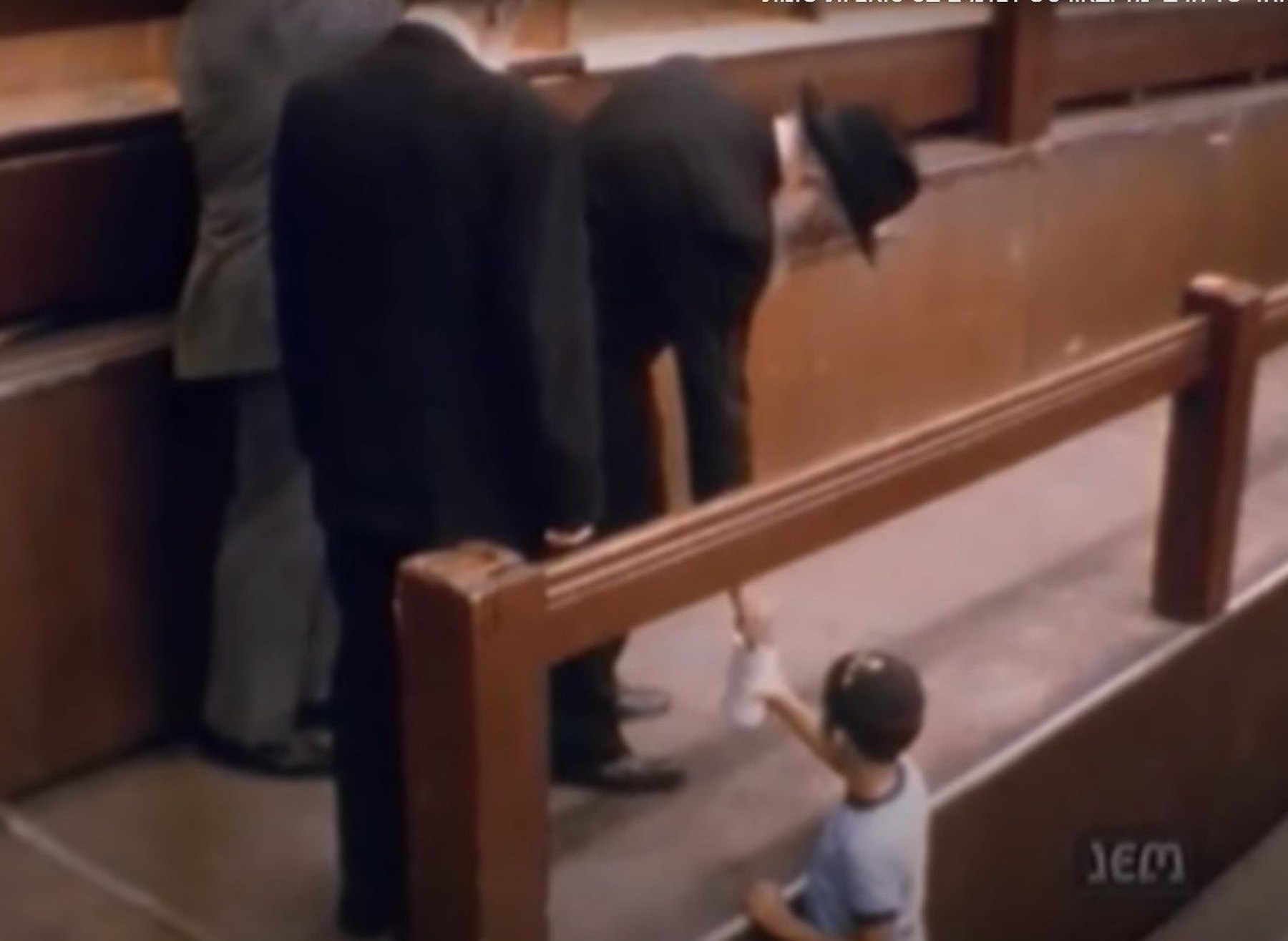
“In 5735, 9 Kislev was on Shabbos. How fitting it would be for the Rebbe to honor the baal ha’hilula with a farbrengen. But no. To everyone’s surprise, there was no farbrengen.
A short while before, the mother of a boy in yeshiva in Crown Heights, wrote to the Rebbe. She said that her son’s appearance was “different” and boys in his class were mean to him.
The Rebbe asked R’ Chodakov to personally get involved.
The boy’s bar mitzva was on Shabbos, 9 Kislev. At the end of the davening, people sat down to celebrate with him but they tried to do so quickly so as not to miss the Rebbe’s farbrengen. At some point, a Chassid came in and announced that there wouldn’t be a farbrengen with the Rebbe, so the people relaxed and continued to farbreng with the boy which made the boy very happy.
Later on, the Rebbe explained to the secretary that in order that a boy not be disappointed by a quick celebration, for the sake of a Jewish boy’s happiness, the Rebbe did not farbreng on that special day.
Once, the Rebbe said:
“The thing for which I was placed on the chair [i.e. became Rebbe] is to draw down G-dliness, and they are not allowing me to do this because of the lack of unity that prevails.”
WE’LL THINK ABOUT IT TOMORROW
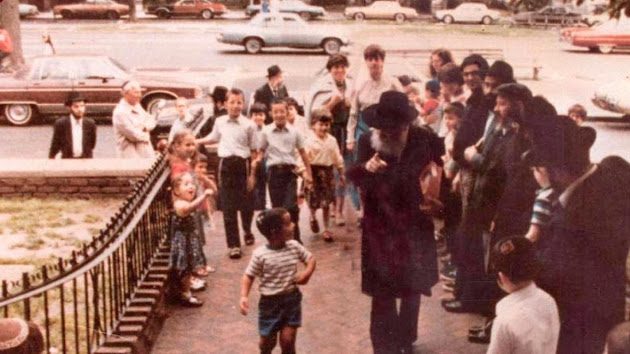
When the Rebbe returned from the Ohel on Yud Shevat one year, he announced the distribution of kuntreisim. Thousands of Chassidim, who were in 770 at the time, immediately stood on line and the distribution took hours.
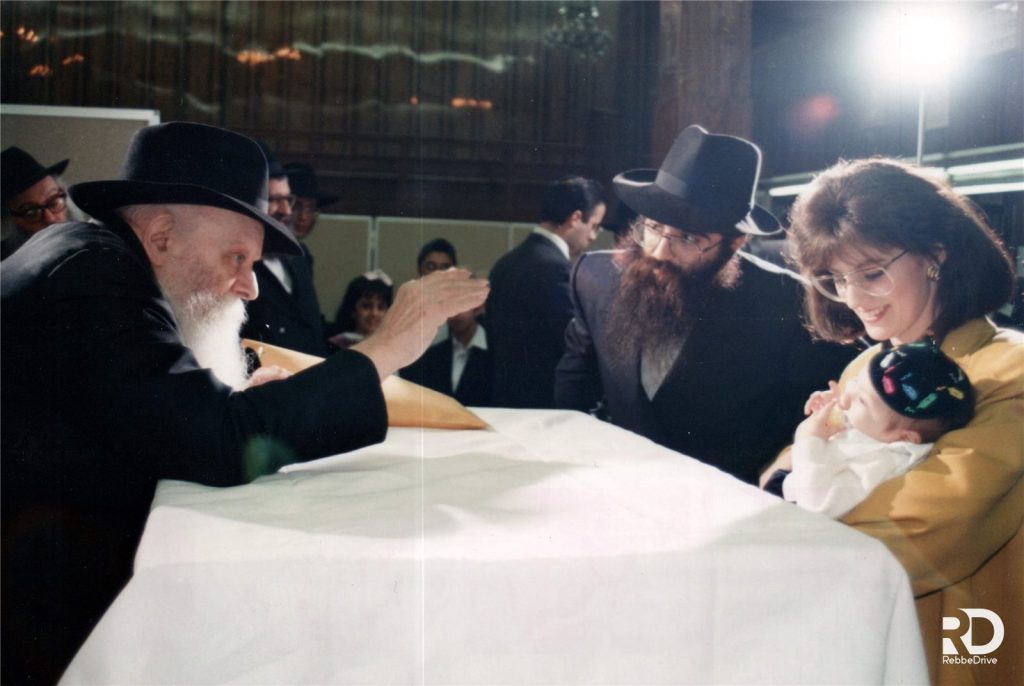
During the distribution, R’ Yaakov Hecht suggested that the Rebbe pause the distribution so he could eat something, since he hadn’t eaten since the morning.
The Rebbe said, “We’ll think about it tomorrow,” and continued what he was doing.
THIS IS FOR THE LOVE
Rabbi YY Jacobson relates:
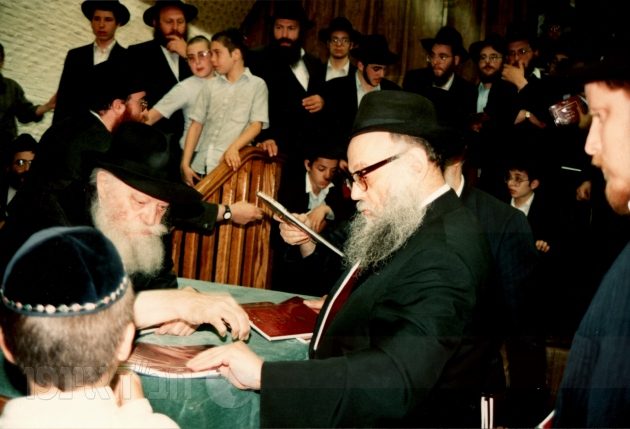
On Sunday, 26 Adar 5752 I was a bachur and I was going to Eretz Yisrael. Before the trip, I asked the Rebbe for a bracha when I went for dollars. In front of me stood a girl around six-seven years old, not a Lubavitcher. When she received a dollar from the Rebbe she said, “I love you.”
The secretaries were uncomfortable and I was curious about how the Rebbe would respond. The Rebbe smiled in a way I had never seen before. The girl, who had started walking to the exit, was called back by the Rebbe. He gave her another dollar and said, “This is for the love.”
MIVTZAIM? WITH AHAVAS YISRAEL
To someone who was excitedly involved in mivtzaim but lacked Ahavas Yisrael, the Rebbe said in yechidus, “Mivtzaim is my thing and I don’t want you to go on mivtzaim.”
Beis Moshiach #1416 • pp. 59-61
© 2026 Beis Moshiach Magazine. All rights reserved.
This article originally appeared in Beis Moshiach #1416. You are welcome to share it with friends and family by email or in print, provided that you do not change, add to or omit any part of it, you credit the author and Beis Moshiach, and you include a link to archive.bmoshiach.org (written out in full in printed copies).
To republish this article in a newspaper, magazine, book or website, please request permission in advance at [email protected].