
When the Rebbe Refused a New Car
Sunday, 14 Adar I, Purim Kattan 5746.
“I’ll record here the story of the Rebbe’s new car,” wrote R’ Hirshel Raskin in his diary. He was one of the tmimim who learned in 770 at the time. [What follows is taken from his diary, in his unique style]:
The story basically goes like this. A month ago, they began preparing a new car. They bought a Cadillac that cost nearly $40,000. They received permission to buy it from the Rebbetzin but they did not say anything to the Rebbe shlita about it.
The car had some modifications to make it comfortable for the Rebbe. They added twelve inches in the length of the car, more than usual, so there would be more leg room between the Rebbe’s seat and the seat in front of it. They also made it so that the door opens wider than previously, for the Rebbe’s comfort so he won’t need to squeeze in upon entering and sitting in the car (and they added some other American ‘crazes’).
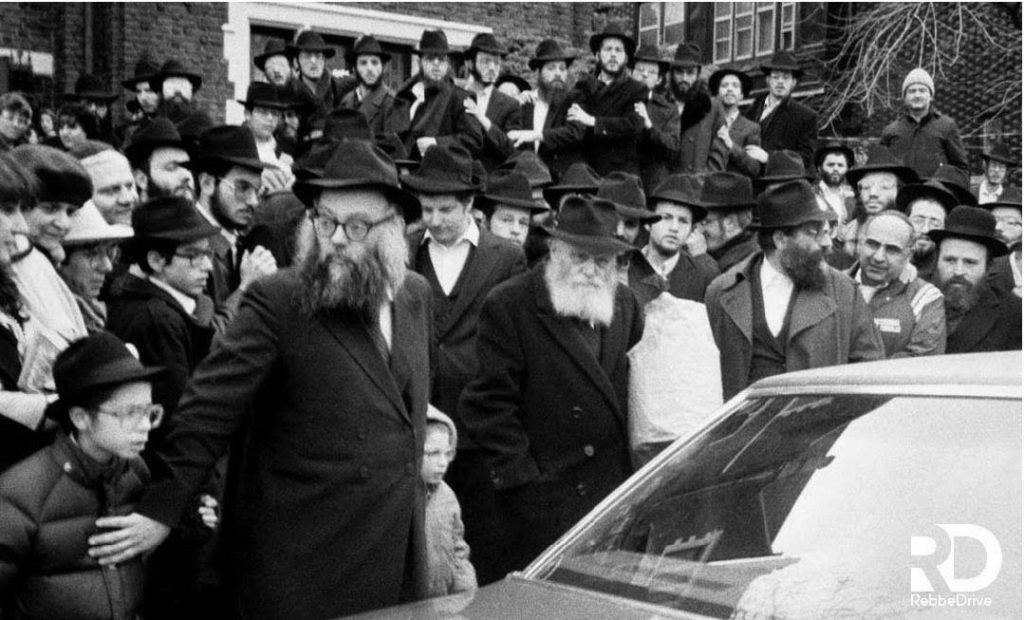
The Rebbe was supposed to ride in it on Sunday, Purim Kattan, to the Ohel. About an hour before the Rebbe left, at about 2:30, they began dancing there and in the meantime, many children and bachurim gathered to see what would happen. Would the Rebbe enter the car? They also wanted to see the new car.
The money for it came from wealthy Anash who each donated a certain amount.
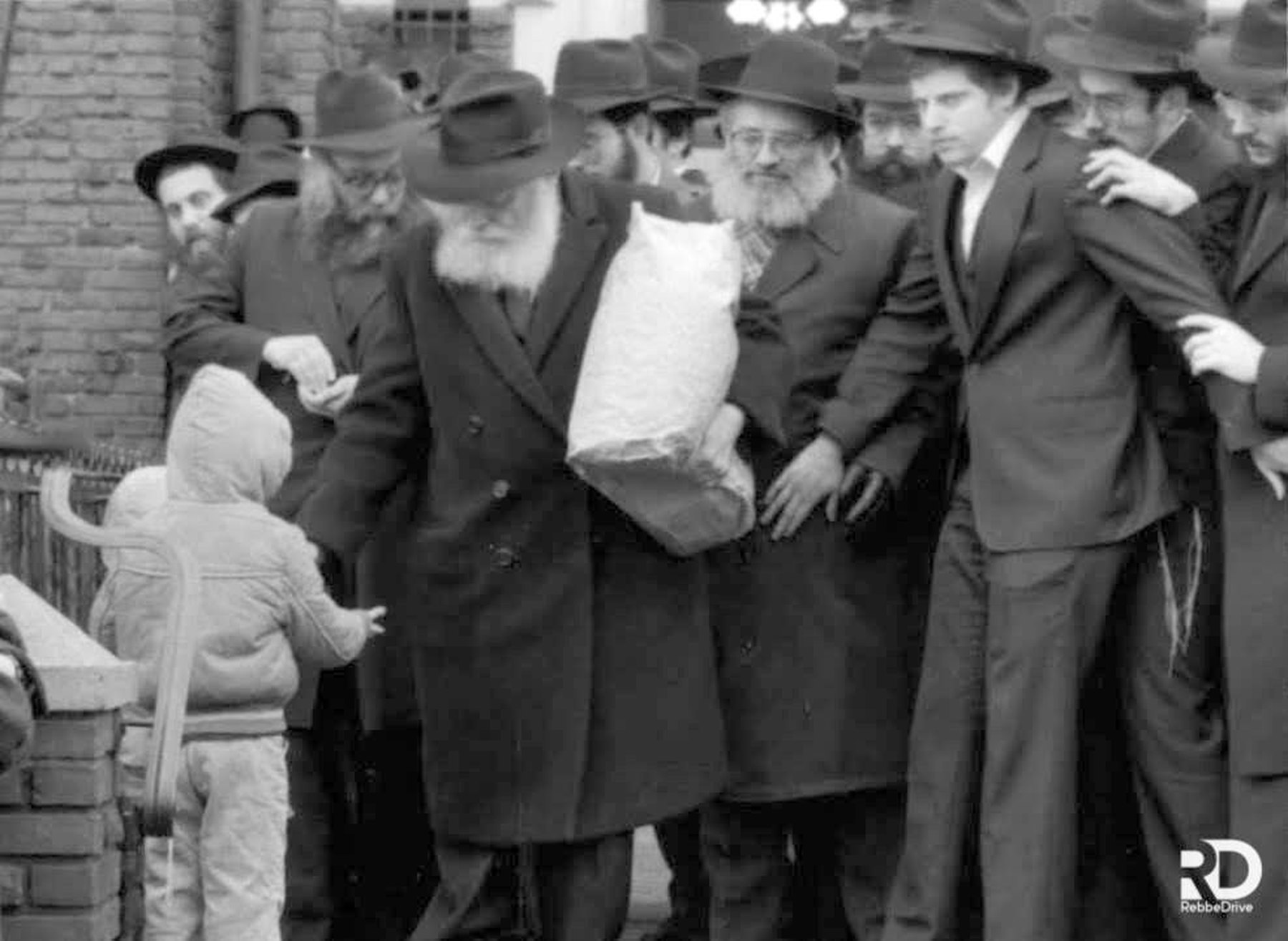
Around 3:40 the Rebbe came out of 770 and began giving out coins for tzedaka to the children who stood along the path. As he stood on the bottom steps near the pavement, he glanced at the new car and gave tzedaka to one of the children. Then he looked at the car again and gave a coin to another child. Then he looked again and gave a coin to another child.
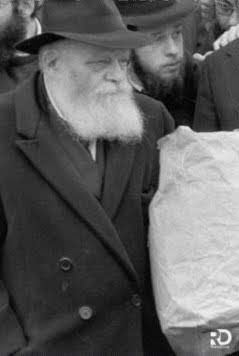
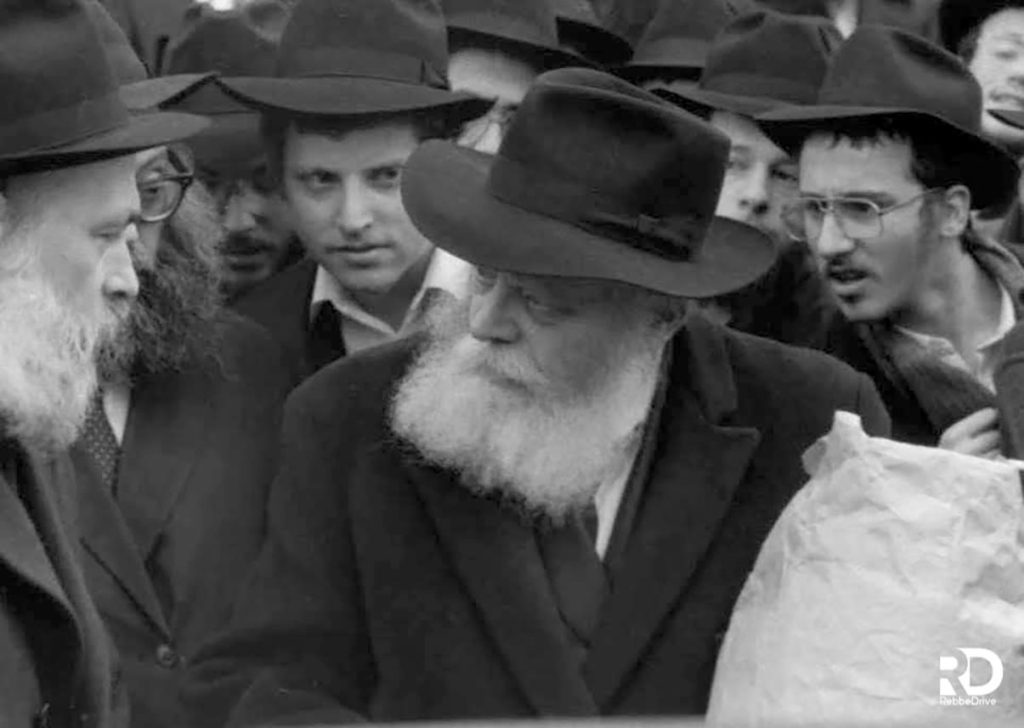
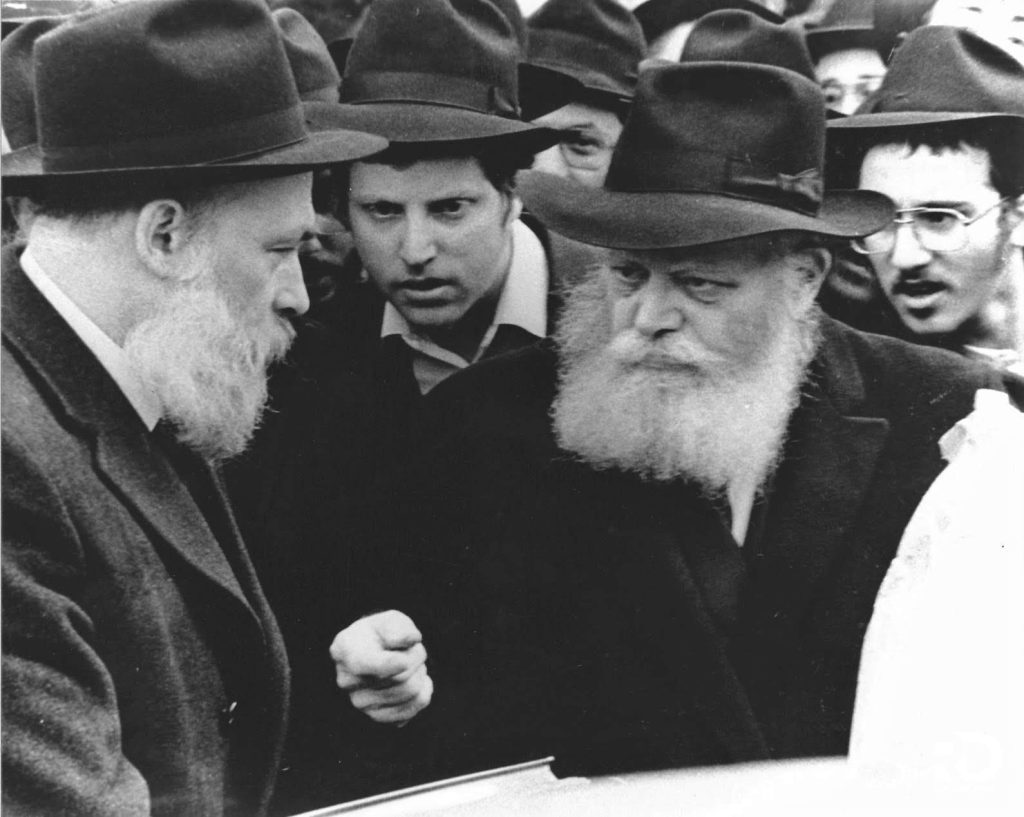
When he approached the door of the car which was open (the driver, Rabbi YD Krinsky stood near it and on the Rebbe’s side stood R’ Groner), the Rebbe looked serious and he asked, while making a questioning motion with his hand, “What’s this?” R’ YDK answered, a little flustered, “So-and-so gave a gift to Merkos L’Inyonei Chinuch to buy a car for the Rebbe shlita.”
The Rebbe replied, “Give it back to him. One who hates gifts will live. I’m not going in that.”
The driver was even more frightened than previously and he looked white.
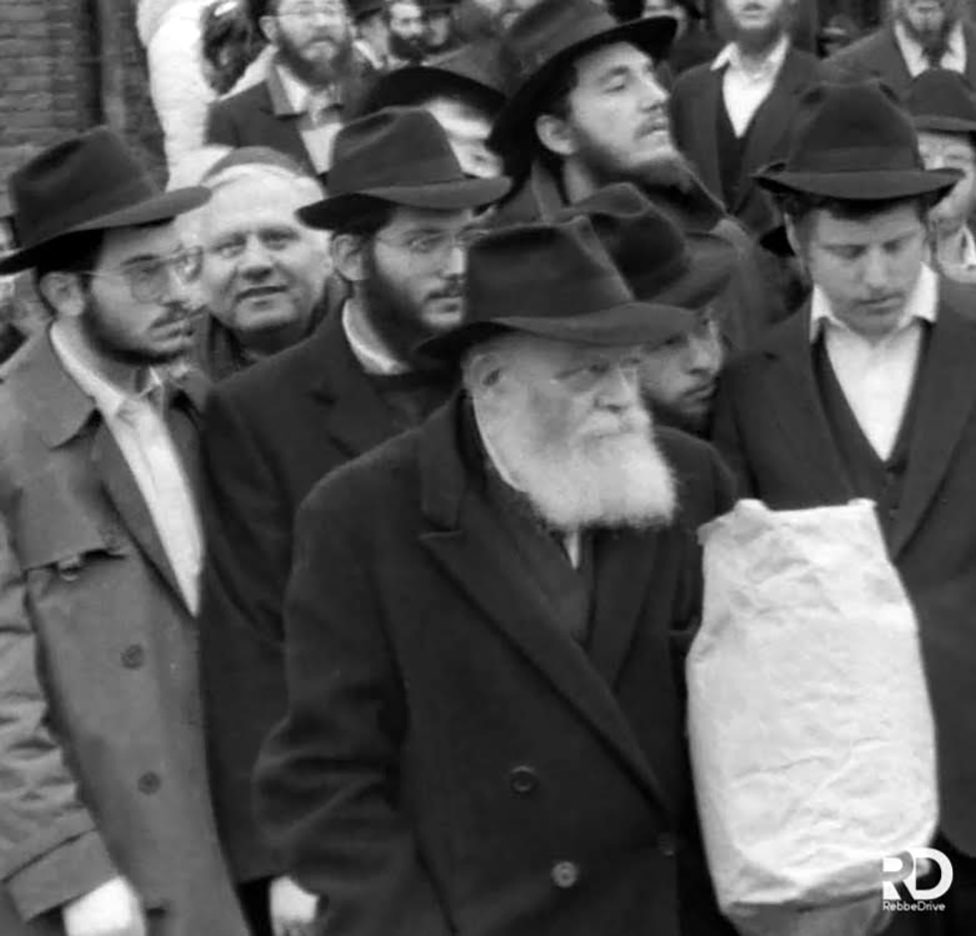
The Rebbe asked, “Where is the old car that we drove in last night?”
The driver motioned that it was behind them, not far from the library. The Rebbe motioned that the new car should be put behind and the old one brought back here.
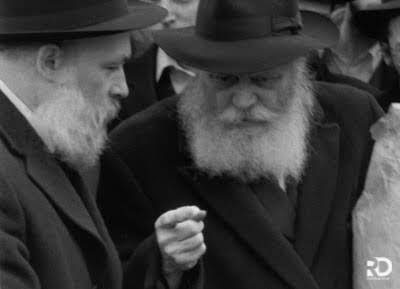
In the meantime, chaos ensued and R’ Groner became a traffic cop, ensuring that the cars standing motionless on the road continued moving. R’ Krinsky’s children helped him to take out the Rebbe’s things from the new car that he needed to take with him to the Ohel, as well as their father’s belongings like a typewriter etc. One of the sons brought the old car near where the Rebbe stood. The Rebbe asked, “Is this the car I traveled in last night?” and he got in. As soon as he entered, he removed Likutei Sichos volume 21 out of an envelope and a small Tehillas Hashem siddur (which he gave out to children at the farbrengen before Shavuos 5739) and put them near the glass partition in front of him. Then he took out papers and read them.
A moment after the Rebbe entered the car, R’ Krinsky exited and approached the new car and took out a Chitas he had forgotten there and put it into the old car. (They had totally given up on the old car so that it hardly had any gas. They say that in the middle of driving, R’ Krinsky stopped at a gas station and filled up the car.)
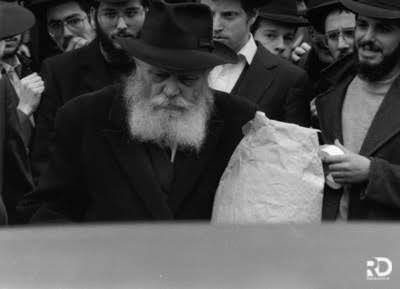
This entire event took four minutes but to many, it seemed much longer. It’s hard to describe the scene where the Rebbe was waiting outside and looking around so seriously and tensely.
The writer of the diary concludes: “The Rebbe returned from the Ohel about 7:00 and about ten minutes later he came out for Mincha-Maariv.”
[About two and a half months later, at a farbrengen on Shabbos parshas Kedoshim, 1 Iyar 5746, the Rebbe spoke about this event at length.]
Beis Moshiach #1451 • pp. 32-35
© 2026 Beis Moshiach Magazine. All rights reserved.
This article originally appeared in Beis Moshiach #1451. You are welcome to share it with friends and family by email or in print, provided that you do not change, add to or omit any part of it, you credit the author and Beis Moshiach, and you include a link to archive.bmoshiach.org (written out in full in printed copies).
To republish this article in a newspaper, magazine, book or website, please request permission in advance at [email protected].

