Days of Remembrance
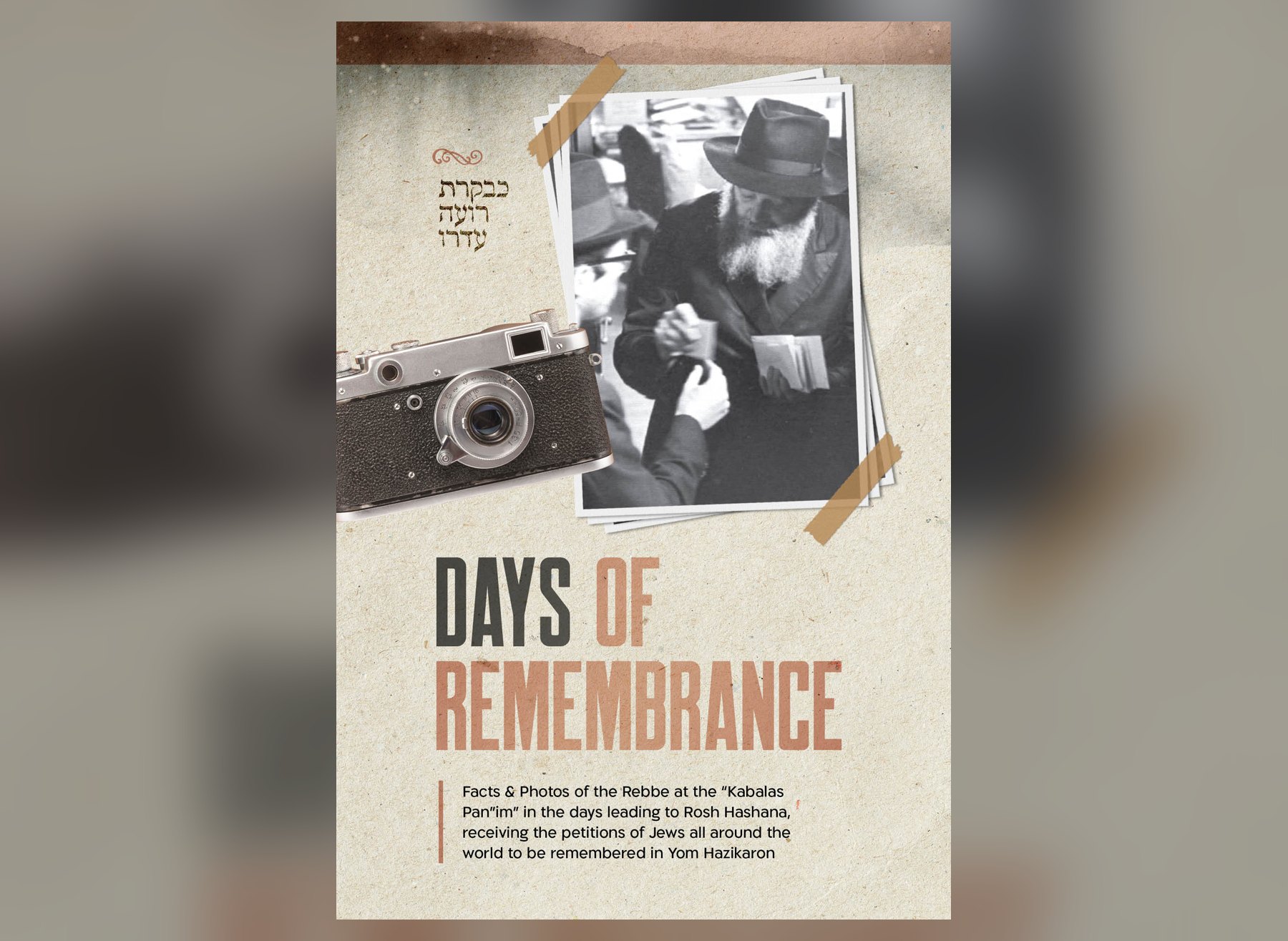
Facts & photos of the Rebbe at the “Kabalas Pan”im” in the days leading to Rosh Hashana, receiving the petitions of Jews all around the world to be remembered in Yom Hazikaron.
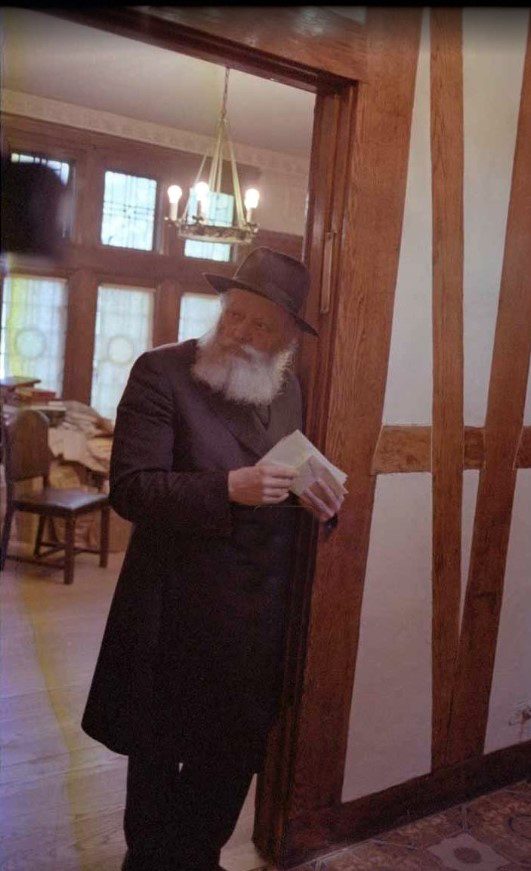
It is an old custom for Chassidim to pass before the Rebbe like a flock of sheep before their sheppard, on Erev Rosh Hashana, and give a pidyon nefesh to the Rebbe on behalf of themselves and their families. As the Rebbe took the panim, he blessed each one with “kesiva v’chasima tova, l’shana tova u’mesuka.” Chassidim who lived far away from the Rebbe and couldn’t go, would send their panim so that they reached the Rebbe before Rosh Hashana. Even Chassidim behind the Iron Curtain, who feared corresponding with the Rebbe Rayatz, as it endangered them, sent panim before Rosh Hashana because this is so important.
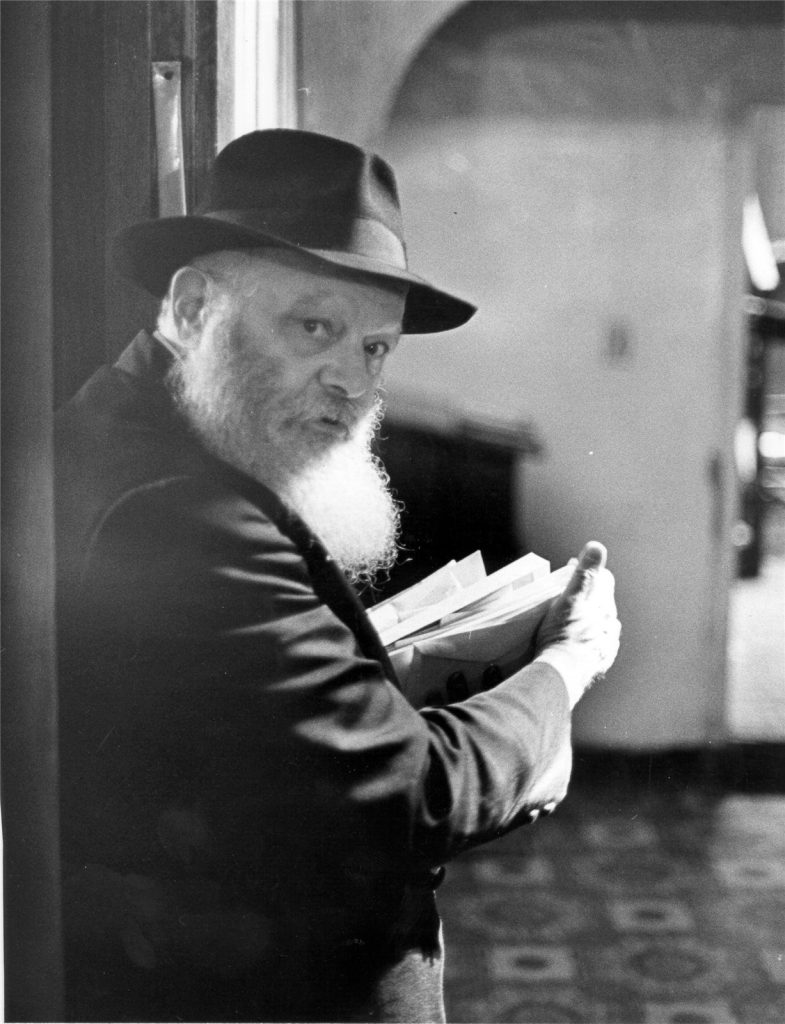
Inyanim of a pidyon nefesh is known only to a Rebbe. It expresses the deep soul bond between a Rebbe and Chassid. One year, the Rebbe Rayatz described the avoda of his father, the Rebbe Rashab, in receiving panim on erev Rosh Hashana. He said that his father did not do the same thing with each individual. From one, he received it in his hand; from another, he received it between his fingers. This wasn’t random; it was precise. One who is not a Rebbe will not understand.
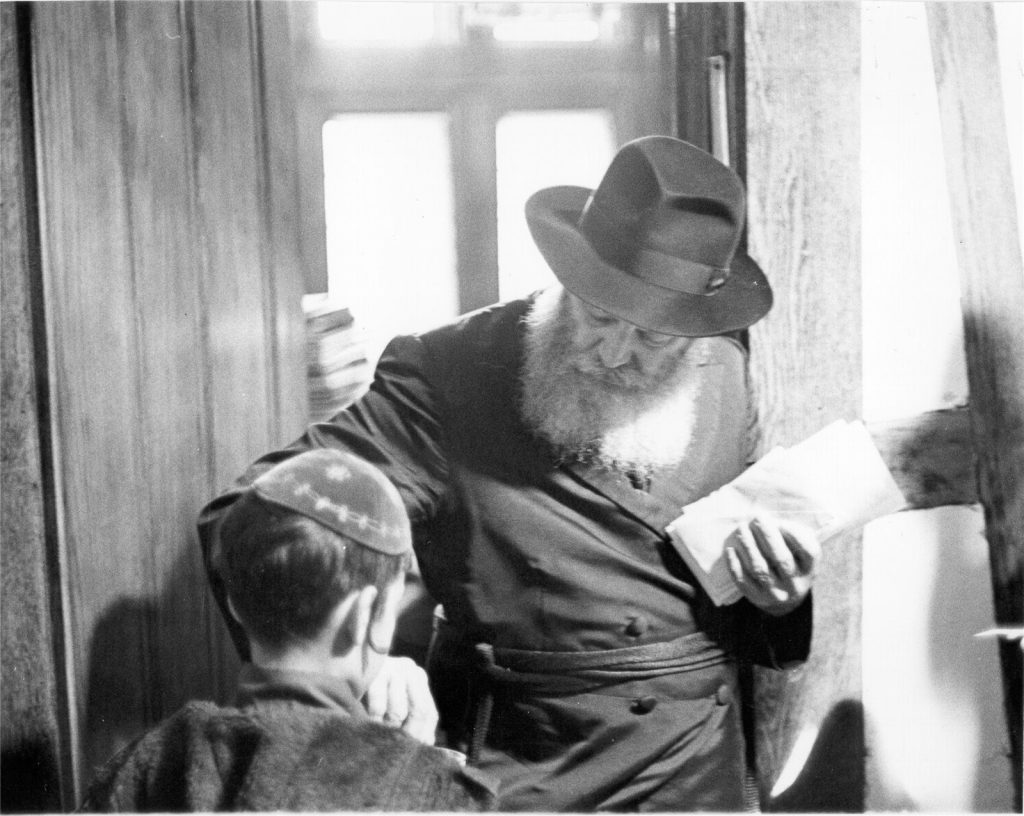
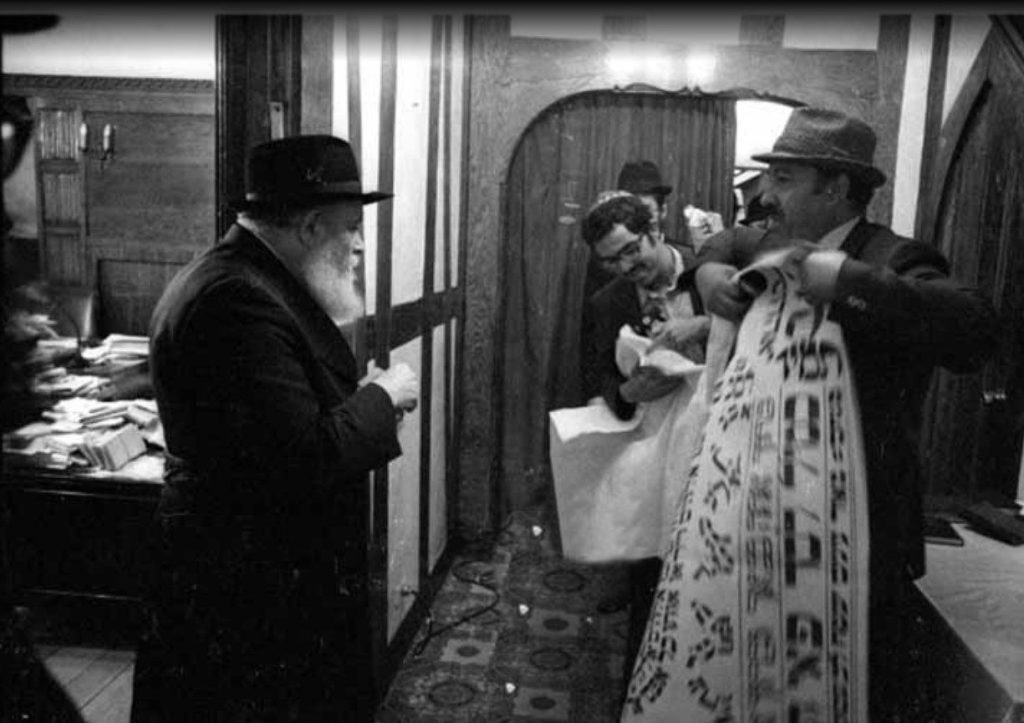
3 Elul 5739. Despite the imminence of Rosh Hashana and dread of the Day of Judgment, the Rebbe sometimes waited for Chassidim who were late in coming with their panim.
2 Elul 5739. An artist took the opportunity when the Rebbe was receiving panim to present his artistic work. Then he kissed the Rebbe’s hand.
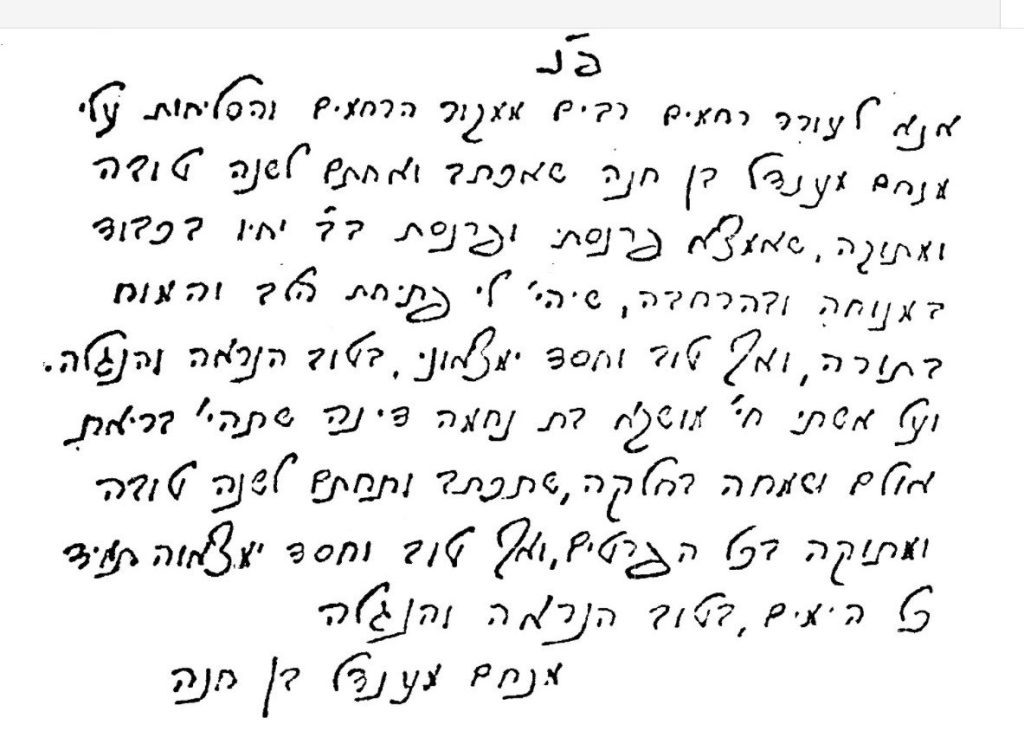
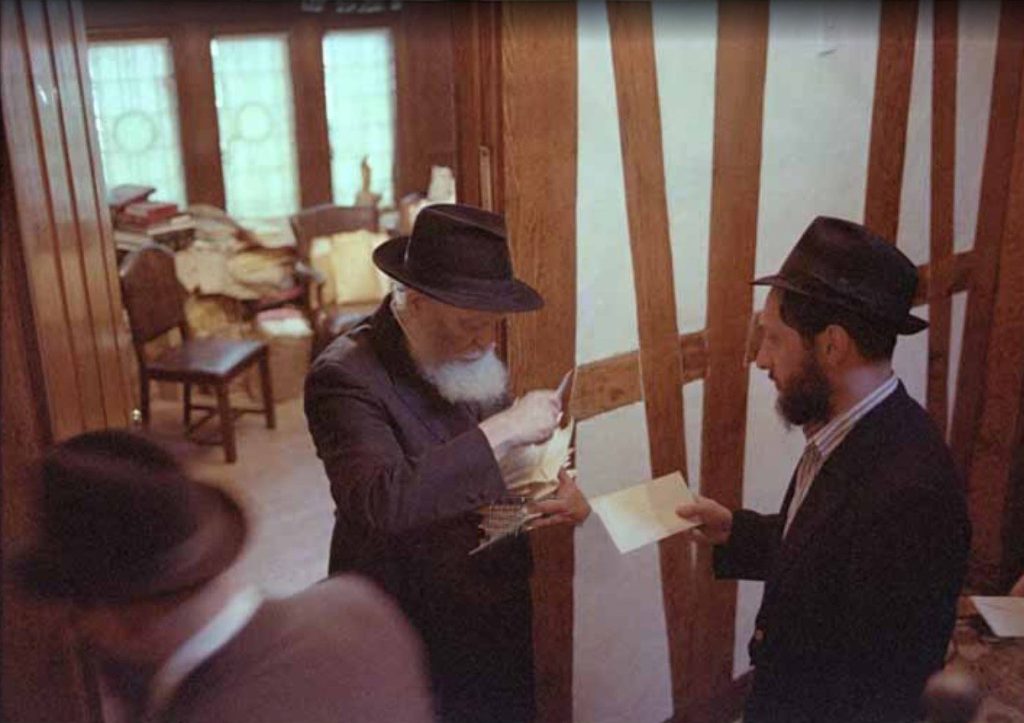
The pidyon nefesh is a reminder to arouse mercy when the petitioner mentions his name and his mother’s name, and the names of his family members and their mother’s name. These names stand before the Rebbe and he prays and entreats on behalf of each one.
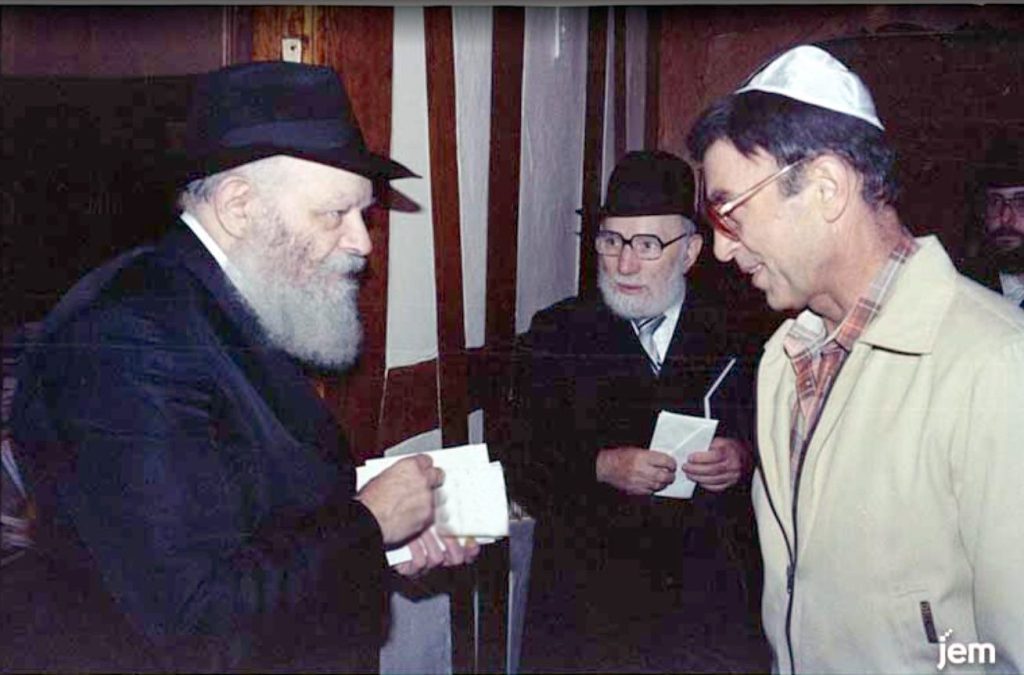
6 Elul 5739. A pile of panim had accumulated in the Rebbe’s hand and the Rebbe arranged them between one person and the next.
5 Elul 5740. Apparently someone who donated to Tomchei Tmimim. Next to him is the shadar and chazan on Yomim Noraim, Rabbi Yosef Wineberg.
Beis Moshiach #1477 • pp. 42-45
© 2026 Beis Moshiach Magazine. All rights reserved.
This article originally appeared in Beis Moshiach #1477. You are welcome to share it with friends and family by email or in print, provided that you do not change, add to or omit any part of it, you credit the author and Beis Moshiach, and you include a link to archive.bmoshiach.org (written out in full in printed copies).
To republish this article in a newspaper, magazine, book or website, please request permission in advance at [email protected].