
The Rebbe’s Sukkos Around 770
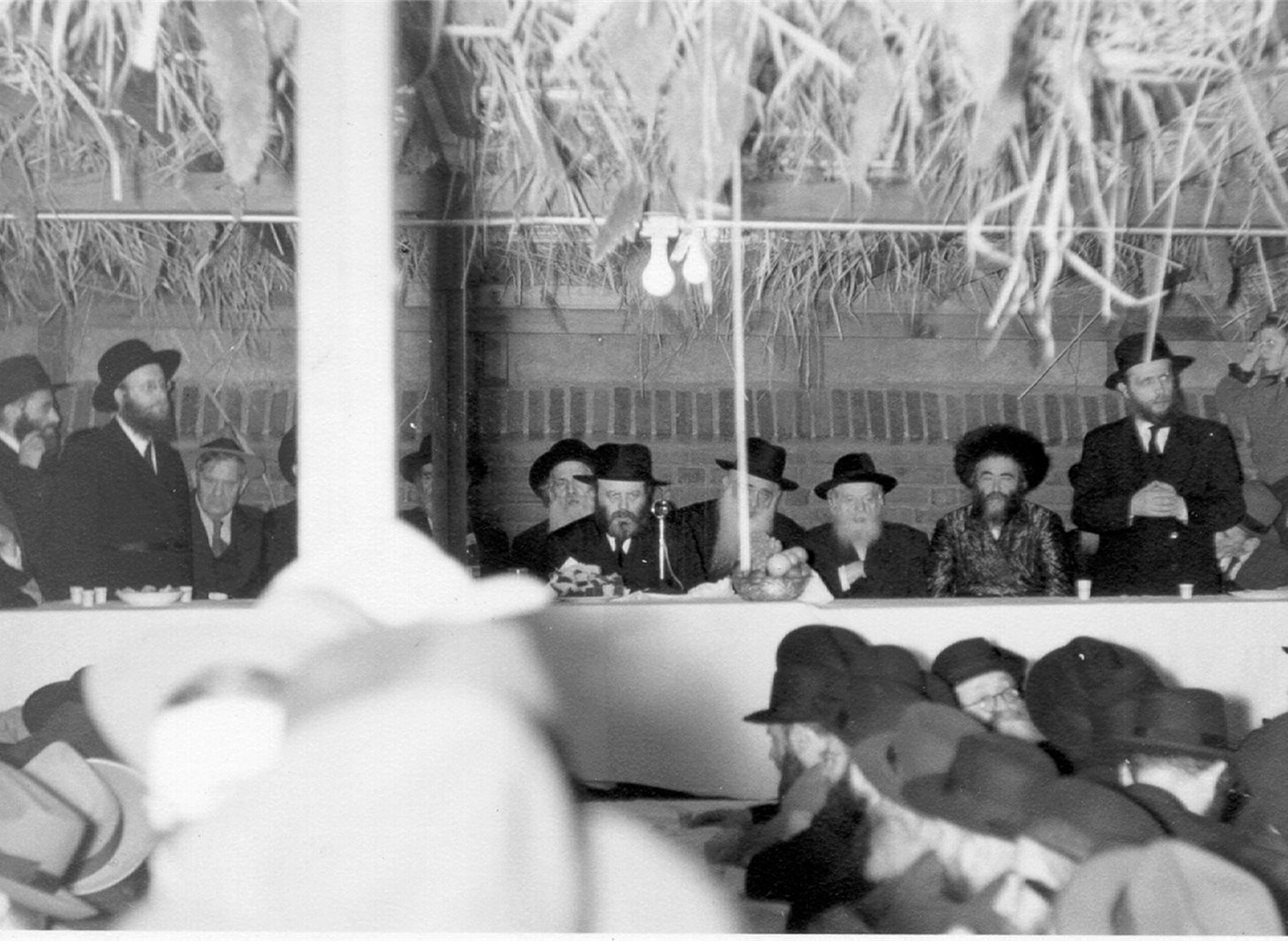
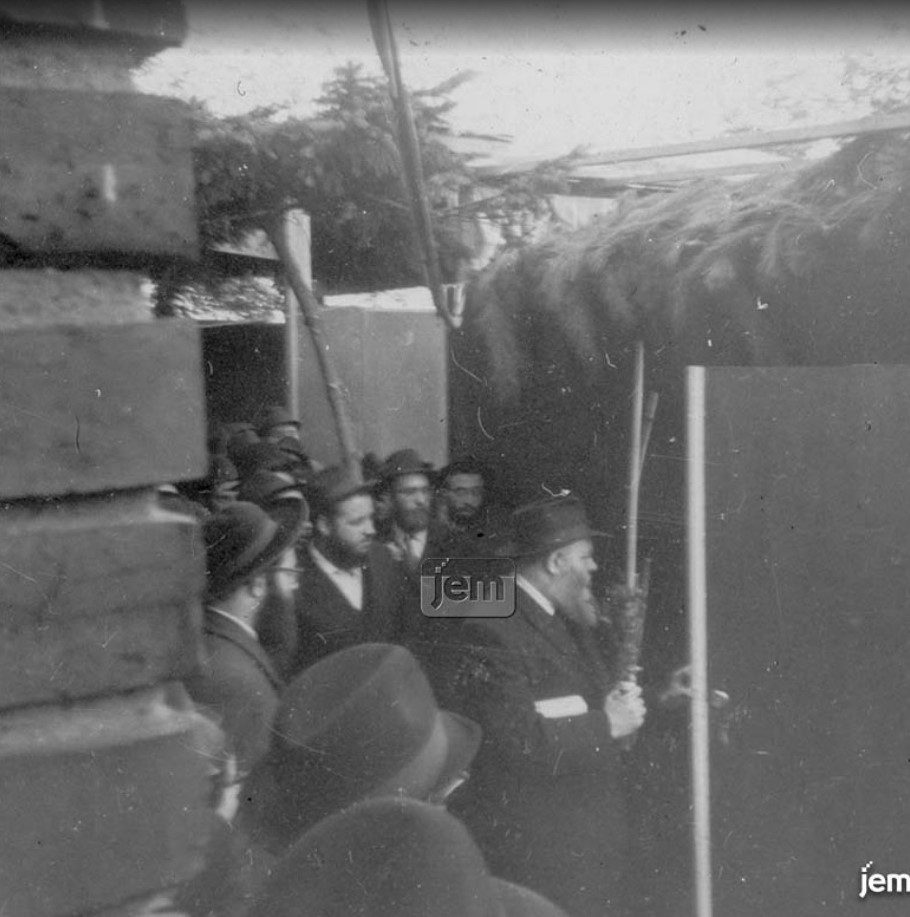
After the Rebbe accepted the nesius, a small sukka was built for him in the area between 770 and 784, next to the public sukka. The secretary, Rabbi Groner, related that in the early years the Rebbe was once sitting in the sukka and a man who did not know the Rebbe walked in through the open door. He asked, “Where is the Lubavitcher Rebbe?”
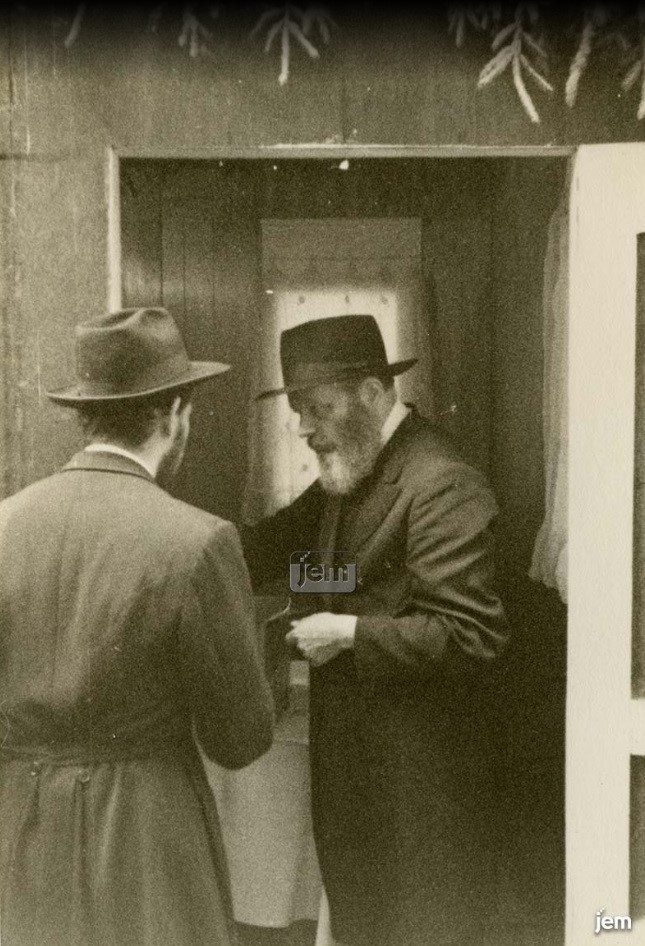
The Rebbe said, “Der Lubavitcher Rebbe iz nita; s’iz do zayn eidem” (The Lubavitcher Rebbe isn’t here; his son-in-law is here).
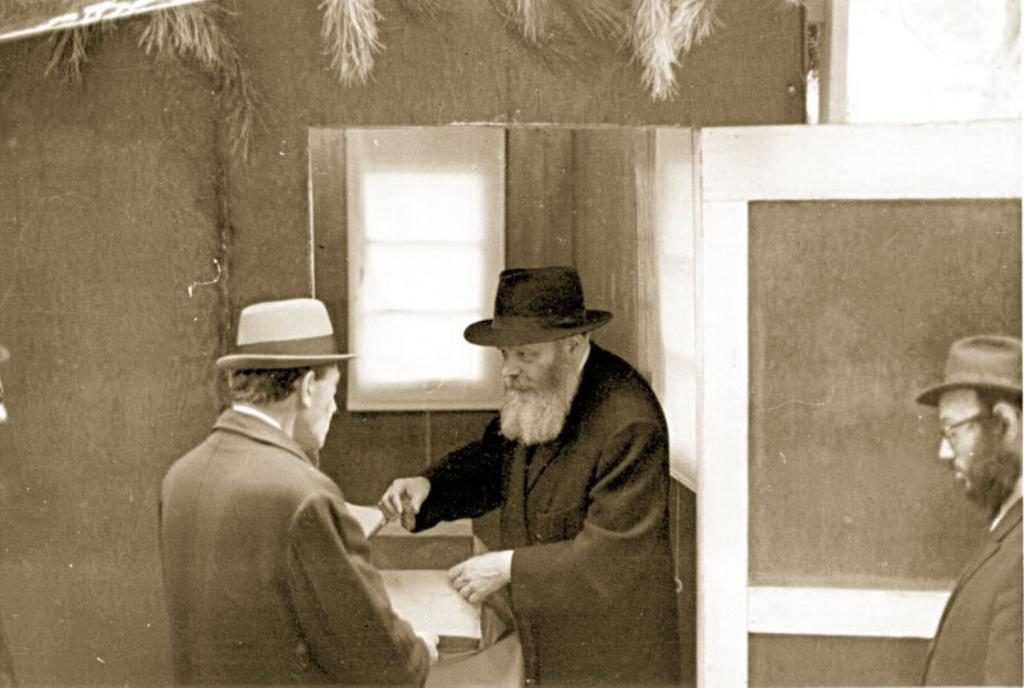
The location of the Rebbe’s sukka where it is today, in front of 770, was first built in Tishrei 5721. This sukka was initially built out of thin boards and aside from a chair, table and light, had no other creature comforts. It was a relatively nice sukka for that time yet very simple, fitting for the Rebbe’s conduct for he always shunned niceties.
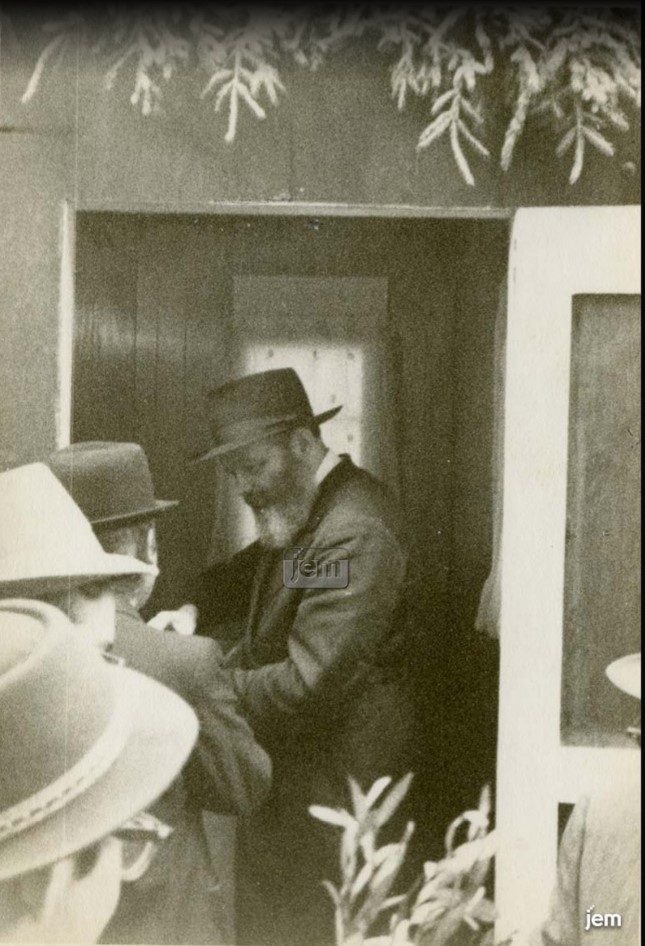
Fifteen years later, some tmimim decided to build a beautiful sukka as befits the Nasi HaDor. “As Chassidim, we considered the Rebbe a king. The fact that the Rebbe used such a simple sukka bothered us very much and we decided we must build him a royal sukka,” they said.
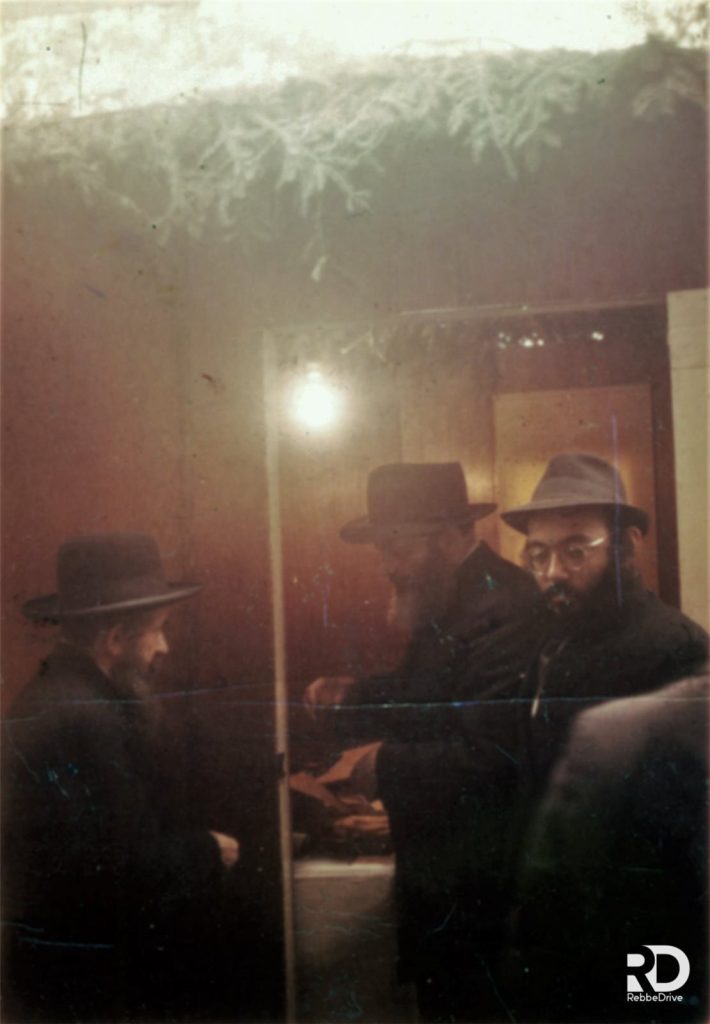
The tmimim asked an interior designer to prepare plans for a royal sukka that included various accessories. They took the plans to an expert carpenter and asked him to build a sukka. They told him not to skimp and to use the best materials available.
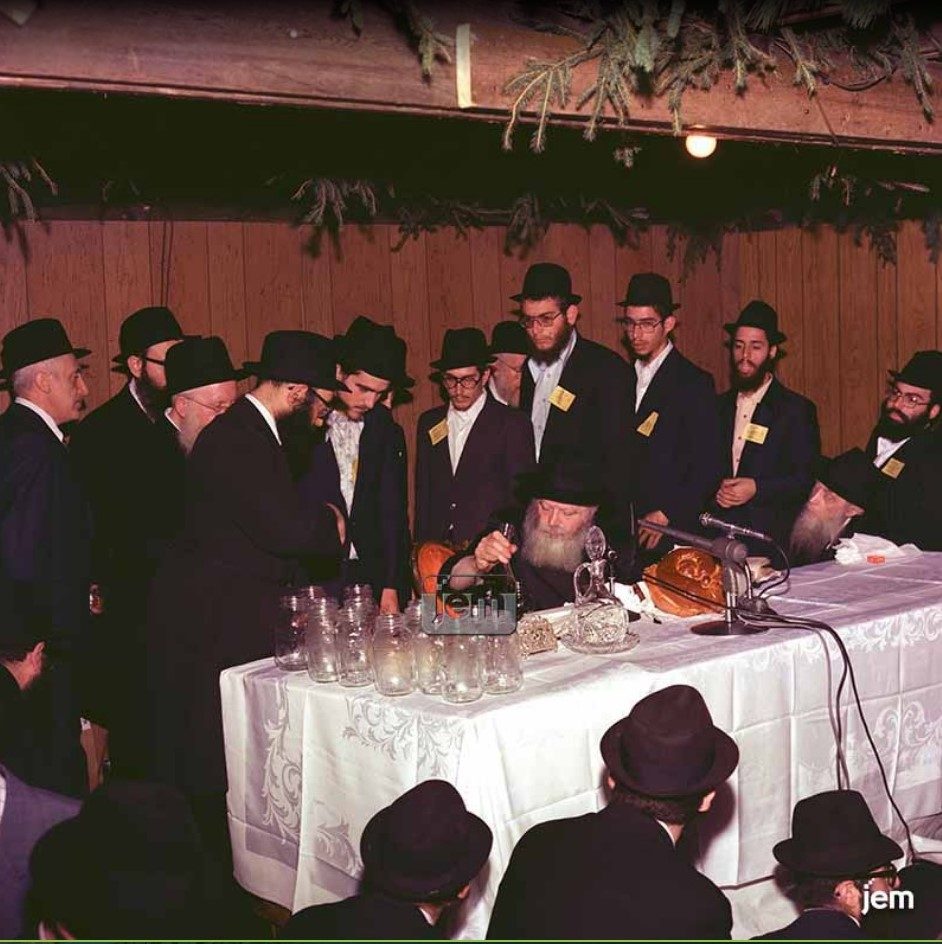
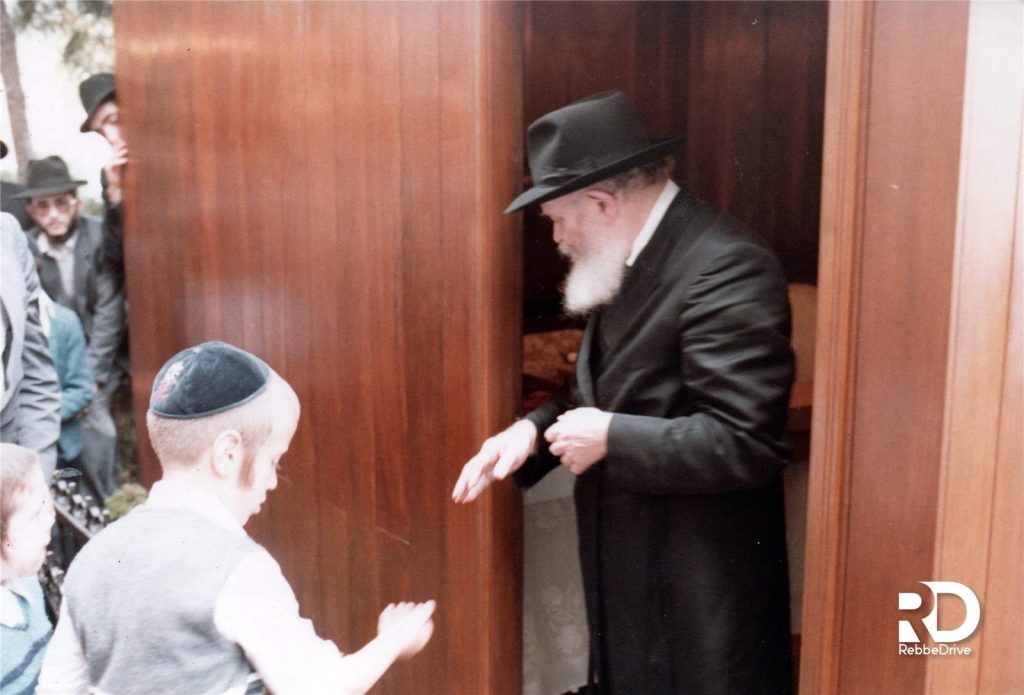
When the sukka was ready it was quite the creation. It was made out of waterproof wood that had previously been used for quality boats and all the walls were made of one type of wood that was divided into even sections. This created a unified look and full protection from cold or heat.
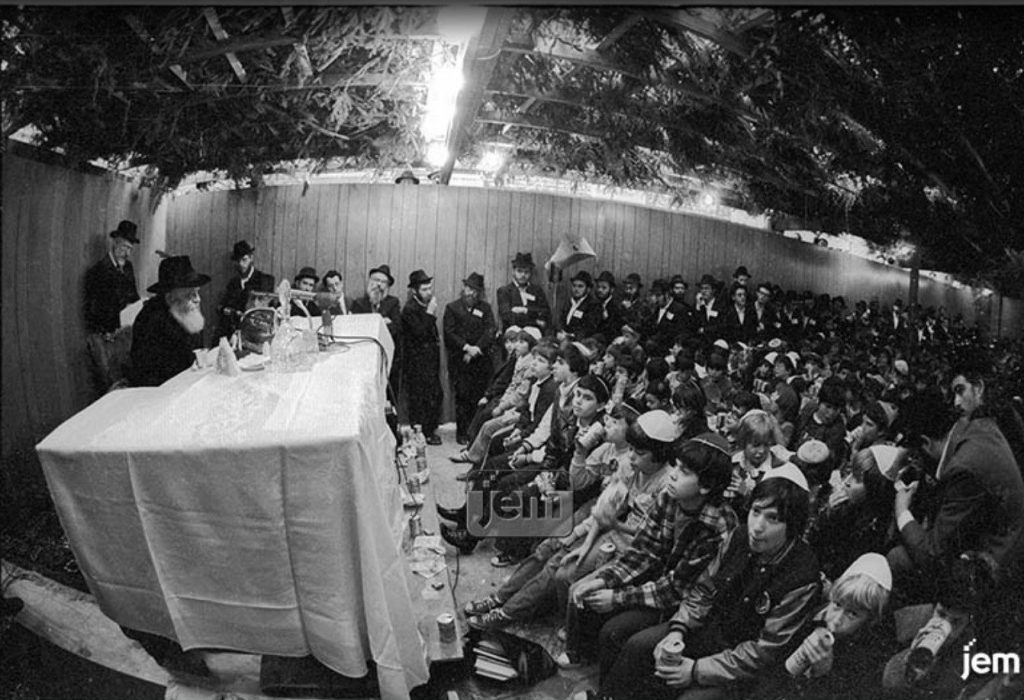
The floor of the sukka was also made of wood which supported the sukka walls. A bookshelf was placed on the western wall which had a pushka on it too. In the northwestern corner was a faucet and sink.
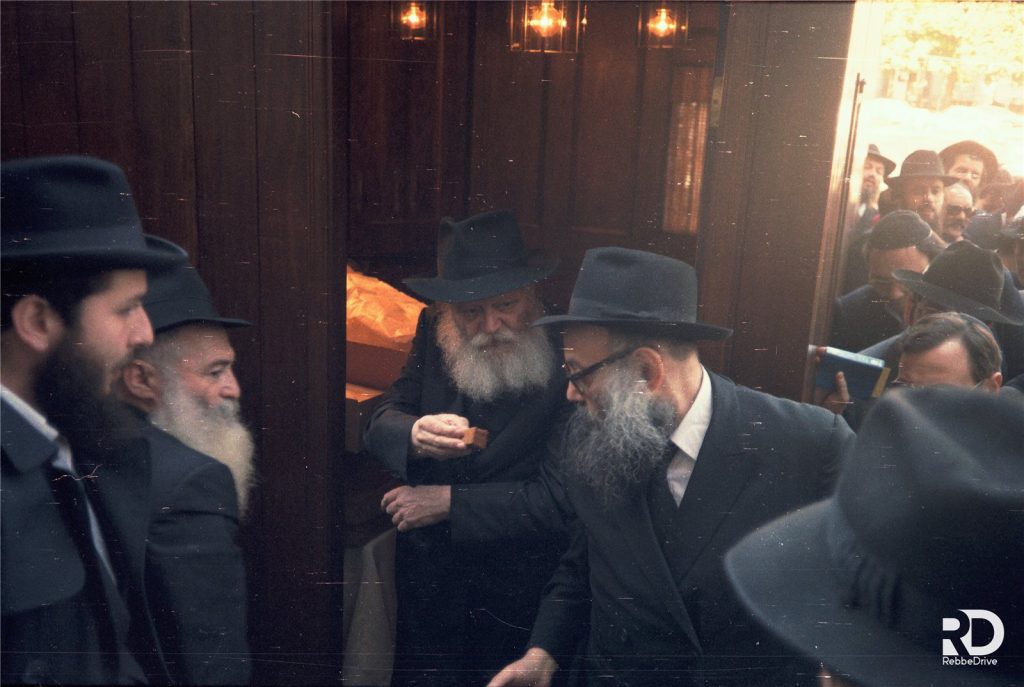
Between Yom Kippur and Succos 5736, tamim Yosef Yitzchok Brod brought the sukka components from where it was made. A few hours later, the sukka was complete, a sukka fit for a king. They tensely waited for the Rebbe and his reaction.
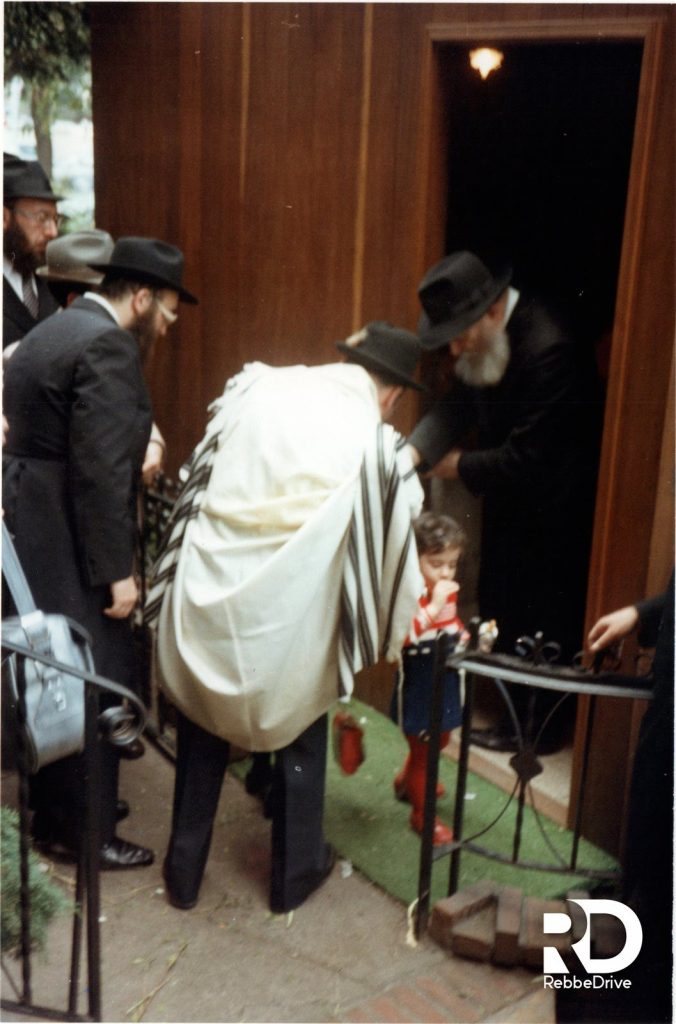
It is hard to describe the feeling of relief that the tmimim organizers felt when the Rebbe entered the new sukka for the first time. At first, they were afraid that the Rebbe wouldn’t agree to have such a magnificent sukka but they so wanted the Rebbe to enter the sukka and agree to use it despite the beauty that was so foreign to him. And behold, the Rebbe used the sukka.
RIt poured on Sukkos 5737, from the beginning of Yom Tov until Shemini Atzeres, without a break. The water weighed down the sukka and the walls began to sink into the mud caused by the rain.
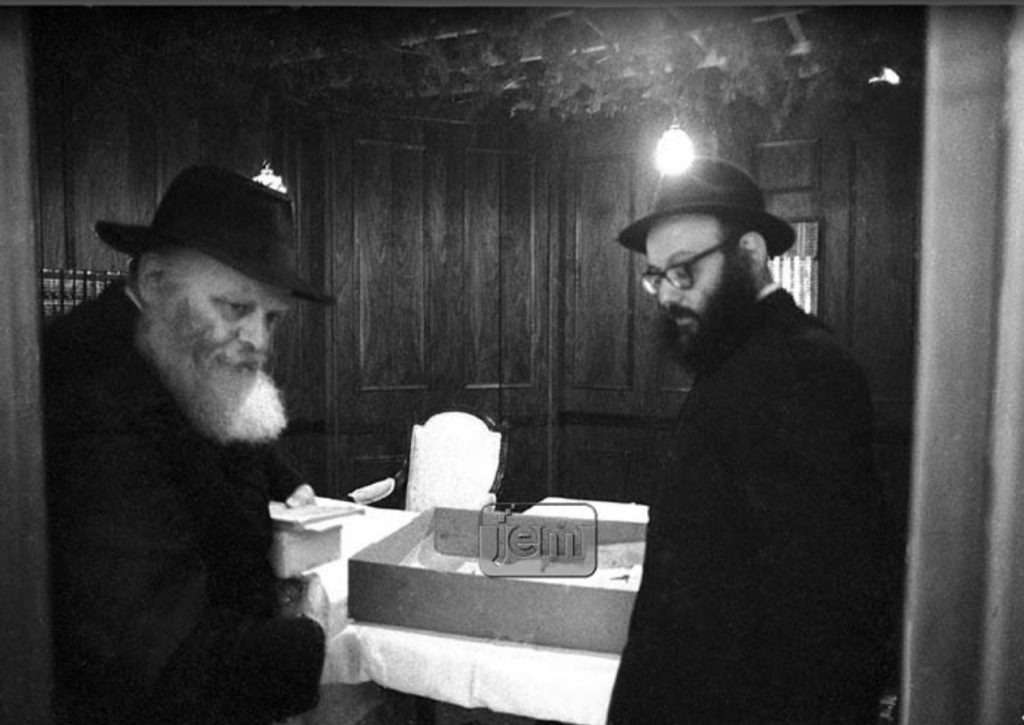
One day, the Rebbe went into the sukka and after a while, Rabbi Meir Harlig realized that the Rebbe was turning the doorknob in the attempt to open the door but the door had sunk into the mud and did not open. R’ Harlig had to fight with the door to get it open.
A year later, the area was paved and the sukka was built on it.
Beis Moshiach #1478 • pp. 60-63
© 2026 Beis Moshiach Magazine. All rights reserved.
This article originally appeared in Beis Moshiach #1478. You are welcome to share it with friends and family by email or in print, provided that you do not change, add to or omit any part of it, you credit the author and Beis Moshiach, and you include a link to archive.bmoshiach.org (written out in full in printed copies).
To republish this article in a newspaper, magazine, book or website, please request permission in advance at [email protected].

