One Tent Is Enough
Why the Alter Rebbe wrote “tents” in the plural, and what it means for someone who has not learned much Chassidus

ה׳ חשון תשפ״ז·October 16, 2026

Why the Alter Rebbe wrote “tents” in the plural, and what it means for someone who has not learned much Chassidus

The Rebbe’s response to a couple who reported their intention to fund the building of a new mikva.

Three hours before Shabbos, he stood at the bedside of a man who hadn’t spoken in days. He had no treatment to offer, so he offered two words. What happened next is the kind of thing he says he sees every day. In Brazil’s leading brain institute, Dr. Fishel Erlich treats tumors, and neshamos too.

A father tried to win back his son with everything he had — until one sentence on the street did what cash never could, and what it reveals about the Rebbe’s approach to chinuch. As heard from veteran mechanech Rabbi Nachman Yosef Twersky.
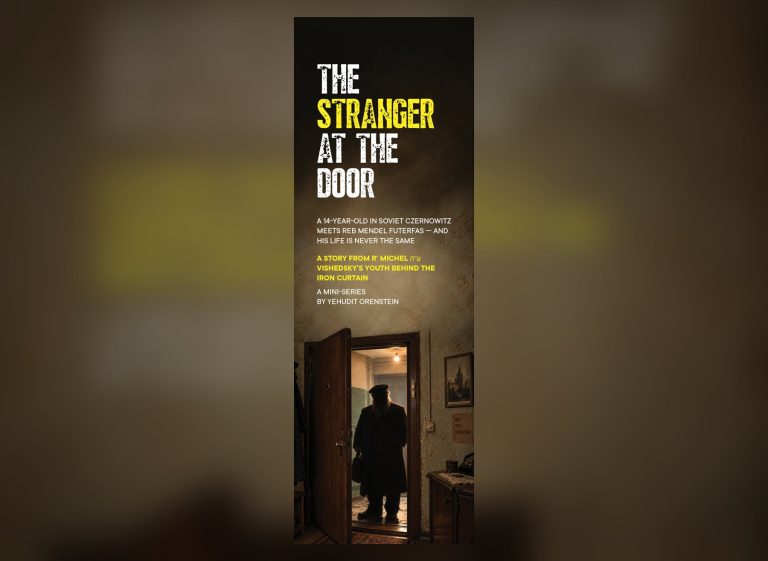
A 14-year-old in Soviet Czernowitz meets Reb Mendel Futerfas — and his life is never the same. A story from R’ Michel Vishedsky’s youth behind the Iron Curtain.

L’chaim, Chassidim! We are now in Parshas Noach 5787, the first “regular” Shabbos of the year, when we truly begin “V’Yaakov halach l’darko.” Our holy Rabbeim tell us that the way we set ourselves up on Shabbos Bereishis is the way the entire year will follow, and now is the time to carry that into our day-to-day lives.

A Chassid of the seventh generation who wants to fulfill the Rebbe’s wish and bring the besuras haGeula to everyone in the generation has plenty of options: shiurim, pamphlets, posters, signs, booklets, and sefarim. In our day, though, the most effective route of all runs through the technology at our fingertips.

In this week’s parsha, Parshas Noach, we learn that of all the sins of the generation of the Mabul, the one that sealed their fate was gezel: “for the earth is filled with chamas, theft” (Bereishis 6:13, with Rashi). In that connection, we present practical questions and answers on the halachos of gezel, drawn from AskTheRav and Halacha2Go, by Horav Yosef Yeshaya Braun, Mara D’asra and member of…

One of the well-known darshanim raised a difficulty. From the words of our Sages it is explained regarding our parsha that G-d asked Noach to build the ark divided into three levels: the first level, for waste; the second level, for the animals, the top level, living quarters for him and his family.

Dvar Malchus is a weekly publication of the sichos of the Rebbe MH”M from 5751-5752 that give a clear prophecy of the revelation of Moshiach. It’s like an engine activating us to rise above the concealments of galus—and live in the illumination of Geula.
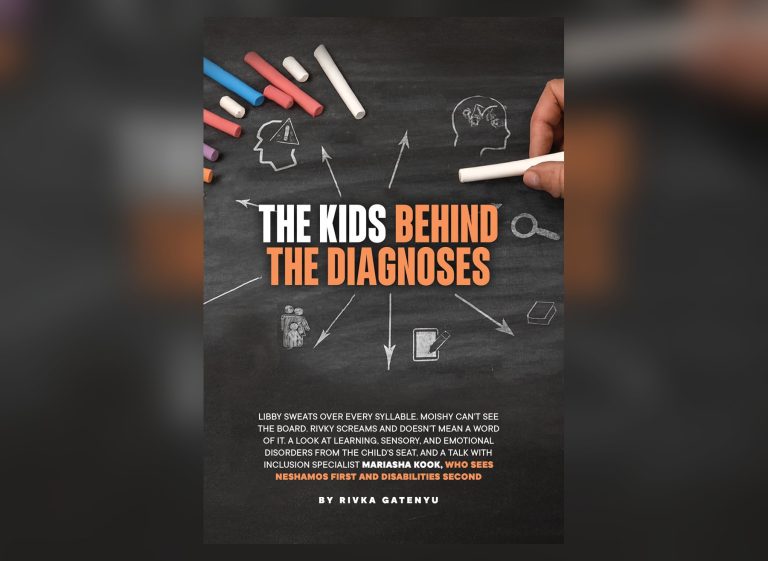
Libby sweats over every syllable. Moishy can’t see the board. Rivky screams and doesn’t mean a word of it. A look at learning, sensory, and emotional disorders from the child’s seat, and a talk with inclusion specialist Mariasha Kook, who sees neshamos first and disabilities second.
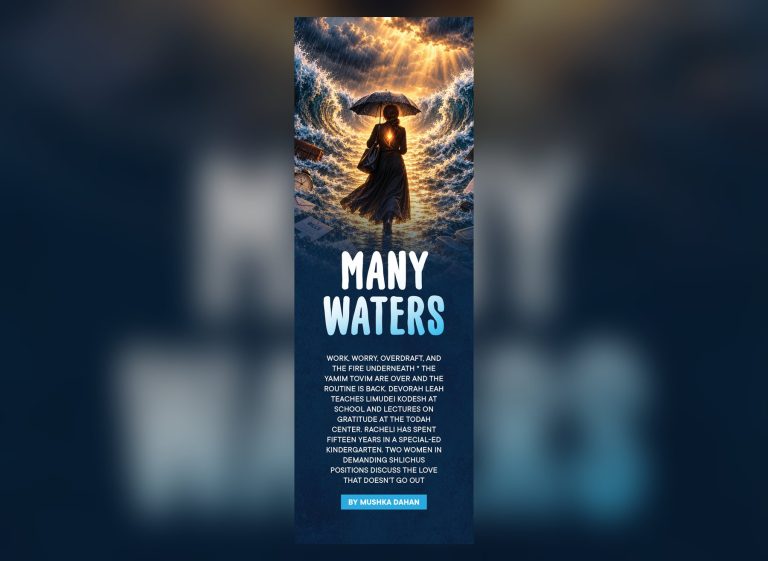
Work, worry, overdraft, and the fire underneath. The Yamim Tovim are over and the routine is back. Devorah Leah teaches limudei kodesh at school and lectures on gratitude at the Todah Center. Racheli has spent fifteen years in a special-ed kindergarten. Two women in demanding shlichus positions discuss the love that doesn’t go out.

Breakfast, carpool, dishes, work. Where exactly does davening fit?

Recap: Our story takes place in the kingdom of Yehuda during the reign of Yoshiyahu HaMelech. Yehosheva was sold as a handmaiden to pay her father’s debts after his business partner Pinchas vanished with all their capital. Yehosheva and Zilpah discuss the nature of unconditional love and the unique qualities of the Jewish People. Athena overheard their conversation and left in tears. The mistress…

Recap: Tzadok is freed from prison after a few days and returns home, to his son Zecharya’s delight. Zecharya’s friends apologize to him for suspecting his father and his social standing in class is restored. Zecharya leaves for yeshiva and notices that his father is still sleeping which was unusual.

It was an evening in Adar 5762 (2002), in Atzmona, a small Jewish community in Gush Katif, in the Azah (Gaza) part of Eretz Yisrael.
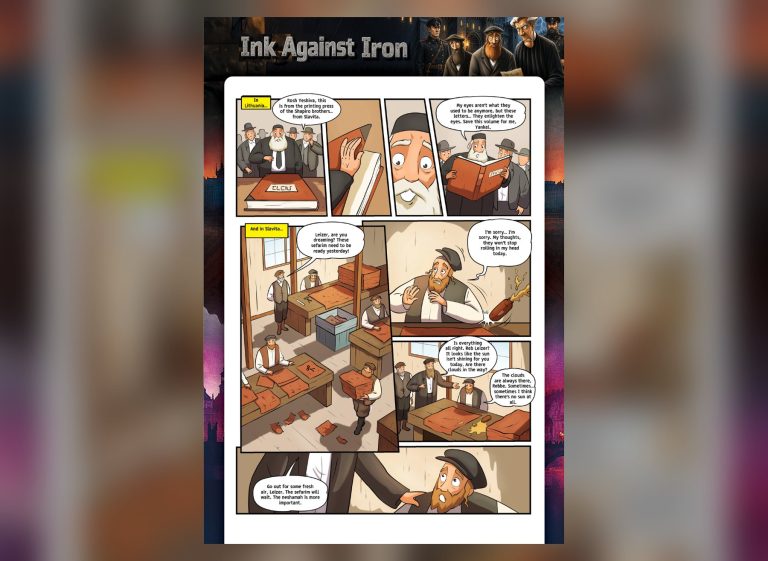
Chapter 9 of the Ink Against Iron comic.