Reb Levik’s Right Hand Man & Prison Mate
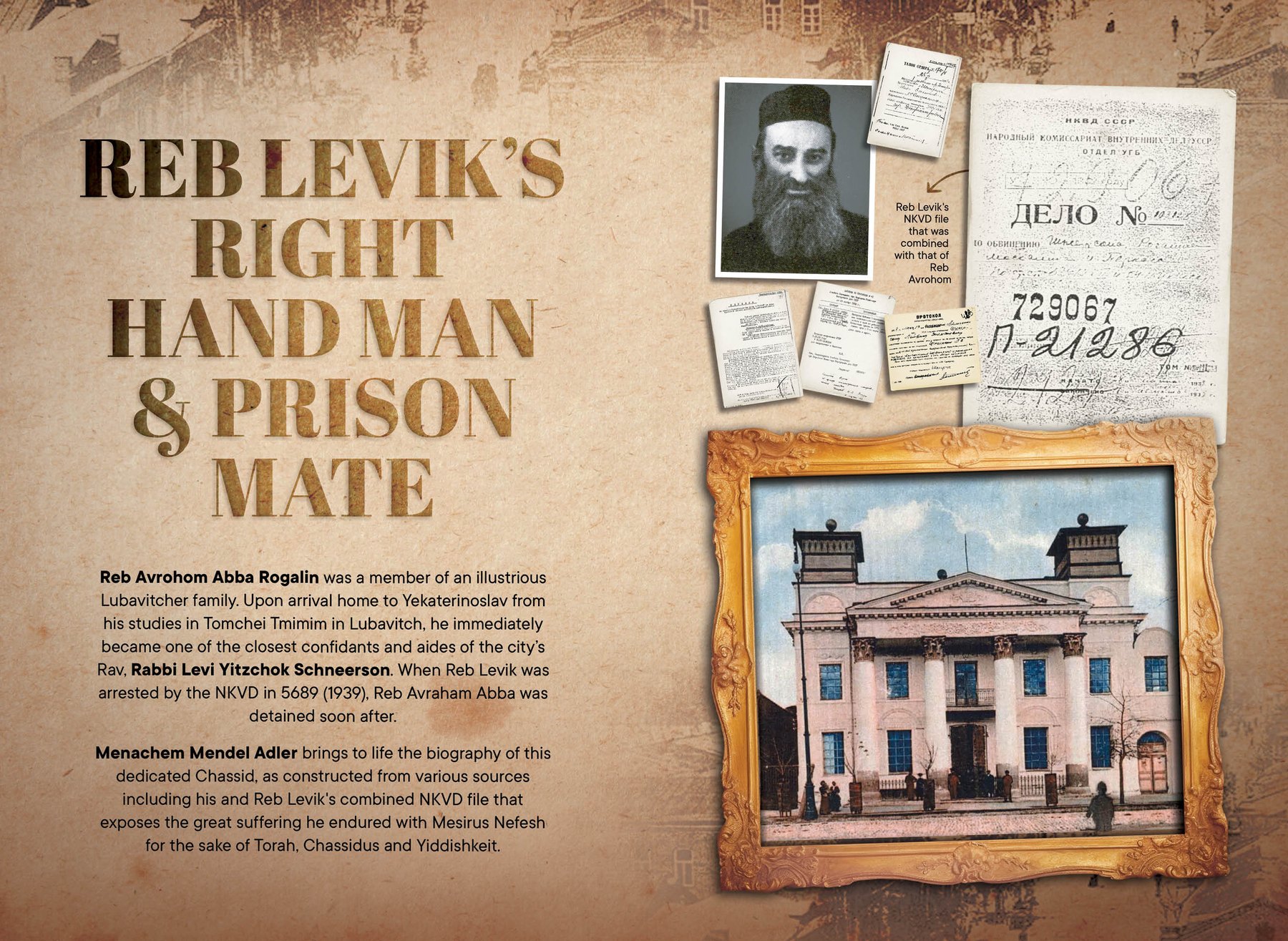
Reb Avrohom Abba Rogalin was a member of an illustrious Lubavitcher family. Upon arrival home to Yekaterinoslav from his studies in Tomchei Tmimim in Lubavitch, he immediately became one of the closest confidants and aides of the city’s Rav, Rabbi Levi Yitzchok Schneerson. When Reb Levik was arrested by the NKVD in 5689 (1939), Reb Avraham Abba was detained soon after. Menachem Mendel Adler brings to life the biography of this dedicated Chassid, as constructed from various sources including his and Reb Levik’s combined NKVD file that exposes the great suffering he endured with Mesirus Nefesh for the sake of Torah, Chassidus and Yiddishkeit
R’ Avrohom Abba Rogalin was born in 5644 in Orsha. Orsha wasn’t far from Lubavitch and many Chassidim lived there.
His father, R’ Menachem Shmuel, who was a Chassid of the Rebbe Maharash, was also born there, a grandchild of the great Chassidim of the Tzemach Tzedek. After the appointment of the Rebbe Rashab, he was mekasher to him and he often went to bask in his presence in Lubavitch.
R’ Menachem Shmuel had a business making raisin wine and he was considered one of the prominent balebatim in the town. He would donate money to yeshivas Tomchei Tmimim in Lubavitch and his name is mentioned several times in the periodical HaAch.
R’ Avrohom Abba learned in cheder in Orsha with great diligence. Then he went on to Tomchei Tmimim in Lubavitch where he toiled in Torah and avoda. In Lubavitch, he learned shechita and safrus. In addition, from a young age he was a baal tefilla and baal korei.
While he learned in Tomchei Tmimim, his family moved to Yekaterinoslav which, after the revolution, was named Dnepropetrovsk. When he became of age to marry, he went to his home in Yekaterinoslav. As soon as he arrived, he connected with the great Rav and Gaon, Rabbi Levi Yitzchok Schneerson, father of the Rebbe and became one of his close assistants.
After he married, R’ Levi Yitzchok advised him to work in shechita. R’Avrohom became one of the shochtim in the community and in the evening, he gave shiurim in the shuls throughout the city. On Shabbos, he would walk long distances to shuls to review maamarei Chassidus.
Chadarim And Yeshivos Under The Nose Of The Nkvd
After the communists rose to power and the Yevsektzia began systematically eliminating religious institutions, R’ Avrohom joined the Chassidic underground started by the Rebbe Rayatz to maintain Yiddishkeit. R’ Levi Yitzchok was responsible for activities in Ukraine and R’ Avrohom was one of the main activists who helped him.
A branch of Tomchei Tmimim was founded in 5689 in Dnepropetrovsk. The first students to learn there were refugees from yeshivos in Charkov and Nevel which had been shut down that year. The rosh yeshiva was R’ Dovber Garfinkel and R’ Mendel Futerfas was one of the mashgichim.
R’ Avrohom was the one who took care of the yeshiva’s material needs, and he did so with self-sacrifice. In general, he was very active in chinuch throughout that period. Likewise, at that same time, he started a secret cheder that continued to exist even after the yeshiva was closed. One of the melamdim who secretly taught the children was his father, R’ Menachem Shmuel.
Yisroel Adamsky was one of the children who learned in the cheder run by R’ Avrohom, and he said, “They [the communists] forbade any display of Yiddishkeit. We couldn’t gather, for they suspected we were learning. What did we do? Farbreng… I even remember the name of the street, 55 Pushkinskaya Street, in the courtyard of the shochet, Rogalin. We would bring mashke there and sing and dance. Outwardly, our cover was that we came to sing and dance.
“Learning was completely forbidden in those days. Three times a week, eleven children came to learn Torah. There were other underground groups like this.
“We would go to the place in the morning, no later than eight, while the policemen were still sleeping. We stayed there until twelve and learned the entire time. R’ Levi Yitzchok would also come and teach us.”
About forty bachurim learned in yeshiva and because of the great danger, they would learn in a different shul each time, so as not to be discovered.
In a postcard that R’ Avrohom sent to Rabbi Yisroel Jacobson on 15 Av 5789, he described what he went through in those years and his terrible financial situation. He asked R’ Yisroel to arrange papers for him so he could leave Russia. In addition, he wrote in somewhat coded language, “For expenses, I have nothing. My situation has deteriorated to rock bottom and I need someone to help and stand me upright. Mr. Yechezkel Feigin knows of my holy work from afar, and even now in this year that the tut [code for Tomchei Tmimim] is here, I am the wheel that turns. More than half is on me and my shoulders, which I bear on a daily basis. Ask our friends from here and they will tell you the truth about me. Also the tat [code for Talmud Torah] is only me and nobody else, since the will of k”k [the Rebbe Rayatz] is holy to me… Therefore, my request is presented before all of those who toil in faith to help as much as they can, for me and my children as well as the tut because the constraint is great.”
The yeshiva was closed in 5691 and the students dispersed to branches in other cities, and then too, R’ Avrohom continued to secretly maintain chadarim. In the summer of 5693, he wrote to the Rebbe Rayatz, “I do not forget even one day to help your sons here, with my body and with my feet, more than my strength allows as you know already, and I haven’t changed now.”
In the middle of the 1930s, the central shul, called “Hamakhela,” was closed and the administration of the community along with the place of appointment of the rav moved to the Ashkenazi shul where R’ Avrohom continued to maintain the cheder. At that time, R’ Avrohom began collecting money to maintain the cheder and the poor Jews of the city.
Arrest
R’ Levi Yitzchok was arrrested the night of 9 Nissan 5689. The cursed interrogators tried in every cruel way to incriminate him and they took advantage of the close connection between the heads of the community and R’ Levi Yitzchok and arrested them too.
R’ Avrohom was arrested on 25 Iyar, along with two other people among the leaders of the community, R’ Shlomo Moskolik and R’ Dovid Farkas. They wanted to use them as “incriminating testimony” against R’ Levi Yitzchok. During their arrest, many documents were confiscated from them to be used, supposedly, as incriminating evidence. In the interrogation file it said, “At Rogalin, daily diaries were confiscated in the Yiddish language that detail when and how he raised money.”
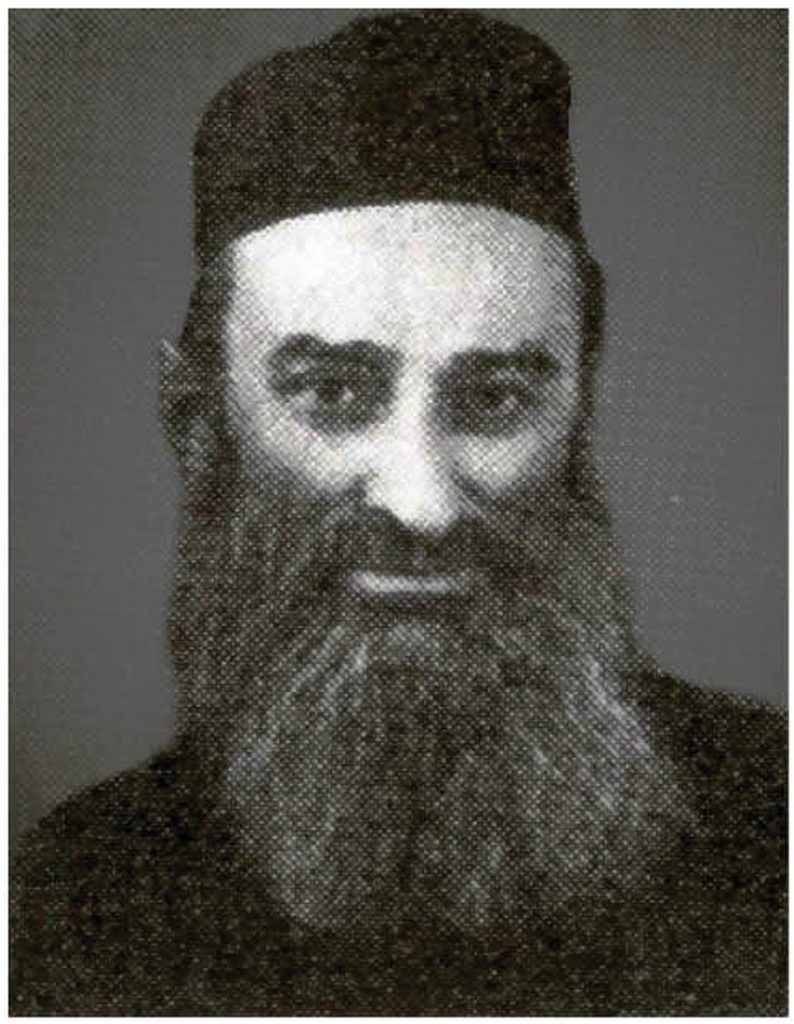
We learn of the close connection between R’ Levi Yitzchok and R’ Avrohom from, among other things, one of the charges filed against R’ Avrohom that appears in his interrogation file:
“After the arrest of Rabbi Schneerson, he raised money in order to support Schneerson’s family and his wife’s trips to Kiev to try and get him released…”
R’ Avrohom underwent interrogations and terrible torture until he was forced to sign on things that he never said regarding R’ Levi Yitzchok.
However, it’s important to cite what Rebbetzin Chana wrote in her diary, “In order to clarify the issue properly, they brought my husband and the witnesses to a joint interrogation, face to face, and as soon as they saw him, the shamash and one of the shochtim who was also sitting there, declared that their testimony wasn’t true and that they signed it only because they had been forced to do so.”
Even from a superficial reading of the interrogation files of R’ Avrohom, one can easily see how at how the beginning of the interrogations he denied all the charges that the interrogators tried to pin on R’ Levi Yitzchok, but as the interrogations went on, the style of speaking changed and he answered under duress in the affirmative to everything the interrogators wanted to hear.
His interrogations went on for many, terrible hours. One of them started at eight at night and ended at four in the morning, eight hours!
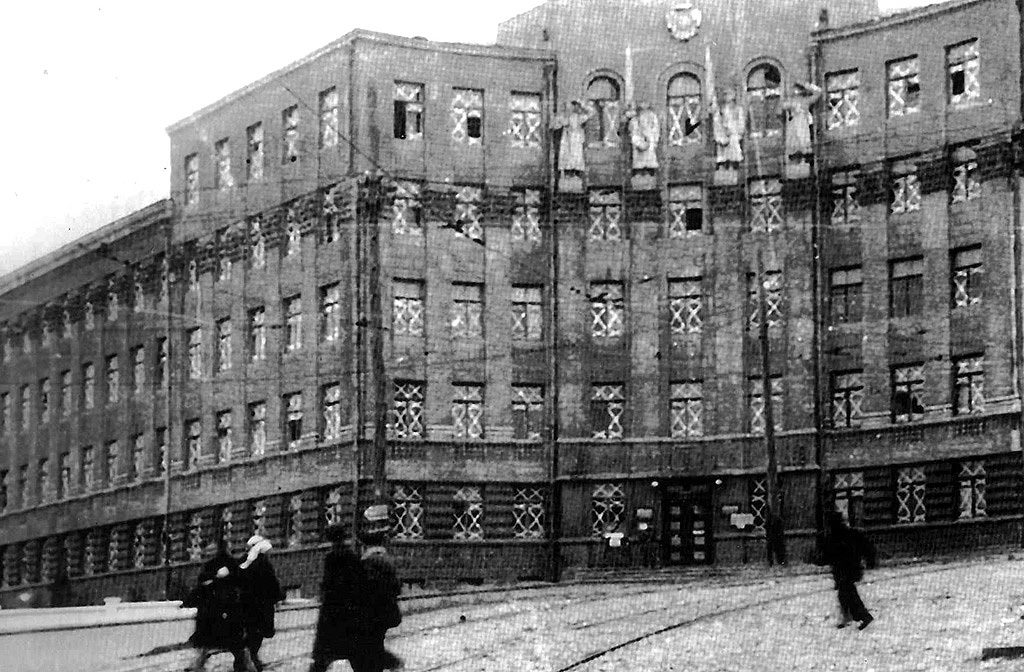
In the first interrogations, R’ Avrohom’s answers were amazingly identical to R’ Levi Yitzchok’s answers: At gatherings at the Rav’s house they only spoke about the holidays and nothing was said against the government. Rabbi Schneerson assigned him no tasks and definitely not raising money for illegal uses. However, as the interrogations went on, as did the suffering, the interrogators forced into his mouth what they wanted him to say.
One of the methods of the interrogators was having the prisoners face to face with R’ Levi Yitzchok. At one of these interrogations, R’ Avrohom said that R’ Levi Yitzchok told him to raise money for the Jewish poor of the city but in the report that the NKVD wrote, it said, “The desired testimony was not received. Rogalin agreed that ‘Schneerson directed all the activities of the religious Jews.’ Many turned to him requesting advice but he denied all suspicions of anti-Soviet talk in the Rav’s house. Knowledge of the esteem and acclaim of Schneerson among the religious Jews was known to the NKVD even without the testimony of the interrogated.”
R’ Levi Yitzchok, in a long letter that he wrote while in exile, told about R’ Avrohom’s interrogations:
“The interrogation approach with the intimidation of witnesses by the investigator Cholkov, especially with the accused Rogalin and Moskolik, was not just. He literally terrified them and put words into the mouths of Rogalin and Moskolik and dictated to them what to say until they themselves didn’t know what they were answering ‘yes’ to and what they were talking about. Without reading their testimony, they signed without understanding what they were signing so that this is actually not their testimony but the testimony of the investigator Cholkov based on what he dreamed up.”
As R’ Levi Yitzchok wrote, they demanded of R’ Avrohom that he sign on the list of charges. R’ Avrohom in a letter from that time, describes the tremendous suffering he endured. He wrote:
“They suggested that I sign that I am a member of the religious underground organization that worked against the Soviet regime and which preached against the Soviet newspapers as spreading lies about the war in Spain and about China, and that the situation of the Jews worsened under the Soviet regime and that their situation is much better abroad and that here in the Soviet Union there are scarcities of everything, etc.”
Unbearable Torture
R’ Avrohom’s refusal to sign on the accusations led to a series of cruel tortures that went on for ten weeks. He was forced to be on his knees for days and nights in the interrogator’s room. They prevented him from sleeping and withheld food and drink, prevented him from relieving himself, broke bottles on his head, burned his beard with a lit candle, threw him in a cell with violent criminals who tormented him in the worst ways, per the orders of the interrogator. The interrogator demanded of his ‘employees’ that they “remove his neshama, break his ribs,” to keep torturing him until he signed.
R’ Avrohom was tortured until his strength gave out and then he was forced to sign. As he wrote in the letter above, “In the condition I was in, I was not in control of myself and was forced, in August 1939, to sign on all the material the interrogators had prepared. Only then, did the torments stop and at the end of November 1939 although I signed to carrying out serious crimes against the country, I was sentenced to a punishment.”
Later on, R’ Avrohom recalled that he was tortured until he lost all self-control and when he signed, his hand shook and he asked, “I don’t understand what happened to me, why all this? Who needs this? For what?…”
In the summary of the file that was presented before he was sentenced it said, “During the interrogation it was established that the accused, Schneerson L, Rogalin, A, Moskolik, S, Farkas, D, were members of the Jewish clerical anti-Soviet underground, took active part in secret meetings that were held in Schneerson’s apartment – the main accused in this file – were involved in raising money among people on behalf of families of prisoners, participated in operating illegal funds, and were involved in anti-Soviet propaganda during their illegal gatherings, against the government in the Soviet Union, and besmirched the government. Likewise, they maintained close contact with the radical community abroad with the aid of their chief leader, Schneerson, and this is how they carried out crimes.”
Exile And Compromise
After being held for a number of months in prison in Dnepropetrovsk, he was sent, like R’ Levi Yitzchok, to five years of exile in the deserts of Kazakhstan.
Two years later, R’ Avrohom sent an appeal to the sentence to the Interior Minister of Russia. The letter never reached the minister but immediately upon its arrival was attached to his personal file and denied. At the end of the letter, R’ Avrohom wrote, “Everything they forced me to sign was all absolute lies, a libel. I was never a member of any organization, I had no hatred for the Soviet government. I am already old, 61, and my health has deteriorated. I am alone. I am in terrible condition, both materially and emotionally, lacking every human need, in the mud, starving.
“Why should I suffer this injustice that cries out? Please take steps to restore my innocence.”
R’ Avrohom’s son, Shneur Zalman, also wrote to the Interior Minister and in his letter he laid out the suffering his father endured:
“First of all, and I say this openly and with full responsibility, I am not the son of an enemy of the people. My father is an upstanding Soviet citizen who never besmirched his conscience. He worked as a slaughterer but had no connection to religious zealotry. He was primarily a family man, and was happy that he got out of poverty, and we, his children, were guided by him to the right direction in life, to live with integrity as loyal citizens.
“ …The interrogation regarding my father was led by former interrogator Cholkov… This despicable individual succeeded, after hellish protracted torture to force a helpless old man, tortured to the nth degree, who lost all strength and will, to sign on this terrible libel.
“That is how I became the son of an enemy of the people. My father was exiled by order of the Soviet court for five years in Kazakhstan and he is there for two years already.
“…Honored minister, please help me. All I’m asking is to reexamine my father’s file – he is innocent of any crime.”
Obviously, this letter also never reached the Interior Minister and was filed away in R’ Avrohom’s file.
During R’ Avrohom’s exile in Kazakhstan, the Nazis conquered Dnepropetrovsk and on Simchas Torah 5702 they murdered all the Jews. By being exiled, R’ Avrohom was saved from certain death.
Back To Dnepropetrovsk
At the end of his exile, in 5705, when the Soviets had already reconquered the city from the Germans, R’ Avrohom returned to the city and found it utterly destroyed and empty of Jews. Slowly, Jews began to return to the city after fleeing from the Nazis and within a few months, there were thousands of Jews.
R’ Avrohom, who was broken by his exile, did not give up on his previous activities and began working with the Jews of the city. He renovated the destroyed shul and began organizing Jewish life in the city again, to the extent possible. He gathered Sifrei Torah and sifrei kodesh from the homes of Jews and the shul resumed normal functioning. He served as chazan, baal korei, gabbai and shamash, while starting to serve as shochet again.
R’ Avrohom maintained Yiddishkeit in the city and only thanks to him the Jewish spark never faded out in Dnepropetrovsk. He lived until 5735, to the age of 91, and was buried in the western cemetery of the city.
The Next Generation
His son, Shneur Zalman, emigrated to the United States and settled in Lynn, MA in 5750. In Tishrei of that year, a Lubavitcher Chassid met him in the Ahavas Shalom shul where he davened. R’ Shneur Zalman went over to him and asked him whether he was a Lubavitcher Chassid and when the person said yes, he told him about his life. When he was finished, he asked to be taken to the Rebbe for he wanted to see him.
At the end of Tishrei, R’ Zalman and his wife joined the Chassid on a trip to Brooklyn, to the Rebbe. On the way, R’ Zalman sang many niggunim that he heard from his father and from R’ Levi Yitzchok and told many things from the time he lived in the city. R’ Zalman was very excited by the trip, especially after everything he had suffered in the Soviet Union.
On Sunday, 7 Cheshvan, R’ Zalman went by the Rebbe at dollars. When he reached the Rebbe, he requested to hear some words from the Rebbe. The Rebbe said, “Yes, there should be a few words – that Hashem bless you in everything you need, and your family should know about the mesirus nefesh of the parents, and do likewise in a good manner wherever they live.”
R’ Zalman mentioned that as a child he had visited R’ Levi Yitzchok’s home and the Rebbe said, “Yes, may there be good news, great success, good news.”
“A Matter That Pertains To Me”
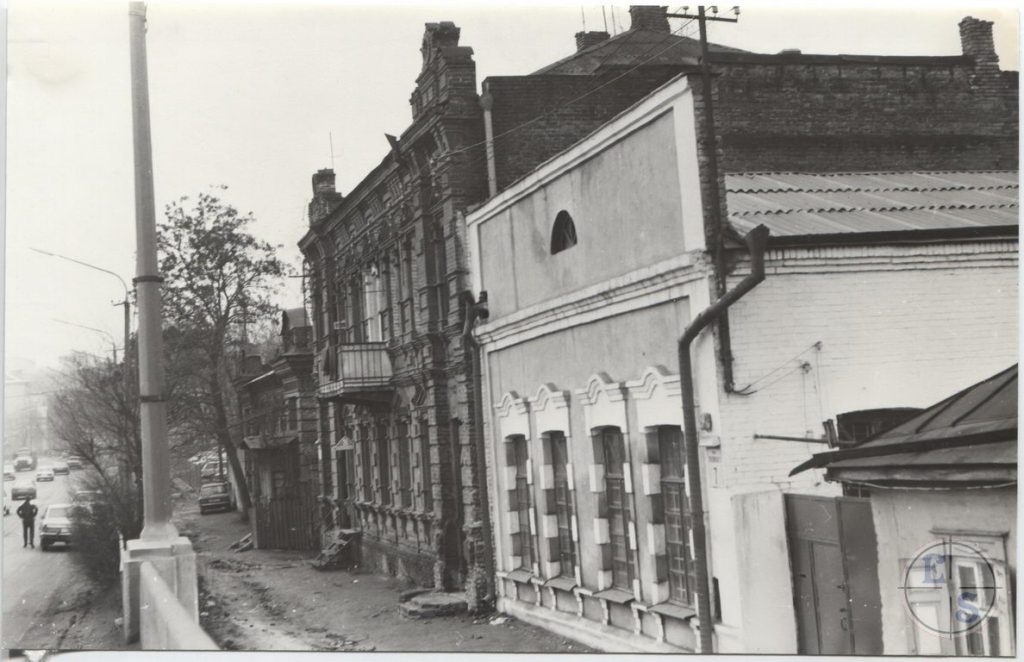
To conclude, we will quote what the Rebbe said about those who merited to help his father, R’ Levi Yitzchok:
“Since there are Jews here who merited to be together with my father and serve him etc. especially in the last years of his life, they should say ‘l’chaim’ now with joy and gladness of heart.
“May the merit of the baal ha’hilula stand by them to be blessed with all good things, they and their households and everything that belongs to them, with visible, revealed good, below ten hand-breadths.”
On another occasion, the Rebbe said, “I asked that those who merited to serve my father say ‘l’chaim’ with me since serving my father is a matter that actually pertains to me and therefore, I wanted to say ‘l’chaim’ together with them.”
Beis Moshiach #1423 • pp. 10-17
© 2026 Beis Moshiach Magazine. All rights reserved.
This article originally appeared in Beis Moshiach #1423. You are welcome to share it with friends and family by email or in print, provided that you do not change, add to or omit any part of it, you credit the author and Beis Moshiach, and you include a link to archive.bmoshiach.org (written out in full in printed copies).
To republish this article in a newspaper, magazine, book or website, please request permission in advance at [email protected].