True to the Name Devorah Leah
I’ve known Devorah Leah Shalinsky, a dedicated preschool teacher in Crown Heights, for many years. But this was the first time we ever had a deep conversation about chinuch, and it was truly an eye-opener.
Pulled in Different Directions
“My family belonged to a synagogue that was ‘traditional,’ in suburban Kansas City, where we lived,” Devorah Leah shares. “I went to Hebrew school, Sunday school, and then I was in NCSY. My Jewish identity was always strong, but it was confusing being in public school. The two different directions didn’t fit together.” She pauses, adding, “That’s the reason why I feel so strongly that children should be educated to follow one clear path.
“I come from a family that is very accomplished academically and involved in doing good. This inspired me to want to bring light, truth and goodness to the world. As part of my bachelor’s degree in journalism from Northwestern University, I did an internship with a newspaper. That’s when I witnessed all kinds of politics that prevent publicizing the truth, and was disillusioned. Then I considered becoming a social worker, and was accepted in a prestigious program.
“But my life unexpectedly took a different route… I went to Machon Alta, in Tzfas, and learned there for two years. This gave me a solid foundation in Yiddishkeit and in Chassidus.
“Afterwards I moved to Crown Heights and worked as a secretary in an elementary school. It gave me a taste of chinuch, but my goal was to have more of a direct impact on the children. By hashgacha pratis, all kinds of chinuch opportunities began coming my way, and I was receiving clear answers from the Rebbe to take them. I was a camp counselor in all different places, even as faraway as Chelyabinsk, a city in Russia.”
Lofty Concepts Taught in a Tangible Way
“For over 36 years I’ve been a preschool teacher. True to the name Devorah Leah, given at my birth, I see my mission as spreading Chassidus, specifically with small children,” she says. “Originally I’d wanted to make the world better through writing and social work, but as a teacher I realized that education is what changes the world at its core. Children form the foundation of their self-image and outlook in early childhood. Therefore the emphasis must be on teaching Torah topics, which is what the Rebbe directs us to do. Even when I introduce basic secular knowledge it’s in the context of Torah, such as using the parsha to bring out concepts like colors, shapes and numbers.”
I asked her to give an example, and her face shines as she replies, “Presently the children in my class are between two and three years old. When I taught them about snow I explained that no two snowflakes are alike. They are each beautiful and unique in their own way, reflecting that every Jew is special and precious to Hashem.
“Teaching Chassidus, and Moshiach and Geula, are my specialties. In this generation children need everything to be taught in a manner that’s exciting and will grab their attention. I put a lot of effort and creativity into bringing the lofty concepts of Chassidus down to a child’s level. For example, for Hei Teves I make a book club. Each child brings a book and gets their turn to show it to the class. They’re very proud of their books, which instills in them a love of learning and a love of Torah.
“Every day we recite the Twelve Pesukim in our classroom with movements that convey the meaning of each verse. Since October seventh, once a week we also have a real rally with Torah, referring to the Twelve Pesukim, tefilla, which is saying Tehillim, and tzedaka. Afterwards each child makes a bracha on a small treat. You should see them, they are like little soldiers, the Tzivos Hashem!”
The Rebbe’s Guidance
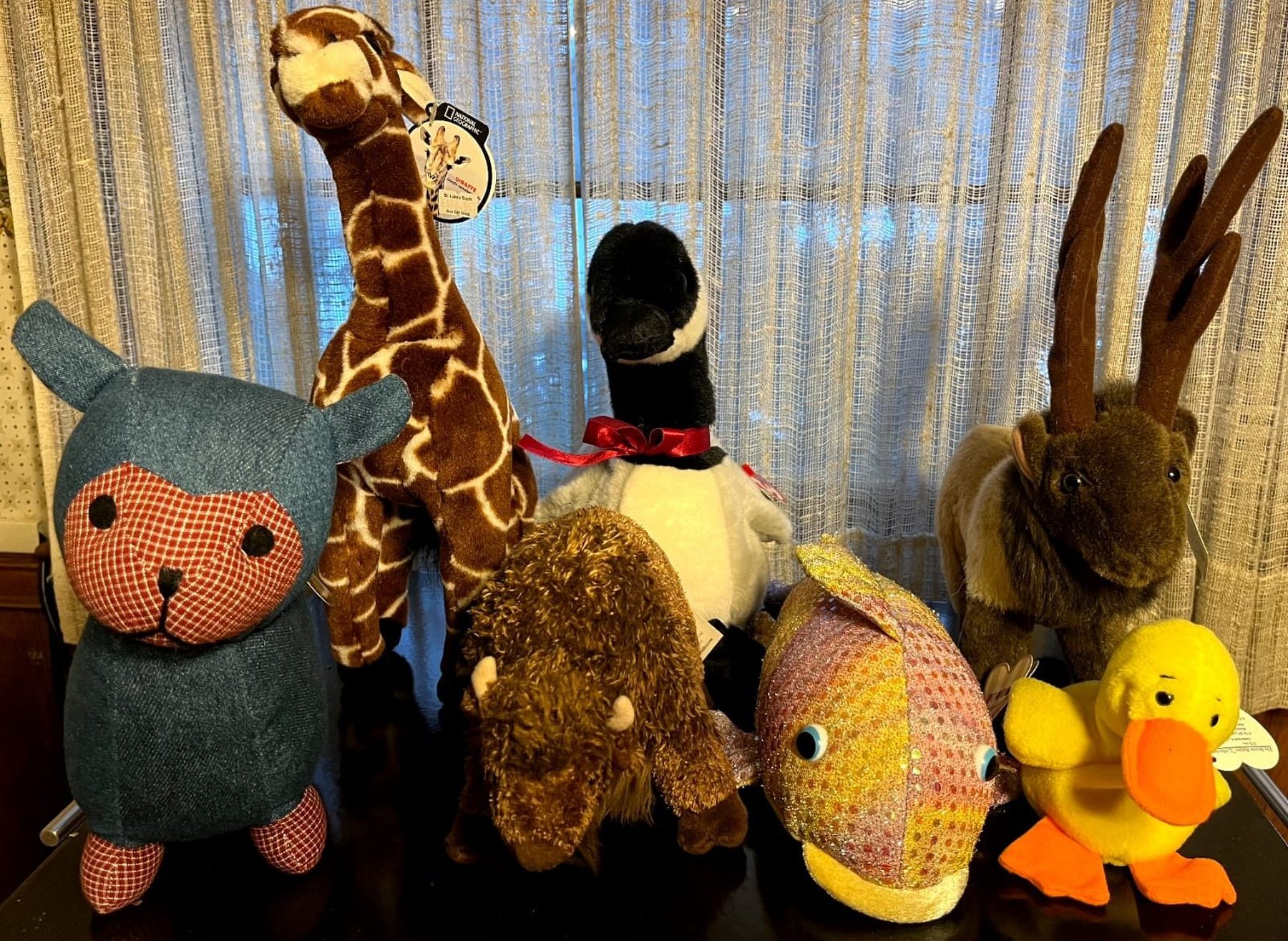
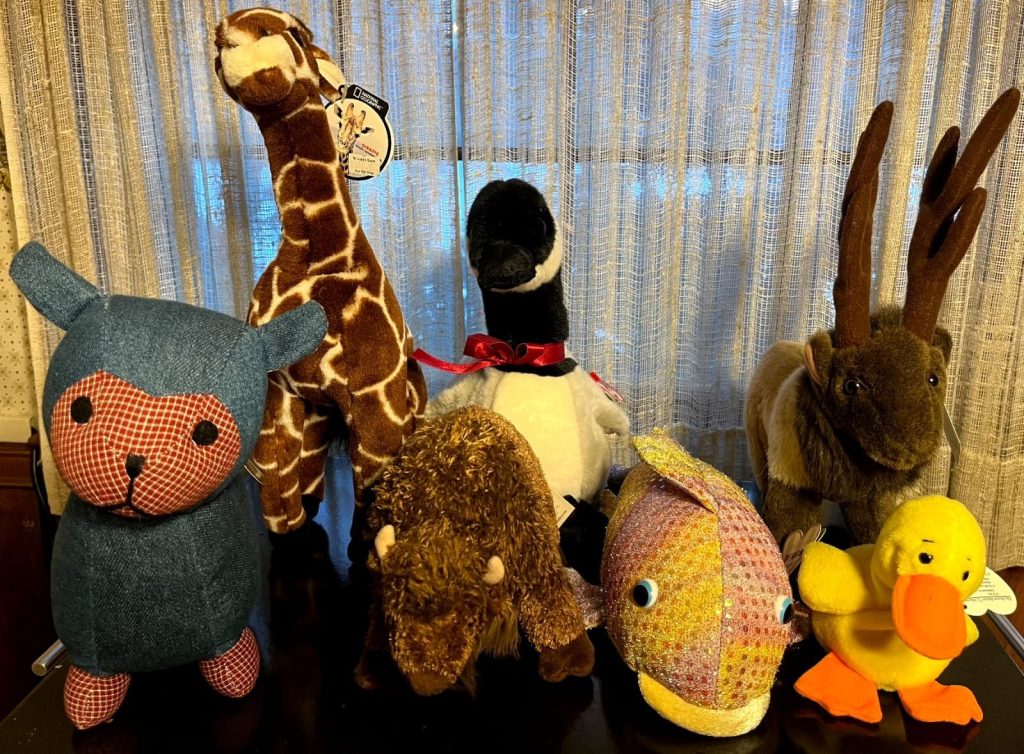
Devorah Leah continues, “Years ago I taught a girl named Devorah Leah and was concerned about her behavior. At night I dreamt that the Rebbe wrote a letter to someone named Devorah Leah with a directive to only look at kosher animals. I felt that the letter was also meant for me, telling me to surround myself with that which is holy. My mother ob”m took me shopping for kosher stuffed animals for teaching aids. She ended up having her own tremendous collection, which my family is currently donating.
“After several years of teaching I was advised that, in order to retain my position as a teacher, I should get a Master’s degree in education. On many occasions I wrote to the Rebbe about whether to do this, but asked in different ways. Every single time I received a clear answer in the Igros Kodesh not to go to college, and the response was always suited to how I’d formulated the question. For example, when I asked about attending a program specifically for Jewish women, the Rebbe replied: ‘This will not enhance your yiras shamayim, and the most important attribute for a teacher to have is yiras shamayim.’
“Additionally, regarding parnassa concerns, the Rebbe answered that even for economic reasons I should not go to college.” She adds, “Rabbi Binyonin Klein ob”m told me to publicize this, and I never had an opportunity until now.”
Nurturing the Neshama
“Every Shabbos for the last ten years, I’ve been working with a very special individual in her early twenties.” Devorah Leah shares. “Her personality and spirit shine, despite her significant challenges, and her beautiful smile and expressive eyes communicate without words.
“This experience transformed my entire approach to chinuch. The neshama is our main entity, everything else is secondary, as is explained in perek lamed-beis of the Tanya. Putting the emphasis on teaching and nurturing neshamas builds a solid foundation in our children for their future.
Devorah Leah concludes, “It’s not always easy to maintain this outlook, but the answers that I receive in the Igros Kodesh keep me inspired. The Rebbe tells me to increase my number of students, and this encourages me to keep developing my work. From learning the Rebbe’s sichos on chinuch I can see the invaluable importance of teaching children. A child’s learning must never be interrupted, even to build the Beis HaMikdash!
“May it be rebuilt speedily in our times!”
Beis Moshiach #1458 • pp. 40-41
© 2026 Beis Moshiach Magazine. All rights reserved.
This article originally appeared in Beis Moshiach #1458. You are welcome to share it with friends and family by email or in print, provided that you do not change, add to or omit any part of it, you credit the author and Beis Moshiach, and you include a link to archive.bmoshiach.org (written out in full in printed copies).
To republish this article in a newspaper, magazine, book or website, please request permission in advance at [email protected].