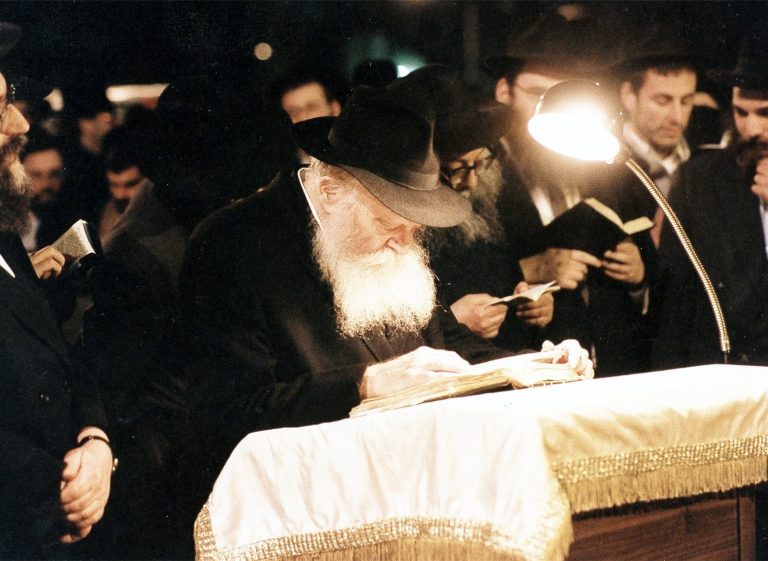
The Rebbe’s Davening Place
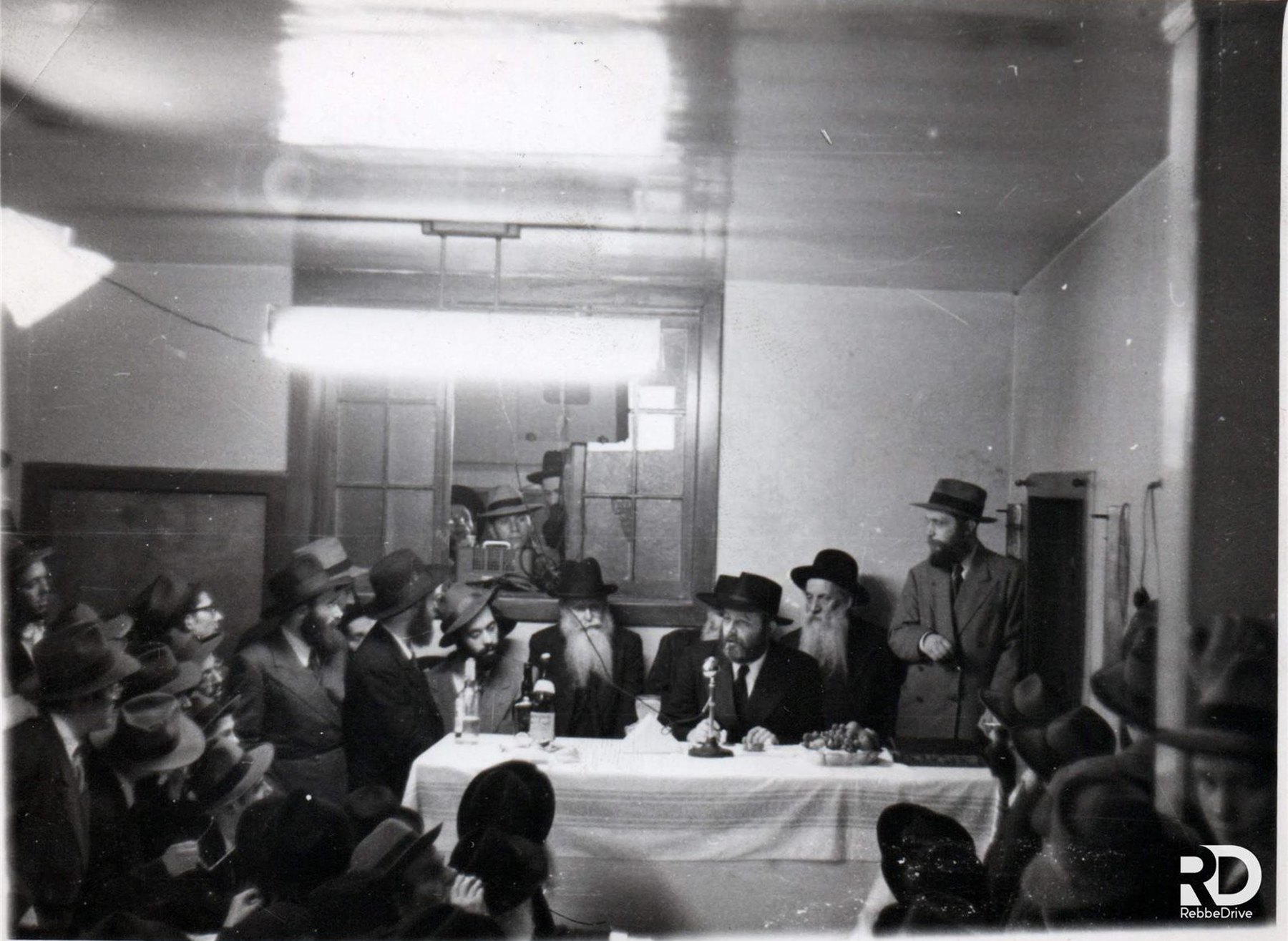
On the first floor of 770 is located the “small zal” – the first Beis Medrash that served the Rebbe Rayatz and the Rebbe Melech HaMoshiah for dozens of years (even after the “large zal” was built in the basement level). Here the Rebbe accepted the nesius openly when he said the maamar Basi L’Gani on 10 Shevat 5711 (1951).
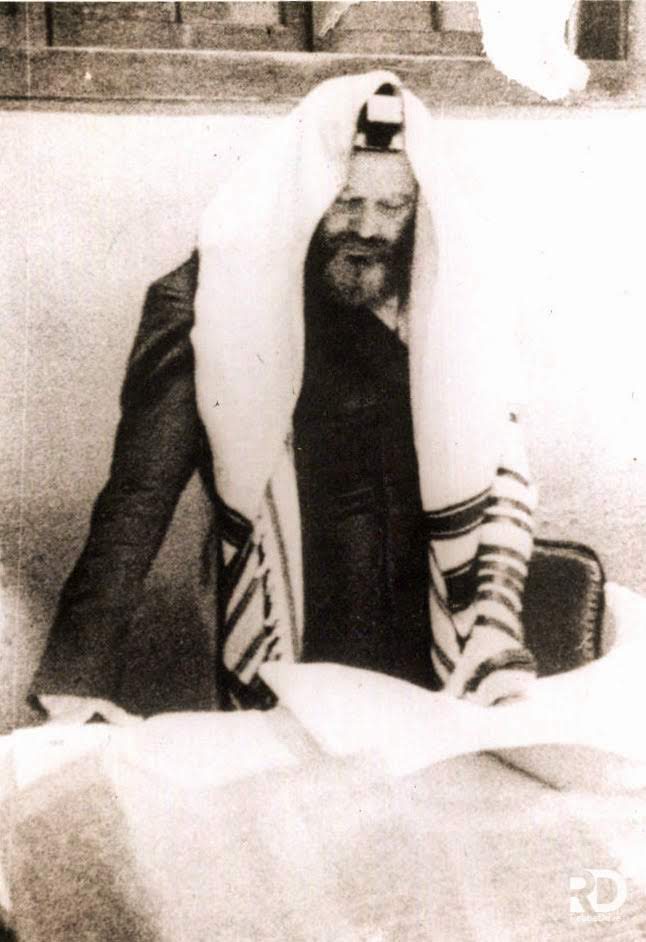
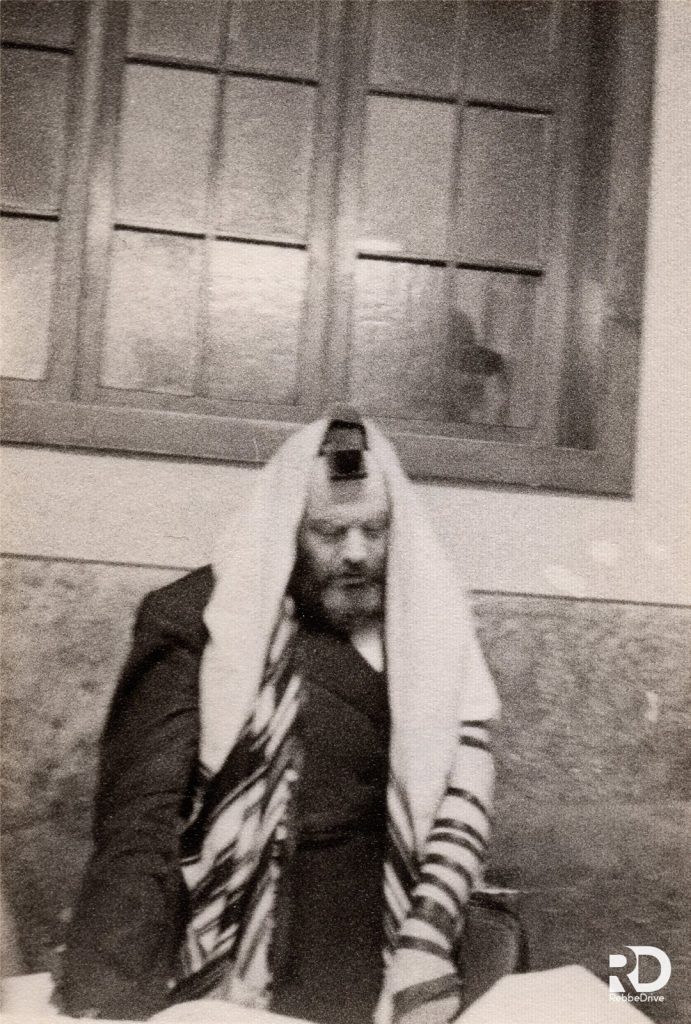
In the early years, the place served as the main shul and Beis Medrash. Here davening was conducted in the Rebbe’s presence, and here farbrengens were also held on Shabbos and Yom Tov (until they moved to the “Shalash”). The place also served as the ‘zal’ of the yeshiva.
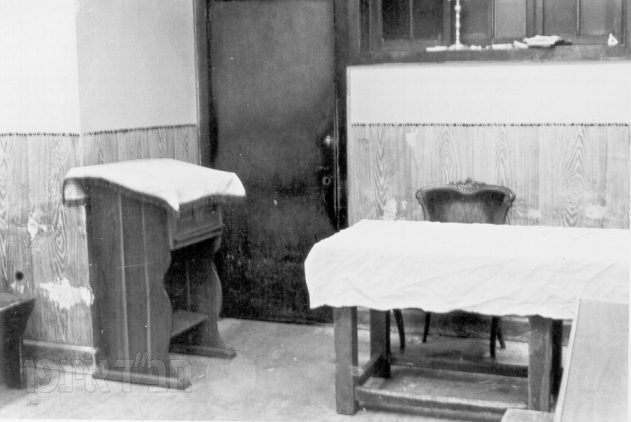
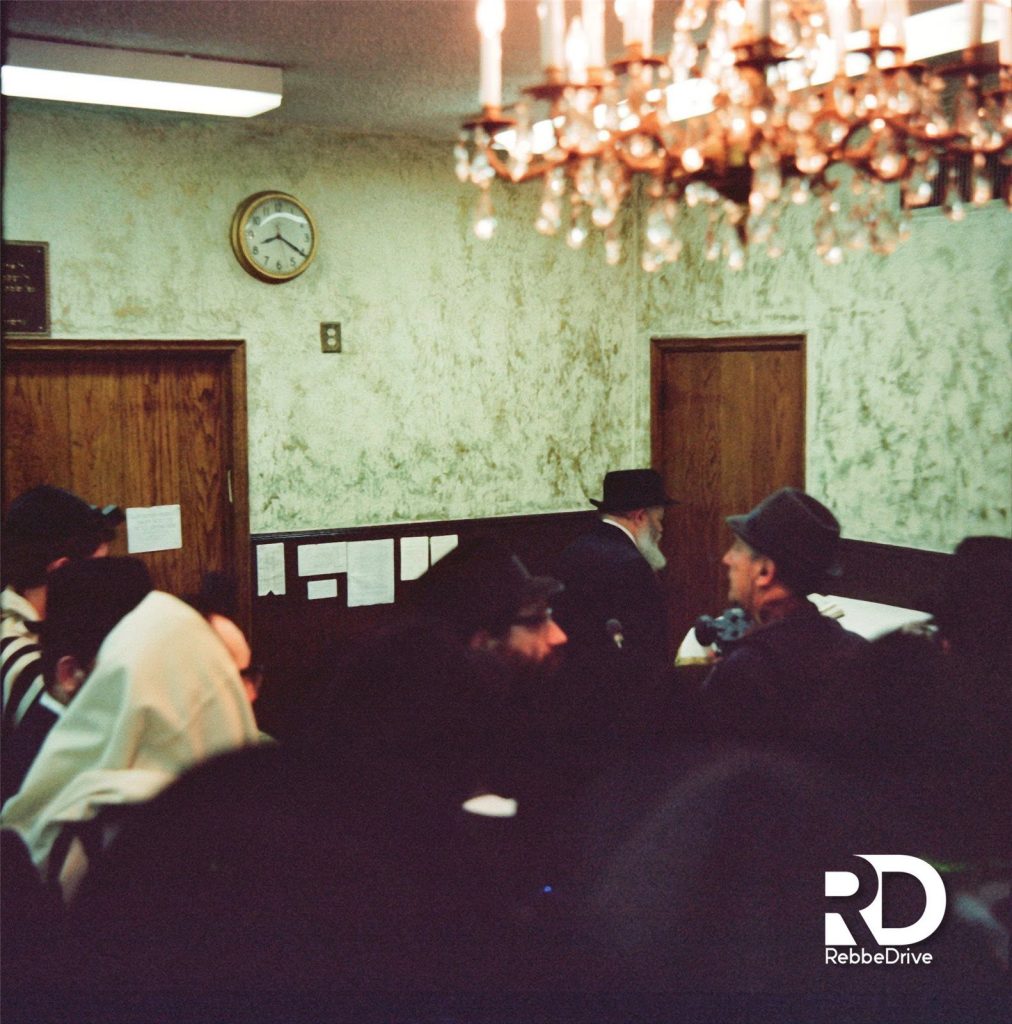
The davening place of the Rebbe Rayatz in this room was in the southeast corner, to the right of the door facing from the center of the shul to the corridor. (Incidentally, in Lubavitch, the Rebbe Rashab also sat in the southeast corner of the shul, as related in “Lubavitch V’Chayoleha”).
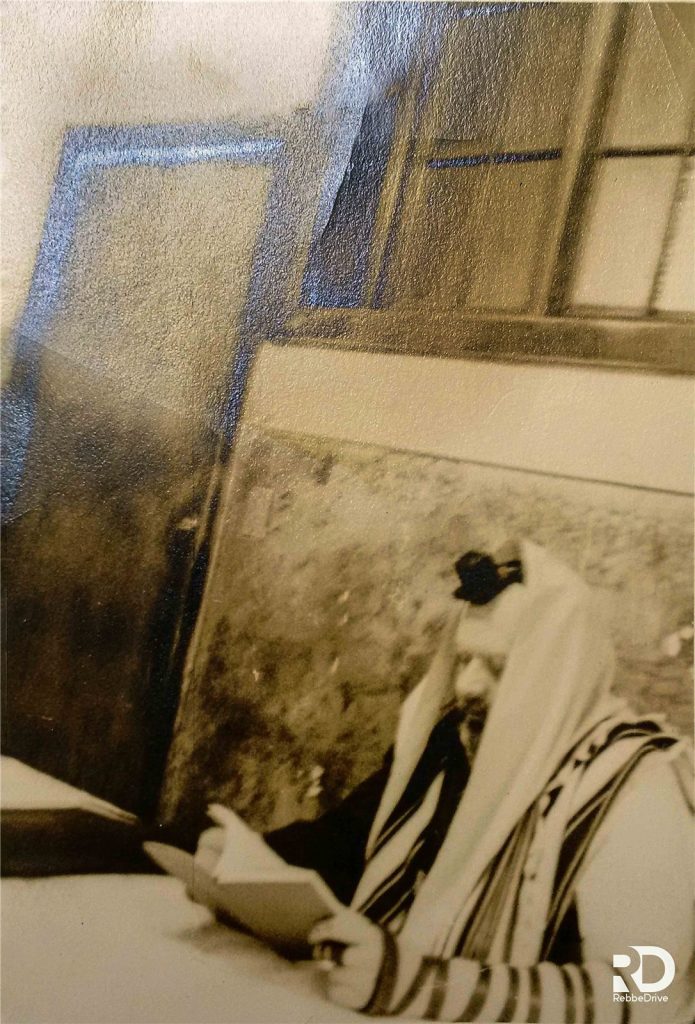
Throughout the years, the Rebbe’s place during davening in the “small zal” was in the corner of the south side, with the chair placed next to the southern wall, near the door leading to the “Cheder Sheini” The Rebbe sat on a simple bench and for the standing portions stood next to a shtender attached to the eastern wall.
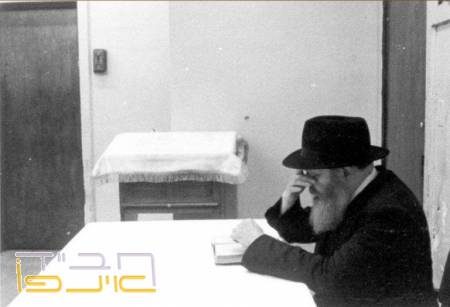
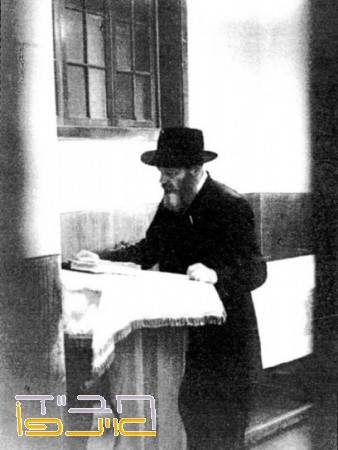
The Rebbe’s seat during davening was on the south side of the ‘zal’, with the chair placed next to the southern wall and the shtender nearby, attached to the eastern wall. During davening, the siddur was placed on the table in front of him, and before the Shemoneh Esrei davening, the Rebbe stood next to the shtender.
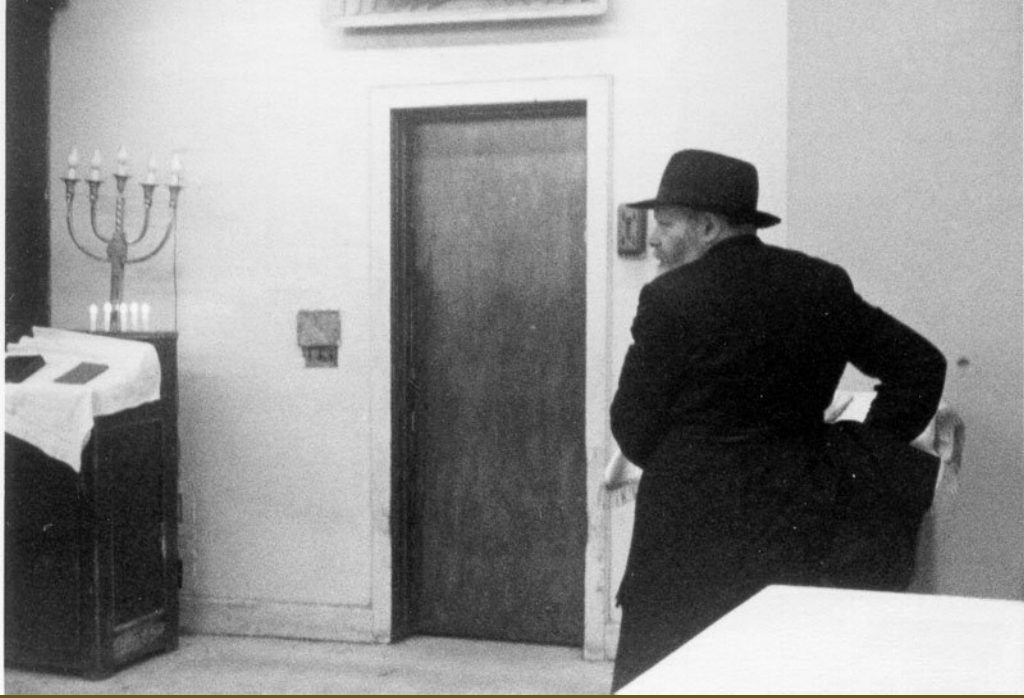
Only in later years did the Rebbe move to daven near the entrance door from the lobby, in the northeast corner. There he davened Mincha and Maariv and there he stood during Krias haTorah on Mondays and Thursdays. Only on special occasions did the Rebbe continue to daven in the southeast corner: Mincha of Erev Shabbos, Mincha of Shabbos day, and Chol HaMoed Pesach.
Beis Moshiach #1474 • pp. 34-37
© 2026 Beis Moshiach Magazine. All rights reserved.
This article originally appeared in Beis Moshiach #1474. You are welcome to share it with friends and family by email or in print, provided that you do not change, add to or omit any part of it, you credit the author and Beis Moshiach, and you include a link to archive.bmoshiach.org (written out in full in printed copies).
To republish this article in a newspaper, magazine, book or website, please request permission in advance at [email protected].