The Weight They Carry
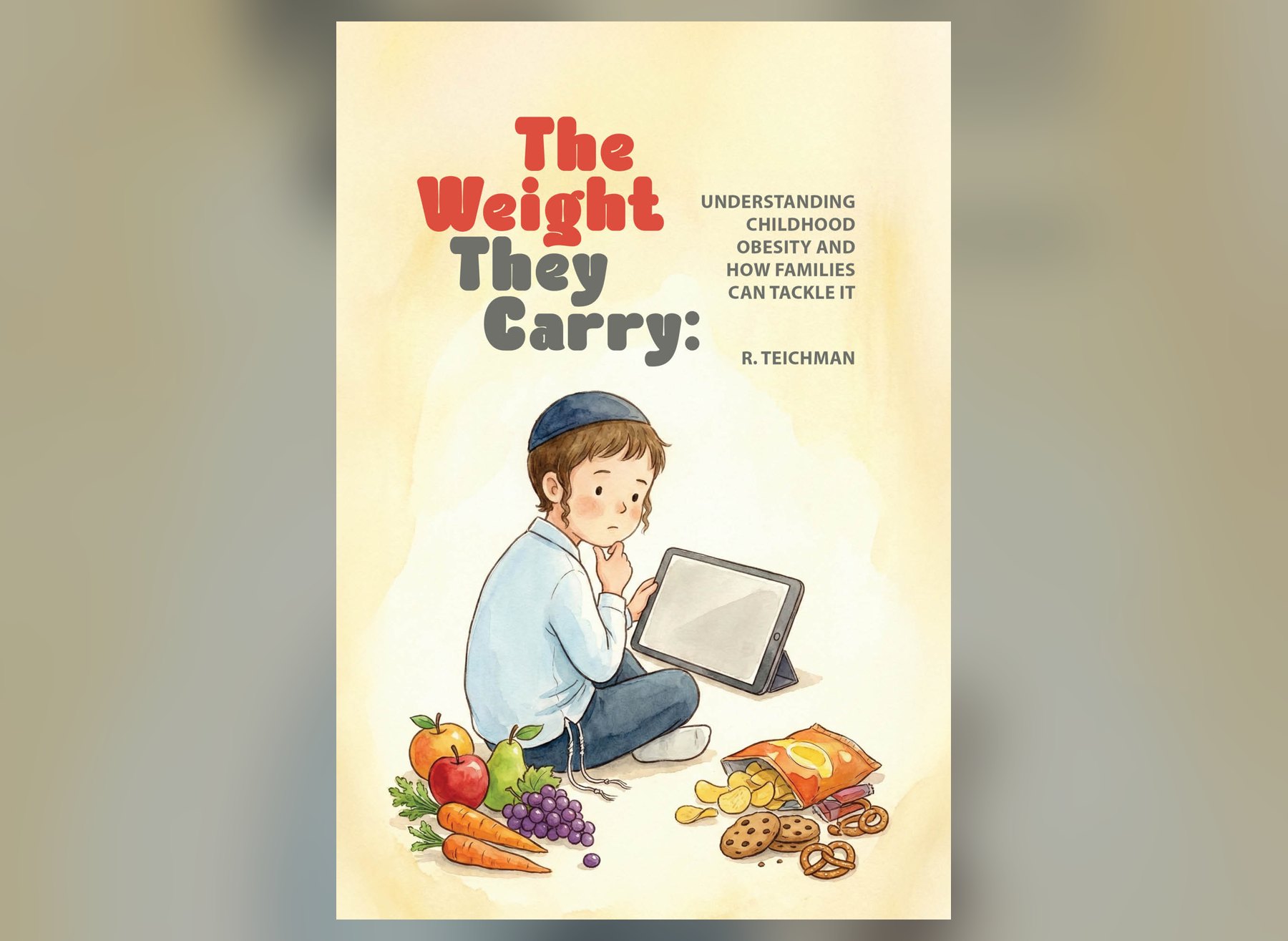
They are only four or five years old, and they are already facing a major challenge. In an era where nutritious lunch meals have been replaced by snack bags, and children spend hours in front of screens between one snack and another – childhood obesity is no longer a marginal phenomenon, but a medical reality developing to alarming proportions.
In recent years, obesity among children has become a global health problem. At first glance, it seems like a fairly simple problem, but when you delve deeper, you understand that this is a multidimensional challenge that affects the child’s physical, mental, emotional, and social health, with consequences that continue to accompany the child throughout their school years – and sometimes into adulthood.
A study by the Israeli Ministry of Health found that approximately 30% of school-age children struggle with excess weight. Regional, social, and economic disparities amplify the phenomenon. Analyzing the causes of childhood obesity allows us to understand the complexity of the problem and find ways to address it.
Let’s go back to the stage where the baby begins to taste the abundance around them. A child’s taste preferences develop somewhere when they are still young, and are greatly influenced by the environment and the style of foods to which they are exposed. When children are exposed to sweet and calorie-dense foods from a young age, it is more difficult to guide them toward healthy eating habits later on.
Genetic and metabolic components are also significant in the tendency toward obesity. Research shows that certain genes affect hunger, appetite, and calorie absorption. However, genes work in combination with the environment, so a corrected lifestyle can reduce their impact.
The school and community environment also affects our children’s health habits. For example, a lack of sports facilities, low accessibility to parks and open spaces, and above all, aggressive advertising of foods high in sugars, saturated fats, and simple carbohydrates, and their accessibility in every possible way, reinforce the obesity phenomenon.
Additionally, in the digital age, as mentioned, many children find themselves spending long hours in front of screens. This time drastically reduces physical activity, which harms metabolism, reduces calorie burning, and causes excess weight accumulation. Prolonged sitting in front of the computer to watch a movie or play games is also linked to unhealthy eating habits that directly affect weight gain.
What Kind of Parents Are You?
Research shows that there is a connection between parenting style and obesity risk: authoritative parenting, which combines clear boundaries with warmth and love, is associated with a lower risk of obesity among children. Authoritative parents tend to set clear boundaries regarding eating, encourage physical activity, and provide emotional support, all of which contribute to a healthier lifestyle.
In contrast, permissive or overly strict parenting increases the risk of problems. When there are no clear boundaries, children may consume unhealthy food without control and avoid physical activity. Meanwhile, domineering behavior and criticism can lead to emotional eating as a result of stress and anxiety.
Of course, we cannot determine with certainty that parenting is the most influential factor. Other factors, as mentioned, also have an impact. But undoubtedly, parents can positively influence their children’s health by adopting an authoritative parenting approach that combines clear boundaries with love and support, and by encouraging adherence to healthy nutrition and regular physical activity.
Long-Term Impact
The effects of childhood obesity are broad and may stay with the child throughout life.
Physically – obesity increases the risk of developing chronic diseases already at a young age, including type 2 diabetes, high blood pressure, cardiovascular diseases, respiratory problems such as asthma, and joint problems.
Mentally – research shows that obese children suffer more from low self-image, emotional difficulties, and even anxiety and depression compared to children of normal weight.
Additionally, they also suffer from social difficulties. Teasing from peers and difficulty integrating into social activities like sports games can lead to social isolation. Comments from the immediate environment will exacerbate the social and emotional difficulties.
Emotional Support for the Struggling Child
In all these cases, parental support is critical. It is important to create a supportive environment at home, and encourage physical activity, both at home and in organized activities. This will contribute to the child’s physical and emotional state, and improve their self-image and social relationships.
Eating healthy and balanced food while being careful about appropriate quantities can also contribute to the child’s overall health.
It is important to encourage the child to believe in themselves, emphasize their strengths and encourage them to participate in social activities, and also encourage them to share with adults in their environment in case of ostracism or bullying.
How Do We Treat Obesity?
Treatment of childhood obesity is a prolonged process that includes lifestyle changes for the child and the entire family. It is important to remember that treatment at a young age may prevent health and mental complications later in life.
Therapeutic approaches to childhood obesity include nutritional changes, increased physical activity, reduced screen time, behavioral and emotional changes, and sometimes (rarely) medication or surgical treatment. Treatment must be personalized for each child and their family, taking into account factors such as age, health status, and environmental factors.
Home is the foundation for healthy habits. A balanced and varied diet should be adopted at home, including fruits, vegetables, whole grains, and little sugar. It is recommended to greatly reduce consumption of processed food, and to maintain all this from a young age.
Additionally, screen time should be limited and daily physical activity encouraged, even in simple things like playing outdoors and ball games. It is important that the entire family adopt a healthy lifestyle and support the child in the weight loss process. This will make it easier for the child and make the entire process more feasible for them.
Schools also have a significant role in instilling health habits among students. It is recommended to include regular times for physical activity in the schedule, offer healthy meals, and raise awareness about nutrition among students and even parents.
Since emotional eating is common among children with excess weight, involvement of psychologists, counselors, or family therapists is essential. Emotional treatment helps children develop tools to cope with social pressures, anxieties, and negative self-image. Identifying at-risk children and early treatment can prevent prolonged obesity and reduce the risk of complications.
In some cases, childhood obesity may stem from underlying diseases or eating disorders. Therefore, it is important to consult with a pediatrician in any case of concern.
“Having a healthy and whole body is one of the ways of serving Hashem” (Rambam, Mishneh Torah). May we merit to carry out our shlichus in the world with a healthy soul in a healthy body, and with strong kochos to bring Moshiach!
Beis Moshiach #1490 • pp. 48-50
© 2026 Beis Moshiach Magazine. All rights reserved.
This article originally appeared in Beis Moshiach #1490. You are welcome to share it with friends and family by email or in print, provided that you do not change, add to or omit any part of it, you credit the author and Beis Moshiach, and you include a link to archive.bmoshiach.org (written out in full in printed copies).
To republish this article in a newspaper, magazine, book or website, please request permission in advance at [email protected].