
“Der Rebbe Der Shver”
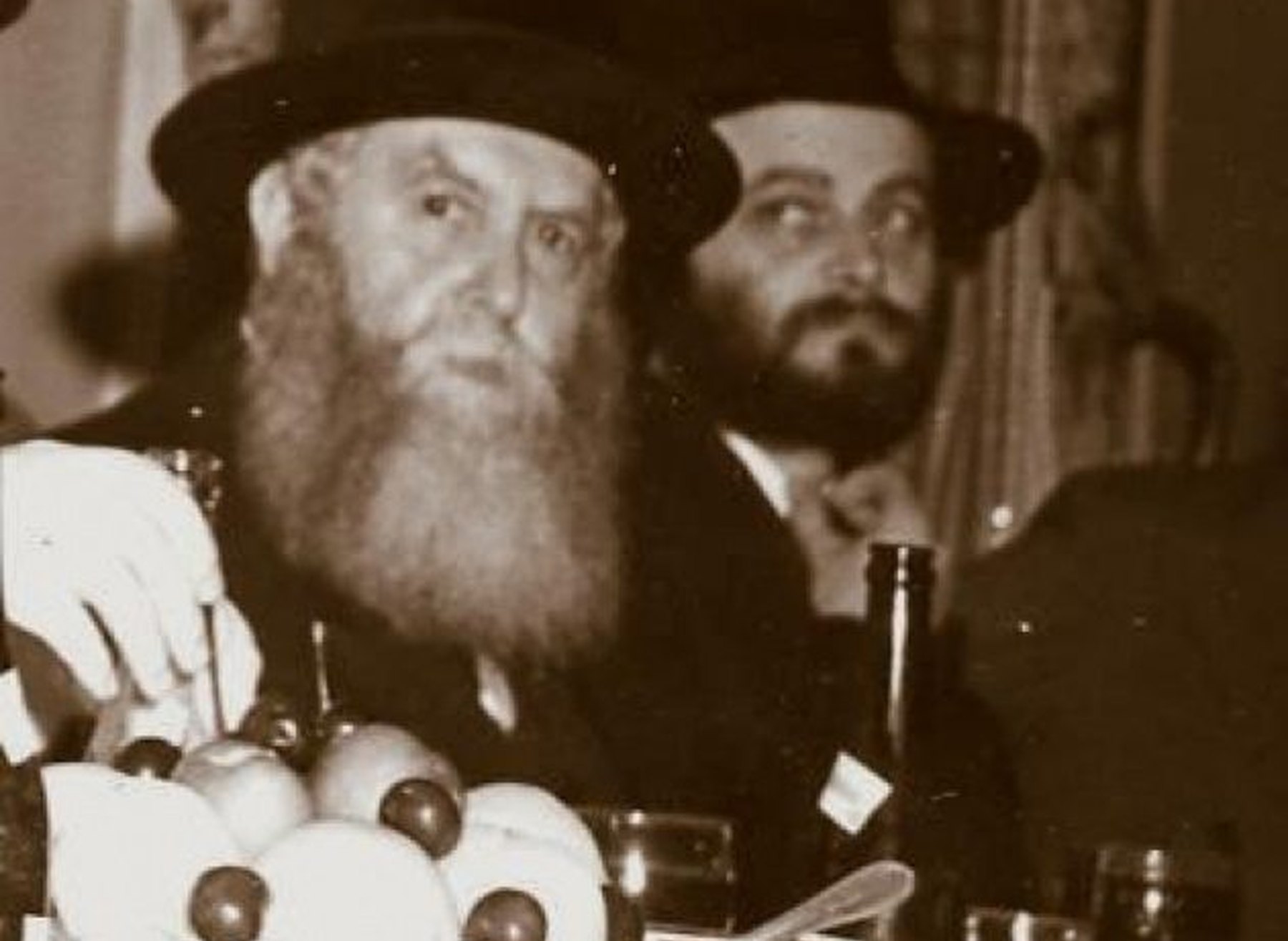
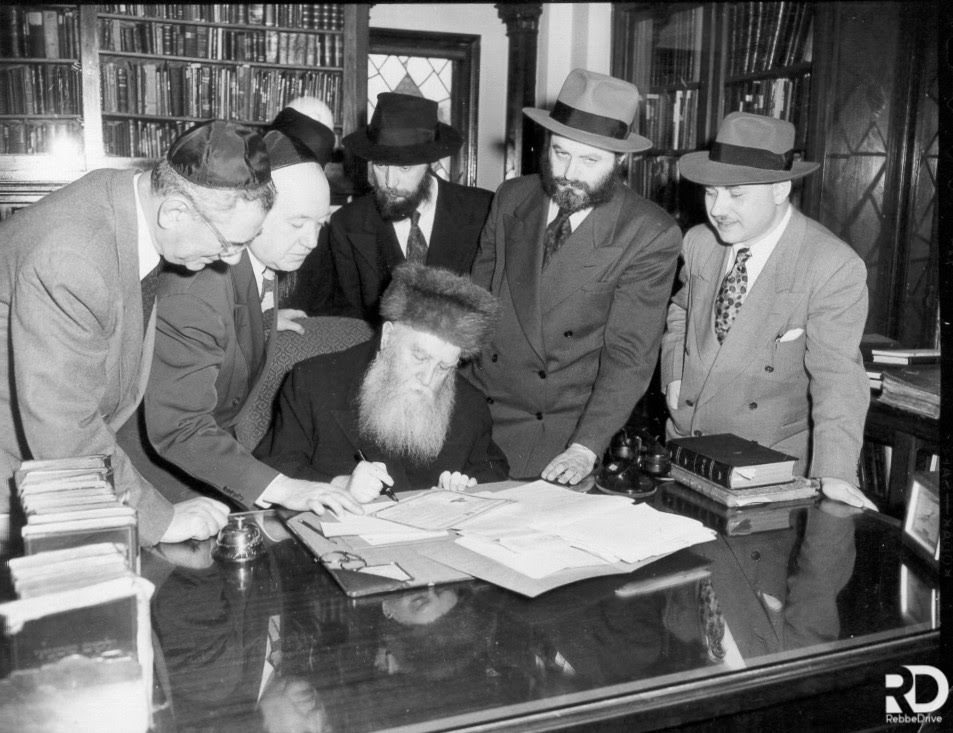
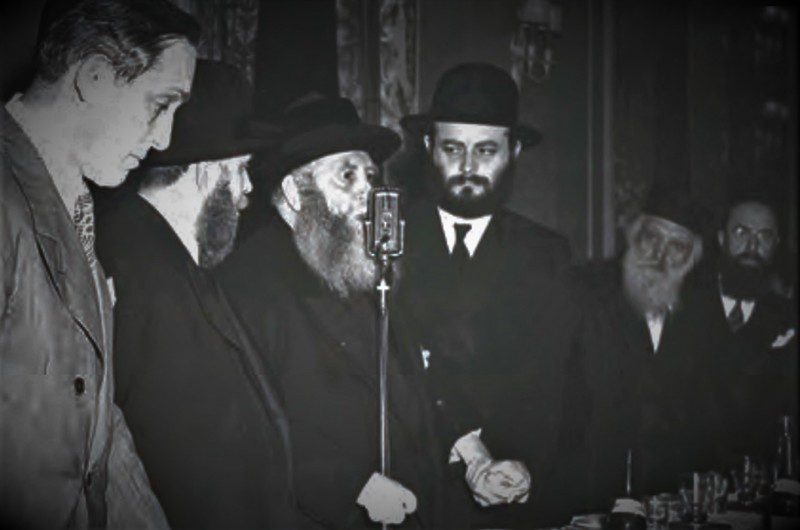
The Rebbe used the phrase, “kevod kedushas mori v’chomi admor” countless times over the years. Whoever is at all familiar with the Rebbe’s conduct is amazed by the tremendous bittul that he displayed toward his father-in-law, the Rebbe Rayatz, Nasi of the sixth generation of Chabad. This was manifest as he stood next to his father-in-law with utter bittul, with awe and utter reverence.
Even after the histalkus, when the Rebbe accepted the nesius, it was in a manner of “I have nothing of my own.” Requests for brachos and panim were taken when he went to daven at the tziyun of the Rebbe Rayatz. At farbrengens, he mentioned every minhag, idea or even a saying he heard from his father-in-law like Torah direct from Sinai.
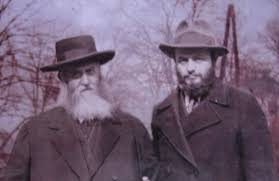
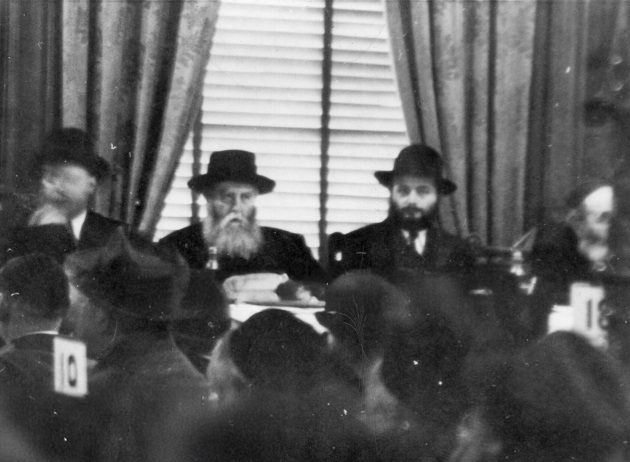
Even when he mentioned stories, the measure of the truth-reliability of the story was whether he heard it from the Rebbe Rayatz or not.
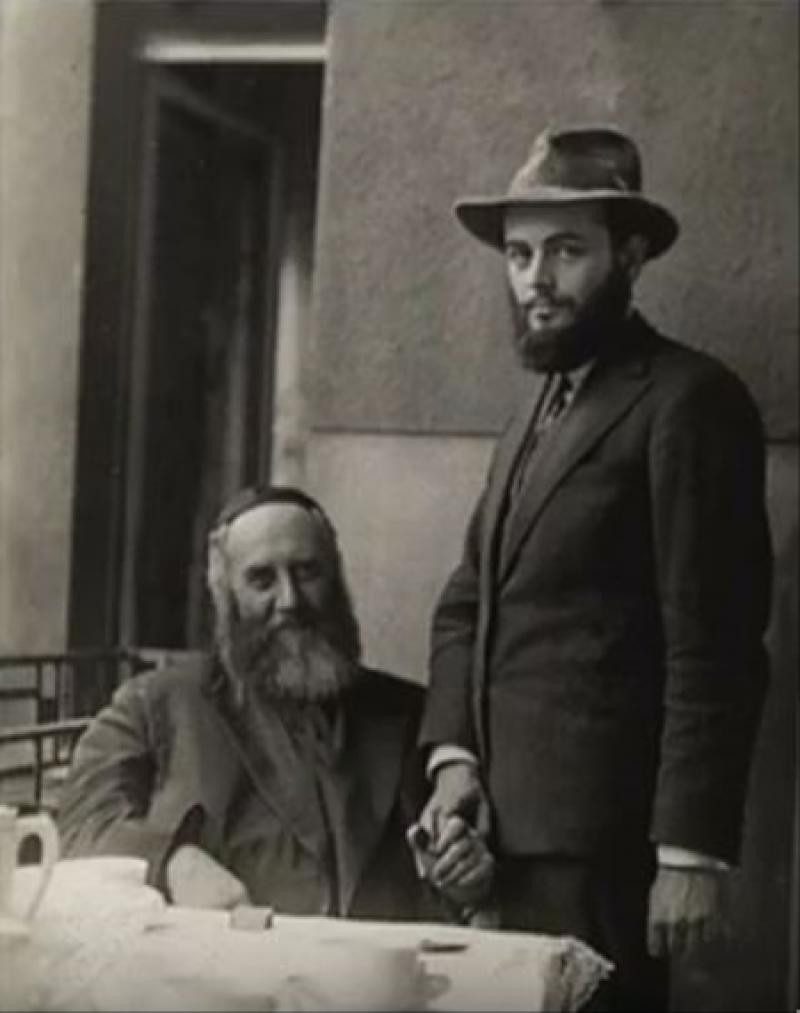
When he went to the Ohel, you could see tangible expression of his complete bittul to the Rebbe. Before he went inside he would knock on the door for permission.
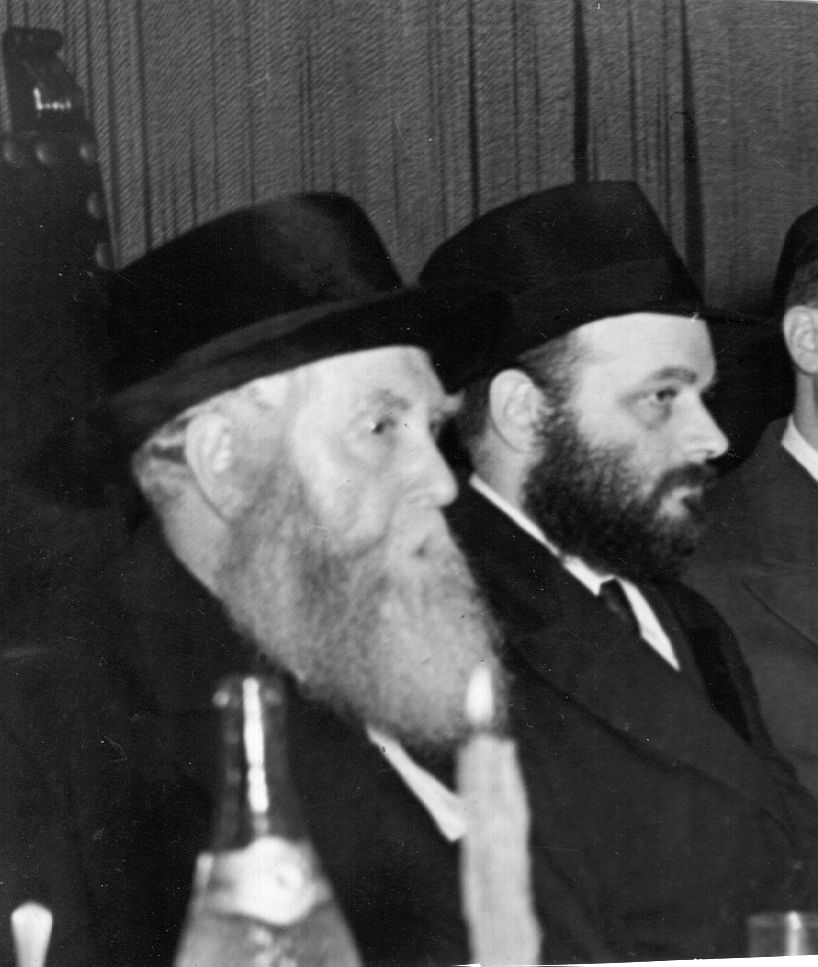
Numerous articles would not suffice to contain the entire ‘tapestry’ of the bittul that Rebbe had for the Rebbe Rayatz.
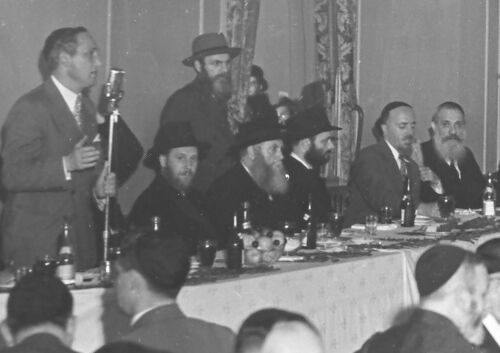
The Rebbe showed us with his body, nefesh and neshama, how a Chassid ought to be with the utmost bittul before his Rebbe.
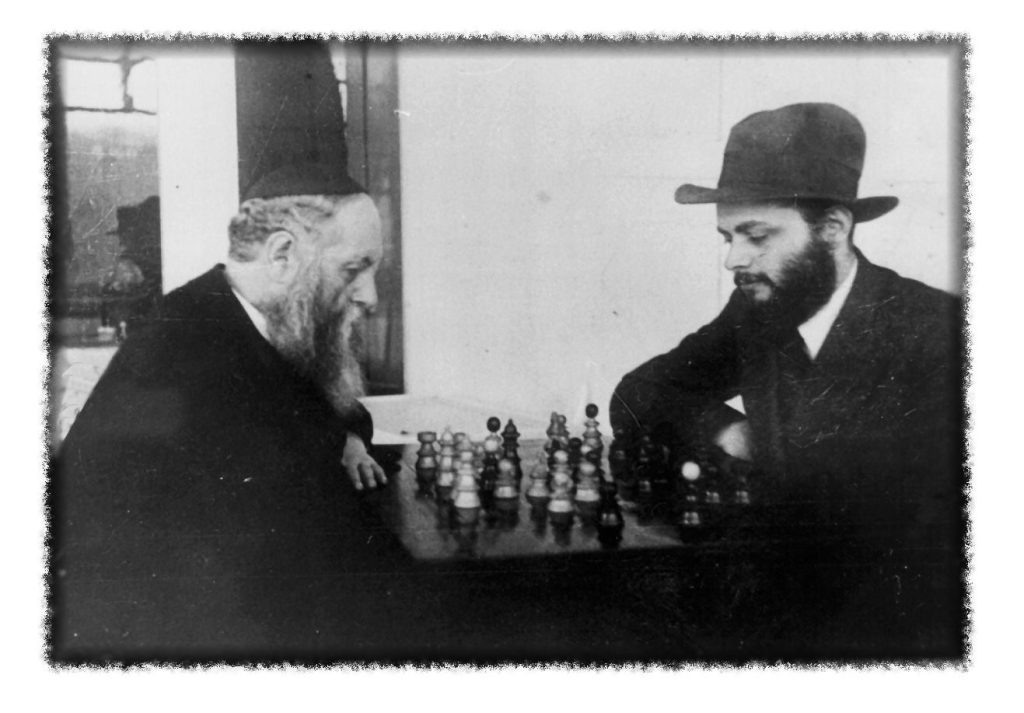
The picture was taken in the resort town of Ferchtelsdorf (Austria) where the Rebbe Rayatz spent time relaxing. At a certain point in the game, the Rebbe Rayatz realized that his son-in-law was playing so his father-in-law would win and he said, “One needs to play properly.” At the farbrengen on Yud-Alef Nissan 5707, while in Paris, the Rebbe said, “After the first round, the Rebbe shlita [the Rebbe Rayatz] thought that I was playing so he would win which is why he asked to play another round, and then I won.”
Beis Moshiach #1491B • pp. 32-35
© 2026 Beis Moshiach Magazine. All rights reserved.
This article originally appeared in Beis Moshiach #1491B. You are welcome to share it with friends and family by email or in print, provided that you do not change, add to or omit any part of it, you credit the author and Beis Moshiach, and you include a link to archive.bmoshiach.org (written out in full in printed copies).
To republish this article in a newspaper, magazine, book or website, please request permission in advance at [email protected].

