Chumros 101:
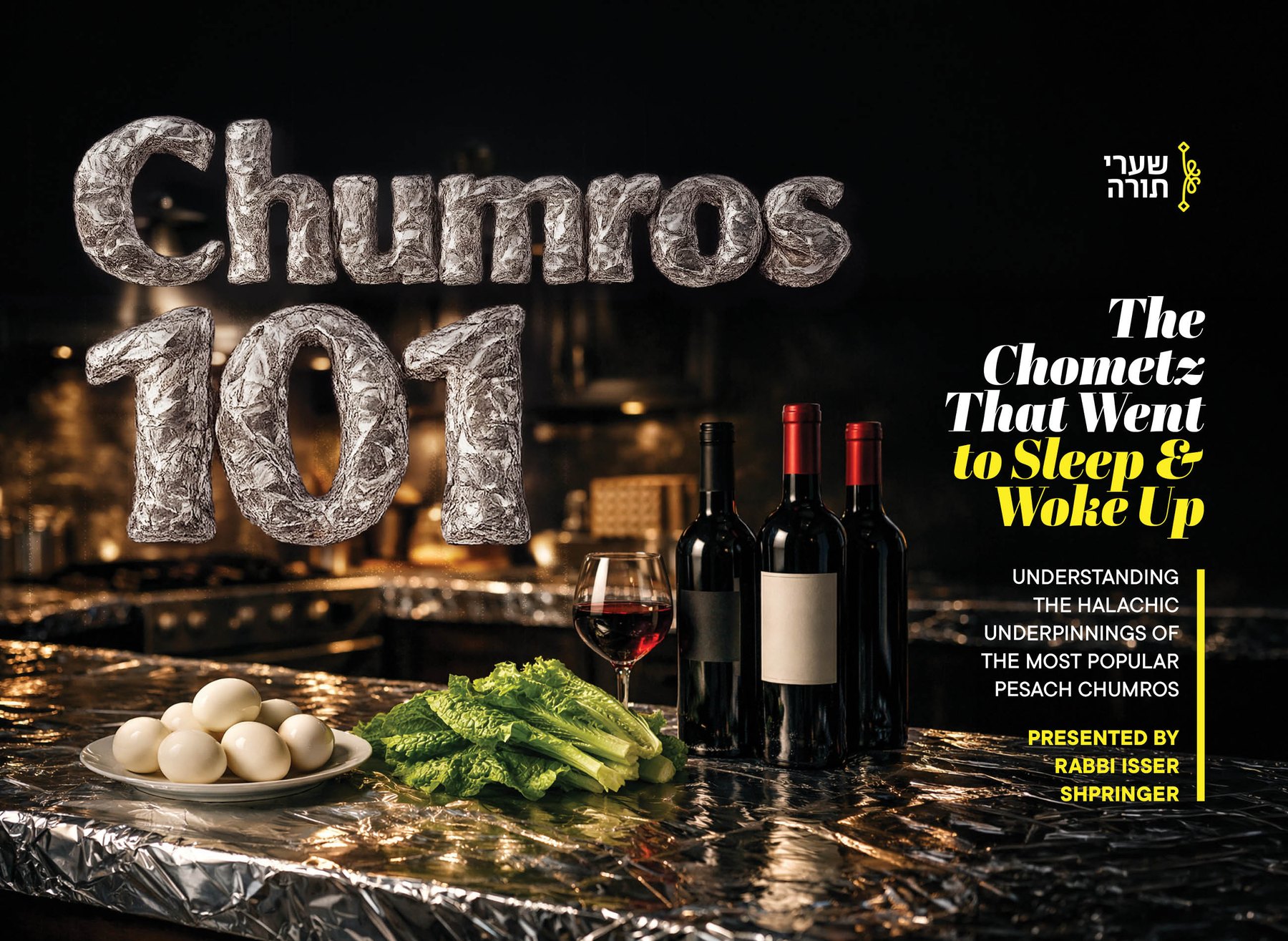
Understanding the halachic underpinnings of the most popular Pesach chumros.
Before diving into the sources behind certain chumros, let’s establish some background to the general question: why are we so stringent on Pesach? On Sukkos we rely on various halachic leniencies, yet on Pesach we don’t just avoid those leniencies – we go far beyond that.
Our Rebbeim discussed why Chazal were so strict about chometz on Pesach, forbidding even the tiniest amount, and their reasoning can shed light on our broader question: Why do we go so far beyond what Chazal themselves required?
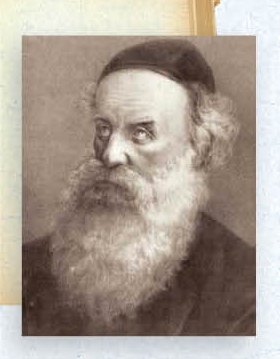
The simplest explanation is found in the words of the Alter Rebbe (in connection with Chazal forbidding even a “mashehu” chometz): “Since the Torah was so strict about chometz – punishing it with kareis and the prohibitions of ‘it shall not be seen’ and ‘it shall not be found’ – and since people are accustomed to it all year long, they are prone to forgetfulness.”
In other words, the severity of the issur chometz is greater than other prohibitions, and the risk of accidentally violating it is also greater. This combination led to a special rabbinic enactment that chometz renders any mixture forbidden and is not nullified even in a thousand times.
Beyond this straightforward explanation, we find several others:
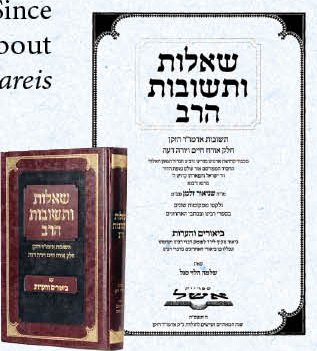
A. The Alter Rebbe cites in his responsa that the Arizal wrote to “be stringent with all the chumros on Pesach,” and the Rebbe cites in the Haggada in the name of the Arizal that “one who is careful about even the slightest chometz on Pesach is guaranteed not to sin the entire year.” (And the Rebbe adds: “Perhaps it means that he will not transgress unintentionally, for surely he is someone with free choice even then.”)
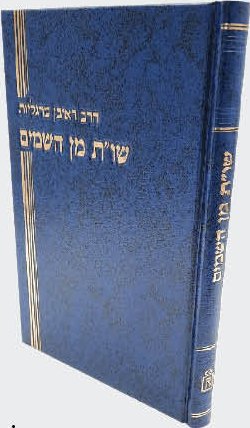
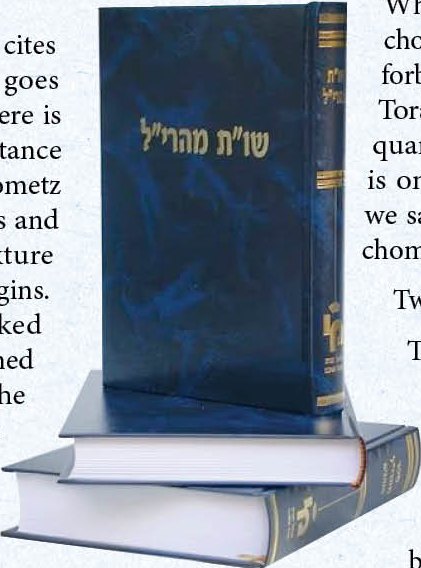
B. The responsa work Shailos U’Teshuvos Min HaShamayim (שו”ת מן השמים), offers an interesting explanation. In order to understand his explanation, we will first introduce the dispute among the poskim regarding one of the fundamental principles of Pesach – “chometz on Pesach is forbidden even in the tiniest amount (b’mashehu).”
Is this principle universally accepted?
The Tur writes: “Regarding chometz on Pesach, most of the commentators agreed that it renders a mixture forbidden – whether it is mixed with its own kind or with a different kind – even in the slightest amount (b’mashehu), except for the Sheiltos, which rules according to nosein taam (that the prohibition depends on whether it imparts flavor). And this is not the prevailing custom.”
The Beis Yosef comments there that this is not only the opinion of the Sheiltos; in addition there are other Rishonim who maintain that chometz on Pesach does not forbid a mixture in the smallest amount.
In light of this, we can understand the question posed in the responsa Min HaShamayim: “Is the halacha in accordance with the words of the Gaon, who rules that it [a mixture] is forbidden even in the slightest amount (b’mashehu), or is the halacha in accordance with those who disagree with him and say that it depends on nosein taam?”
The answer received from Heaven is most interesting: “The mitzvos of matza and chometz were the first mitzvos given to Yisrael, and the Jewish people accepted them with love and affection, being meticulous about every detail. The Torah itself was stringent about chometz – that it should not be seen and not be found – unlike any other prohibition… And one who is careful in their details will have long days and years.” In short, the chumros come from an abundance of joy. These were the first mitzvos we received from Hashem, and so we observe them with special devotion.
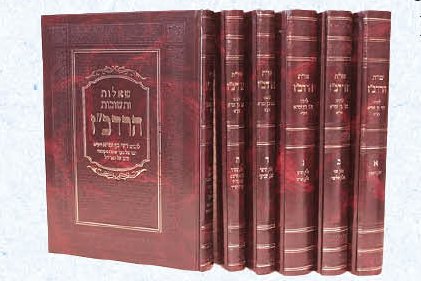
C. Another explanation is found in the words of the Radvaz who was asked why chometz – both biblically and rabbinically – is treated more severely than all other prohibitions. After attempting rational explanations and finding them unsatisfying, he concludes: “I rely on what the Sages said in the Medrash, that chometz on Pesach is a symbol of the yetzer hara – it’s the ‘leaven in the dough.’ Therefore one must completely drive it away, searching for it in every hidden corner of one’s thoughts, and even the smallest amount is not nullified.”
In summary, we have found four reasons for the special chumros of Pesach: (1) the severity of the issur combined with the risk of forgetfulness; (2) being careful about chometz guarantees one will not sin all year; (3) an abundance of joy – because these were the first mitzvos; (4) chometz symbolizes the yetzer hara.
With that introduction, let’s go to the chumros themselves.
Preparing Food Before Pesach
One well-known stringency is to prepare foods before Pesach – cooking as much as possible in advance, making sure milk was produced on erev Pesach, and the common old practice of filling barrels of water before Pesach – and so forth.
What is the reason for this stringency?
We begin with the well-known rule (mentioned earlier) that unlike nearly every other Torah prohibition, chometz on Pesach is forbidden even in the most minute quantity, as the Gemara states: “Rava ruled: the law is that chometz during its time [of prohibition] – whether mixed with the same species or a different species – is forbidden even in the smallest amount… outside its time [if it’s only prohibited due to the Rabbinic prohibition of chometz that remained over Pesach] it is permitted.”
In other words, while other Torah prohibitions can sometimes be nullified in sixty times the quantity, or when the forbidden substance doesn’t affect the flavor, chometz during Pesach is uniquely strict – however it became mixed into food, it renders the entire mixture forbidden regardless of quantity.
In the early generations, this Gemara was read simply: it doesn’t matter when the mixture occurred, only when you want to use it. If the question is whether one may eat it during Pesach, the answer is no. But if the question is whether the mixture may be eaten after Pesach [chometz she’avar alav ha’Pesach], the answer is yes.
This was the understanding of the Geonim and early Rishonim. We see that the Bahag and the Rif cite this Gemara as written, and the Rambam added and emphasized: “Something that has chometz mixed into it… is forbidden to eat until after Pesach. Even if the chometz is only a tiny amount, it is forbidden.” The Maggid Mishneh explains that many Geonim agreed with the Rambam – even if the mixture occurred long before Pesach, it is forbidden to eat during Pesach…
When Did the Chometz Enter the Mixture?
Then comes a surprising development.
The Maggid Mishneh continues: “But some Acharonim disagree, saying that anything mixed before Pesach… is not forbidden in the smallest quantity (b’mashehu).” According to these authorities, the Gemara’s rule about chometz forbidding a mixture even in the tiniest amount applies only if the chometz was mixed in during Pesach itself. If the mixture was created before Pesach, the chometz is nullified like any other Torah prohibition, and the mixture may be eaten during Pesach.
Who were these “Acharonim” and why do they say differently than the Gemara?
It appears this idea was arrived at independently by two of the greatest scholars of the same generation who did not see one another:
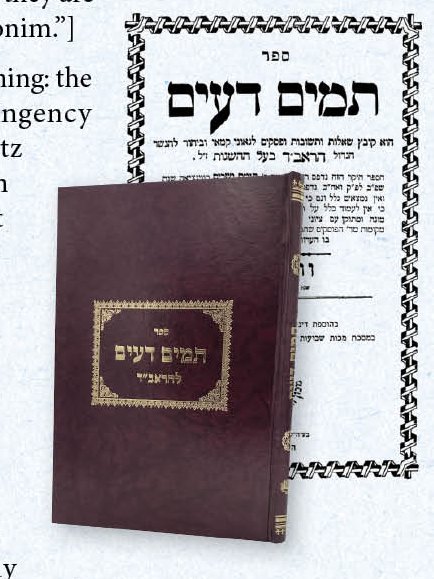
The first is Rabbeinu Tam, Rashi’s grandson and one of the towering figures among the Baalei Tosafos. Rabbeinu Tam was known for his bold original rulings and his willingness to disagree with earlier authorities. His view spread widely through the Tosafist literature.
The second is the Raavad, author of the famous glosses on the Rambam, who wrote in his responsa that “the chometz had already been nullified before the time when its prohibition applies at the trace amount level, and it does not ‘reawaken.’”
[Parenthetically: Those Rabbis whom the Maggid Mishneh refers to as “Acharonim” are what we call “Rishonim.” There is no disagreement here – it is all relative. Relative to us, who are the “latest of the latest,” they are called “Rishonim.”]
The reasoning: the special stringency that chometz forbids even the tiniest amount – rooted in the severity of kareis and “shall not be seen” – only applies when those chumros are actually in effect. Before Pesach, when those extra-strict prohibitions don’t yet apply, chometz becomes nullified in a mixture like any other Torah prohibition.
This ruling of Rabbeinu Tam and the Raavad is enormously significant with wide-ranging implications.
The Source
Where do the Baalei Tosafos and the Raavad find support for this distinction? After all, one could argue that once Yom Tov begins and the stringency kicks in, the entire mixture should become forbidden because of the chometz within it.
They base their position on an explicit Mishna which, in their reading, states their view – and on that basis they reinterpret our Talmudic passage. This approach of reinterpreting a passage in light of another source is one of the hallmarks of the Tosafist method. The Maharshal famously said that the Baalei Tosafos made the Talmud “like a single ball” – before them the Talmud seemed like “a riddle without a solution,” but they “turned it and rolled it from place to place until it appeared as one, without contradiction…”
The Mordechai, citing Rabbeinu Tam, identifies the source in the laws of shaatnez. The Mishna states: “Camel wool and sheep wool that were mixed together – if the majority is from camels, it is permitted.” The Torah forbids shaatnez, mixing sheep wool with linen in a garment – even a single thread of linen in a wool garment renders it forbidden. Yet the Mishna teaches that if sheep wool is mixed with a different, permissible type of wool – camel wool – and the permissible type is the majority, the resulting mixture may be woven with linen.
From here the Baalei Tosafos derive the principle: just as the sheep wool can be nullified before it is combined with linen, so too chometz can be nullified before Pesach begins. After the wool is nullified, even when woven with linen it is no longer considered forbidden wool. Likewise, chometz that was mixed before Pesach is no longer considered chometz when Pesach arrives, and it does not “reawaken” on Pesach.
However, from the plain meaning of the Gemara it does not appear so, as stated above. Yet the derivation from the laws of shaatnez leads the Baalei Tosafos to explain the Gemara not according to its simple reading, and to clarify that the prohibition of chometz in the smallest amount (b’mashehu) applies only during Pesach itself, and not before Pesach.
The Practical Halacha
What is the halacha – if chometz became mixed in before Pesach, is it nullified in sixty (batel b’shishim) or not? Was the view of the Tosafists accepted, or should the straightforward meaning of the Gemara be preferred, in accordance with the opinion of the earlier authorities?
The Alter Rebbe rules in accordance with the Baalei Tosafos: any chometz mixed before the Yom Tov begins is nullified in sixty times its quantity, and even when Pesach arrives the mixture remains permitted.
If so, it would seem preferable to prepare foods before the holiday – because even if a crumb of chometz were somehow present, it would have been nullified before Pesach. Whereas if one cooks only during Pesach, any chometz crumb would render the entire dish forbidden. The Alter Rebbe writes in a related context: “The custom already exists, out of concern for this, to bake everything before Pesach” – to prevent the risk of chometz mixing in during Pesach, when it would render everything forbidden.
Chumros in Pre-Pesach Food Prep
In light of all this, a question arises about a further stringency. If everything is nullified before Pesach, one would seemingly be permitted before Pesach to use spices, unpeeled vegetables, and even industrially produced products – since any trace of chometz in them would be fully nullified before the holiday begins.
If so, why avoid processed products produced before Pesach? Why not add spices to the food we prepare before Yom Tov begins? Why peel vegetables for dishes prepared on Erev Pesach?
The short answer is that we defer to the view of the Geonim and early Rishonim who read the Talmudic passage plainly – it doesn’t matter when the mixture occurred; the mere presence of chometz in a mixture renders it forbidden. We are stringent because of this opinion.
‘Reawakening’ (Chozer V’Neior)
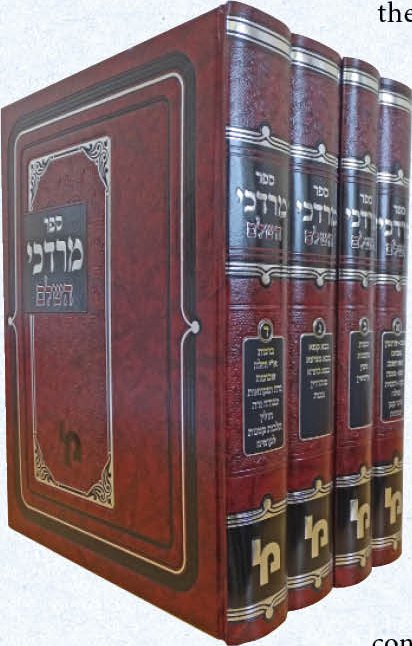
Over time, the framing of the Rambam’s view evolved. Since the Baalei Tosafos who disagreed with him wrote that chometz does not “reawaken,” subsequent authorities began explaining the Rambam’s view using that very term – that he holds that the chometz “reawakens” when the holiday enters.
The Maggid Mishneh appears to be among the first to use this language to explain the Rambam: “Many Geonim agree with our master that even if the chometz was mixed in long before Pesach, it is forbidden to eat during Pesach, because it reawakens.”
[The halachic concept of chozer v’neior (becomes reawakened) exists in several contexts even prior to the explanation of the Maggid Mishneh – either through addition of a greater quantity of the prohibited substance, or through doing a specific action. However, its application to a mixture containing chometz – where there is neither any addition in quantity nor any action performed, but merely the arrival of a time in which a greater stringency applies – was used only as a response to the dissenting opinion.]
The Alter Rebbe analyzes the logic of both positions. On one hand, there is reason to say that once chometz is mixed with permitted food it should not reawaken: “Since the forbidden substance is dissolved into the permitted substance and nullified within it, it is as if it does not exist in the world at all, and does not reawaken on Pesach.” This is indeed the primary legal ruling.
Yet the Rambam and other Rishonim hold that even chometz mixed in at the beginning of the year is forbidden on Pesach or, in other words, it “reawakens” on Pesach. The Alter Rebbe explains their reasoning: “Since there is a trace amount of actual chometz in the mixture during Pesach, even though it is dissolved into the permitted substance, it reawakens on Pesach and renders the mixture forbidden.” Though the forbidden substance has dispersed completely throughout the permitted substance, it still exists and takes effect when Pesach arrives.
The Alter Rebbe also cites the Pri Chadash who goes even further: even if there is no actual chometz substance in the mixture – only chometz flavor – it still reawakens and renders the entire mixture assur when Yom Tov begins. For example, a cooked chicken in which a leavened grain was found – if the grain was removed before Pesach, the chicken is forbidden during Pesach, because the trace of flavor that seeped into the chicken reawakens and renders it all forbidden.
The primary ruling follows the Baalei Tosafos – chometz mixed before Pesach is nullified in sixty times its quantity and does not reawaken. But the Alter Rebbe writes that one who wants to be stringent like the Rambam – that chometz reawakens whenever it was nullified – or even like the Pri Chadash – that even chometz flavor alone can reawaken – “may be stringent for himself, but should not rule this way for others.”
It appears that the stringency regarding pre-Pesach food preparation is grounded in this concern – that even chometz flavor alone might reawaken.
Why Does Chometz ‘Reawaken’ but Wool/Linen Does Not?
Those who hold there is no reawakening raised a strong proof from the shaatnez comparison: linen nullified before being woven with wool does not reawaken when it enters the garment. What is different about chometz? In fact, shaatnez is forbidden at any quantity by Torah law, while the trace-quantity rule for chometz is only rabbinic – how can we say linen is nullified but chometz is not?
Two answers among many:
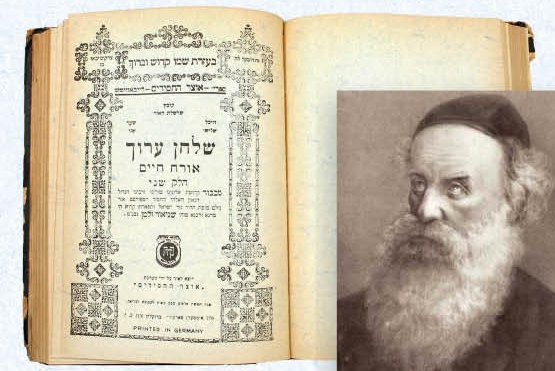
The Maharil writes that one can make a distinction between something eaten and internalized versus something whose benefit is purely external. Food is different from clothing, “but we still need to explain the reason for the distinction.”
The responsa Simchas Yehuda answers that shaatnez requires an active human deed – weaving the wool with linen – without which there would be no issur. Chometz, by contrast, becomes prohibited without any action whatsoever – merely through the passage of time. It is specifically in such a case – where the issur arrives without any deed – that we say the substance reawakens.
Ultimately, no answer fully resolves the difficulty. Hopefully, when we eat from the Pesach offerings in the Future to Come, we will hear a satisfying resolution from the Rishonim themselves.
Actual Practice
The primary ruling does follow the Baalei Tosafos – chometz does not reawaken. Yet many poskim in practice ruled stringently like the Rambam’s view, that chometz does reawaken on Pesach.
The Kaf HaChaim gathered opinions on the matter. In the name of the Birchei Yosef (Chida) he wrote that “most sages practiced the law of reawakening,” and in the name of the Kapei Aharon he noted that “it is on the lips of all residents of Yerushalayim that our custom is according to the view that there is reawakening.”
It appears that our practice as well gives weight to this stringent view.
To summarize: Ideally, it is good to cook and filter before Pesach, because the primary ruling is that chometz mixed before Pesach is nullified and does not reawaken. But we observe all the related chumros even before Pesach, out of deference to the view that even chometz flavor alone can reawaken.
Beyond Reason and Understanding
We have surveyed the reasons for Pesach chumros as understood through legal analysis and the opinions of poskim across the generations.
It is fitting to close with a special story about Reb Yissachar Dov of Belz:
Once, a new vegetable was brought to him that had not existed in earlier generations. He said: chometz on Pesach is forbidden in the smallest trace, and it is impossible to succeed in this without divine assistance. We must pray – and we rely not only on our own prayers, but on the prayers of our ancestors. Our ancestors never prayed concerning this vegetable. As such, he declined to eat it.
From this story we learn an additional reason to prefer home-prepared foods over industrially produced products on Pesach. It is not only the concern of reawakening – it is also that home-prepared foods are made with feeling and prayer, which cannot be said of the products of large companies.
* * *
May we merit the removal of chometz – both physical and spiritual – leaving not even the smallest trace capable of reawakening, with the true and complete Geula.
The Responsa ‘Min HaShamayim’
This responsa work is entirely unique. The typical ‘teshuvos sefer’ involves a Rav receiving questions and compiling his answers – thousands of such collections exist. Occasionally an author writes both questions and answers himself. Rarer still is a collection where the author writes the questions and receives answers from others. This work stands alone in all of responsa literature. The author asks the questions – and receives the answers directly “from Heaven.”
The first question this raises is whether such answers can be relied upon legally, given the principle that “the Torah is not in Heaven.”
The Rebbe addresses this in a sicha said on Shavuos 5740: “There is the rule that ‘the Torah is not in Heaven’… how can we suddenly speak of ‘Responsa from Heaven,’ some of which are relevant to halacha l’maaseh? One of the explanations is: after hearing what was said from Heaven, the author studied it with his intellect, in understanding and comprehension, until it became part of the mind of the human scholar.”
Meaning, we rely not on the heavenly origin, but on the fact that the scholar then internalized and analyzed what he received, making it his own reasoned conclusion.
* * *
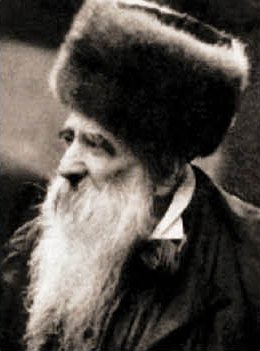
Generally, the sefer contains no dates. In only a very few responsa does a date appear, and in one of them it states: “After seeing all this, I asked on the night of Tuesday, the 19th of the month of Kislev,” after which the question is detailed. In the response it says, within the text, “and today is a day of good tidings (yom besorah).”
The Rebbe emphasizes that we do not find any particular good tidings that occurred on that day, and apparently the reference is to the Geula of the Alter Rebbe, which took place many years later.
In the Rebbe’s writings we find that the expression “yom besorah” became a common title for Yud-Tes Kislev, sometimes even without citing Shu’t Min HaShamayim as the source, but simply as an established name (see, for example, the letter addressed to “Anash who are gathered on the luminous day, the day of good tidings for us – the Chag HaGeula of His Holiness our master, the Alter Rebbe, and our redemption and the deliverance of our souls” — Igros Kodesh, vol. 7, p. 95).
* * *
The sefer was published in several editions; the most widely known today is the edition of Rabbi Reuven Margolis, who added notes on the responsa and an introduction dealing with various levels of ruach ha’kodesh that existed even after prophecy ceased in Israel. The Rebbe refers to this introduction multiple times in his sichos on the subject.
HaTomim #19 • pp. 6-15
© 2026 Beis Moshiach Magazine. All rights reserved.
This article originally appeared in Beis Moshiach #1500. You are welcome to share it with friends and family by email or in print, provided that you do not change, add to or omit any part of it, you credit the author and Beis Moshiach, and you include a link to archive.bmoshiach.org (written out in full in printed copies).
To republish this article in a newspaper, magazine, book or website, please request permission in advance at [email protected].