The Shliach Who Saved Crown Heights & Illuminated Ohio
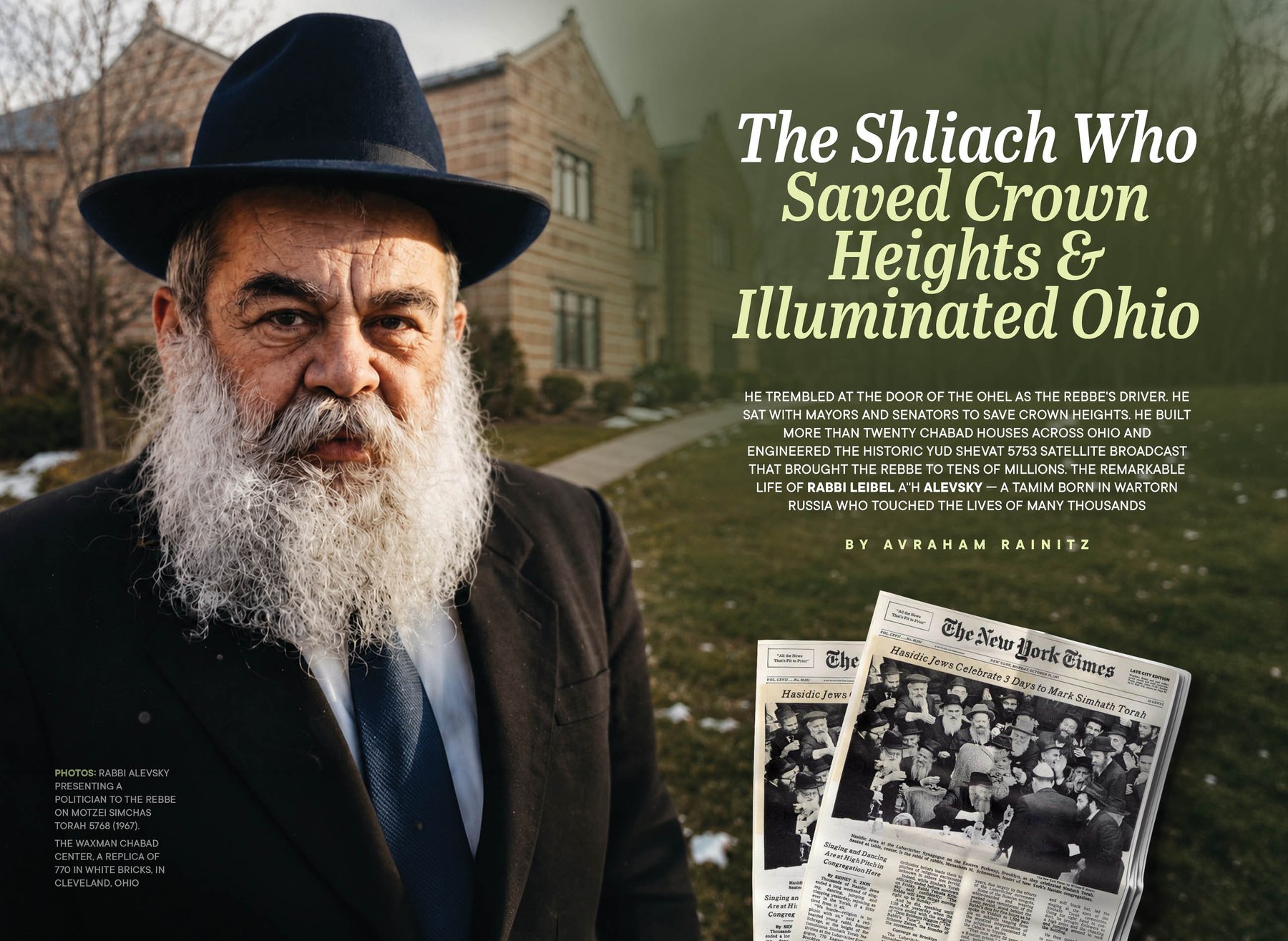
He trembled at the door of the Ohel as the Rebbe’s driver. He sat with mayors and senators to save Crown Heights. He built more than twenty Chabad Houses across Ohio and engineered the historic Yud Shevat 5753 satellite broadcast that brought the Rebbe to tens of millions. The remarkable life of Rabbi Leibel a”h Alevsky – a tamim born in war-torn Russia who touched the lives of many thousands
The silence in the old cemetery in Queens was absolute, broken only by the rustling of leaves in the wind. It was nearly five in the afternoon, and Leibel Alevsky, a young yeshiva bachur, stood in the corridor leading to the Ohel, feeling his stomach churning. In one hand he held a Tehillim, and with the other he cracked the door open just a hair’s breadth. Through the crack, he saw the Rebbe.
The Rebbe was working there at an incomprehensible speed – standing in the Ohel, making notes on letters, throwing some inside, returning others to the bag.
Before the trip, Rabbi Groner had instructed him in detail how to drive the Rebbe, adding one sentence that now echoed in Leibel’s head: “When do we return? The Rebbe will tell you.” When they arrived at the Ohel, the Rebbe had looked at him with a questioning glance – what are you still doing here? – and then told him to return “around four o’clock.”
But four o’clock came and went. Now it was quarter to five, then five. Leibel stood there, torn between two worlds. Should he interrupt the Rebbe? And in the holy Ohel of all places? He opened the door a little more, until it was wide open. Suddenly, the Rebbe looked at him and asked: “Shoyn fir azeyger?” (Is it already four o’clock?). “It’s already five,” Leibel answered in a trembling voice. “Ah,” the Rebbe replied, and immediately began packing up the remaining letters and prepared to leave.
These moments, the young man standing trembling with fear and awe at the entrance to the Ohel, yet understanding that he must do something, capture the essence of the remarkable character and personality of Rabbi Yehuda Leib (Leibel) Alevsky a’h. If one were to characterize the portrait of his life, he was a Chabad “carrier of opposites” at its finest.
On one hand, he was an old-fashioned Chassid, an authentic ‘tamim’ who was entirely self-nullifying, who felt holy awe simply from being in the Rebbe’s presence. Yet on the other hand, and this is the true greatness, from within that very awe grew a man of relentless action, a brilliant and pioneering administrator. That same bachur trembling at the Ohel was also the young man the Rebbe trusted to become the first official employee of Tzeirei Agudas Chabad (Chabad Youth Organization), the man who sat with politicians, ministers, and city officials to save Crown Heights, who initiated and managed the “Keren HaShishim” campaign for the Rebbe’s 60th birthday, and who in later years was among the initiators of the global satellite broadcast on Yud Shevat 1993, which brought the Rebbe encouraging the singing of “Yechi Adoneinu” to tens of millions of viewers worldwide.
Orphanhood and Escape
R’ Leibel’s early childhood years were seared in the shadow of the terror of war and persecution in Soviet Russia. He was born in 1939 in the city of Chernigov, Ukraine. When he was just two years old, his father, Rabbi Chaim Boruch, was drafted into the Russian army to fight the Nazis and never returned. He absorbed his Chassidic education from his mother, Mrs. Sima Chaya, and her father, the Chassid Rabbi Gavriel Kagan, a deeply rooted ‘tamim’ from Lubavitch.
When World War II ended, a golden opportunity arose to escape from behind the Iron Curtain in what is known in Chabad as the “Exodus from Russia of 1946.” The Alevsky family joined the famous escape from Russia using forged Polish passports. From there began a difficult journey of wandering through the displaced persons camp in Wegscheid, Germany, and onward to France.
“You Don’t Understand – the Rebbe is a King!”
After a period in France, a directive came from the Rebbe Rayatz to leave Europe and go to Eretz Yisrael. In Eretz Yisrael, R’ Leibel went to learn at the Tomchei Tmimim Yeshiva in Lod. At age fifteen, he went to learn in the zal under the guidance of the legendary mashpia, Rabbi Shlomo Chaim Kesselman. Eretz Yisrael in those days was blessed with towering Chassidic figures, and he merited to sit in the company of great Chassidim such as Rabbi Zalman Moshe Yitzchaki and Rabbi Shmarya Sassonkin.
But the one who particularly captured his imagination was Rabbi Chaim Shaul Brook. Unlike some of the older Chassidim, Reb Shaul spoke to them at their level, understood their language precisely, and captivated them with his stories and guidance.
Hiskashrus to the Rebbe in those days was entirely different from what we know today. “We knew there was a ‘young Rebbe’ in America,” R’ Leibel recalled, “but we had only one photograph of him.” Even studying the Rebbe’s Torah was uncommon; the only maamar he remembered studying before his trip was Mayim Rabbim of 5717. The relationship with the Rebbe was mostly limited to sending a letter before Rosh Hashana, with no further correspondence.
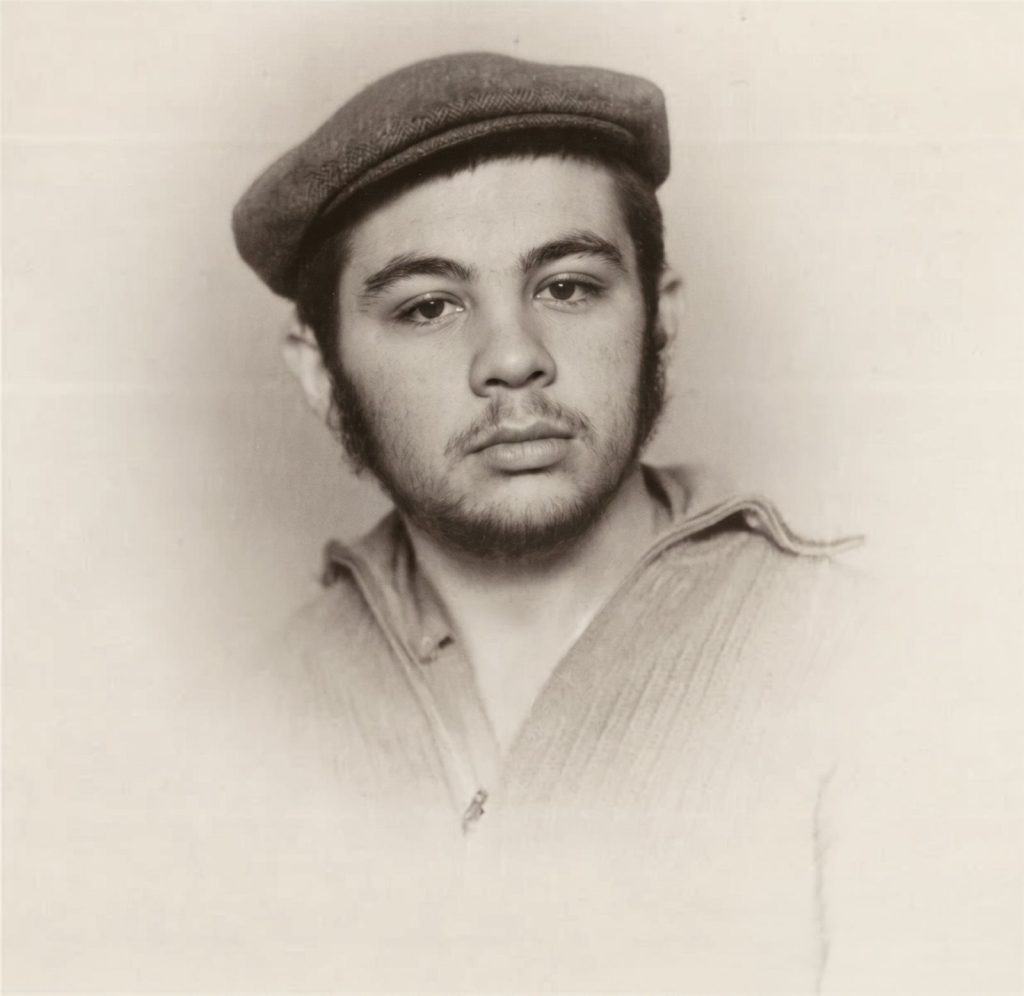
All of this changed suddenly in 1956, following the tragic terrorist attack at the vocational school in Kfar Chabad. The Rebbe sent a group of bachurim-shluchim to encourage and strengthen the community’s spirit. The arrival of these shluchim in Israel caused a genuine revolution in the bachurim’s understanding of what a connection to the Rebbe meant. The shluchim established their base at the yeshiva and traveled to communities and yeshivas throughout the country, with the local tmimim joining them at every opportunity. “They were bachurim from 770, so we hung on their every word, and they showered us with attention,” R’ Leibel recalled.
The climax came one night, at a rousing farbrengen held by the shluchim in Kfar Chabad. After long hours of warm words and many l’chaims, one of the shluchim, Rabbi Shmuel Fogelman, stood up and cried out from the depths of his heart: “Ir farshteyt nisht! Der Rebbe iz a melech!” (You don’t understand! The Rebbe is a king!).
This visit by the shluchim, and especially that midnight cry, left such a powerful impression that many of the bachurim decided they had to travel to the Rebbe, whatever the cost.
The Journey to 770
Shortly after the shluchim returned to New York, Leibel gathered his courage and wrote to the Rebbe requesting permission to come learn in 770. His anticipation was high, but the response was negative: “Yeshiva in a large city is difficult,” the Rebbe wrote. “If he will listen to my opinion, he should occupy himself with learning, be involved with avodas ha’tefilla, and influence his friends.” In other words: the journey to New York is not on the table – stay where you are. He was very disappointed.
Adding to his emotional hardship was a threatening deadline: the age of army conscription into the Israeli Defense Forces was rapidly approaching. Leibel knew that if he didn’t leave the country soon, the gates of departure would be closed to him due to his military obligation, pushing his dream of reaching the Rebbe even further away. From this distress, his grandfather, the Chassid R’ Gavriel, sat down and wrote the Rebbe a long, detailed letter laying out the situation fully.
The response this time opened a door, but required a stopover: “He should travel for a year to France under [Rabbi] Nissan Nemanov, and then his path forward will be determined.”
An instruction is an instruction. Leibel packed his belongings and traveled to the yeshiva in Brunoy to be under the guidance of the mashpia, Rabbi Nissan Nemanov. But after half a year, an unexpected problem arose: his passport was about to expire. In distress, he put the whole chain of events in writing and sent an urgent letter to the Rebbe, signing off with the heartfelt and desperate words: “And now I do not know what to do.”
Just one week passed before an official affidavit arrived in his mailbox, signed by Rashag (the Rebbe’s brother-in-law and director of the Tomchei Tmimim institutions), arranging his entry visa to the United States to study at the central yeshiva at 770. In those days, everyone understood that Rashag would send such an affidavit only upon a direct instruction from the Rebbe.
The excitement Leibel felt in those moments was, by his own description, “otherworldly.” That night, he and his friends sat down to a fiery, joyous farbrengen that lasted until dawn. He simply could not believe his good fortune; a year and a half of upheaval since he had sent his first letter to the Rebbe hoping to travel had come to an end. The gates of Beis Chayeinu were open before him.
The journey was completed miraculously on his nineteenth birthday. On Rosh Chodesh Sivan 1958, his feet first touched the soil of New York.
Awe in Beis Chayeinu
R’ Itche Springer picked him up from the ship and brought him to the mikva of the Kerestirer Chassidim so he could immerse and purify himself before Maariv in preparation for the great moment when he would see the Rebbe for the first time.
His preparation for this meeting was steeped in awesome reverence. A year earlier, his friend Meir Friedman had visited 770 and described the experience. He told of how he once walked down the narrow corridor at 770 when suddenly the Rebbe appeared before him, returning from the sink. From sheer fright, Friedman described, he only wished the ground would open up so he could jump inside. This image was etched deeply in young Leibel’s mind.
Before Maariv, he took a spot in the southwestern corner of the small zal, as far as possible from the Rebbe’s place, and stood there trembling. Suddenly a hush fell: “Shhhhh.” He looked up and saw the sea of hats parting in two, with another hat walking between them. He immediately lowered his gaze and did not dare raise his eyes again until the Rebbe had left.
That Shabbos was Erev Shavuos, and the Rebbe made a farbrengen in the shalash (courtyard) of 770. Leibel, still gripped by fear, made sure during the niggunim, when the Rebbe would look over the crowd, to hide behind the backs of the older bachurim. Suddenly he felt himself being pulled in forcefully. “The Rebbe is looking for you,” the bachurim whispered. They pressed a small cup of mashke into his hand and said: “Say l’chaim.” He said l’chaim, and the Rebbe responded.
After the farbrengen, the bachurim told him that the Rebbe had suddenly asked: “Vu iz Alevsky? Zol er zogn l’chaim. M’darf mechaneich zayn di naye” (Where is Alevsky? Let him say l’chaim. The new ones must be educated).
At 770 in those days, bachurim did not run after the Rebbe at every opportunity; on the contrary, they were embarrassed to be in his presence. Whenever the Rebbe came to 770, they made sure they were not visible in the area. Only one bachur would remain to open the door, and even he would often hide behind it so the Rebbe wouldn’t see him.
The Rebbe was particularly careful about the health of the tmimim, especially about wearing coats in the freezing New York winters. The Rebbe himself would enter the farbrengens in the courtyard with a coat on his shoulders, removing it just before saying the maamar (at which point Rabbi Shmuel Levitin and Rabbi Shlomo Aharon Kazarnovsky would gently place it back on the Rebbe’s shoulders), and if he noticed a bachur without a coat, he would signal him to go get one.
Once, an Israeli bachur left 770 without a coat. Suddenly he noticed the Rebbe approaching at the end of the street. To avoid being seen without a coat, he ducked between two buildings and ran to the end of the path to hide. But the Rebbe turned down the path, found him shivering from cold, and said pointedly: “Friyer trogt men nisht keyn mantl, un dernoch kumt men betten brachos” (First one doesn’t wear a coat, and then one comes to ask for blessings).
Leibel himself had a story on the same subject. One Shabbos, the Rebbe arrived at 770 at eight in the morning and noticed that many bachurim were absent from the seder Chassidus. The following Shabbos, everyone knew they had to arrive on time. Imagine Leibel’s anxiety when he woke up that Shabbos morning and the clock showed five minutes to eight! He leaped out of bed, threw on his clothes, hat, and suit (without a coat), and began running down Eastern Parkway.
As he neared the corner, he stopped abruptly: the Rebbe was approaching from the opposite direction! Leibel immediately stepped back and waited for the Rebbe to pass. But just before the Rebbe reached the corner, he turned toward him, made sure Leibel saw him, raised his own coat collar, and spread his hands with an expression of amazement. The message was clear. Leibel turned on his heels, ran back to the dormitory, grabbed his coat, and flew back to 770. He entered the building just as the Rebbe was walking in.
That run paid off in an unbelievable way. A minute later, the Rebbe came out of his room, went to the door of the zal, and motioned to the approximately twelve bachurim who were there (Leibel among them) to come inside. “Lock the door,” the Rebbe instructed, and began to deliver a maamar just for them. The following week, the zal was packed from wall to wall.
This sense of awesome reverence can also be seen in the following story: Every night, when the Rebbe walked to his home on President Street, two bachurim would follow the Rebbe at a safe distance for security purposes, pretending not to exist and hiding behind trees if the Rebbe turned his head.
One Friday night, as the Rebbe approached his home, the bachurim noticed a large, frightening dog barking on the sidewalk, with a large puddle directly in front of it. They expected the Rebbe to simply cross the street. Instead, as the Rebbe approached, the dog suddenly went silent and retreated with its tail between its legs. The Rebbe took a small step back, leaped lightly over the puddle, and continued on his way. The bachurim, who tried to imitate the Rebbe and jump over it themselves, landed right in the center of the puddle with a loud crash and a large splash. The dog, startled by the noise, renewed its loud barking at them. Leibel looked up and saw the Rebbe, who was already standing on his front steps, looking back toward the source of the noise, smiling at them and going inside.
“The Seven Branches of the Menorah” and the Rebbe’s Tears
About half a year after he arrived at 770, something significant occurred at the yeshiva. The Rebbe instructed the administration to designate an elite group from among the bachurim: seven boys who would be especially diligent in learning Nigleh, and seven in Chassidus. They were called “Kanim,” corresponding to the seven branches of the Menorah. Their role was to study an additional hour and a half every evening, with the goal of infusing “chayus” into the Torah study of the entire yeshiva.
Leibel was chosen as one of the Kanim in Chassidus. The same night they were chosen, the group members merited to enter together for a rare private audience, in which the Rebbe delivered a special sicha to them.
But that was only the beginning. The Rebbe began building them step by step and demanded they raise the bar. Several weeks later, the Rebbe added an instruction: once a week, one of the Kanim was to speak before the entire yeshiva. Regarding Chassidus, the Rebbe demanded something entirely new for the bachurim. Until then, they had been accustomed to review Chassidus only in the lashon ha’rav, word for word. Now the Rebbe demanded they deliver pilpulim in Chassidus – “with an explanation of what is brought in a similar vein from other places in Chassidus,” as the Rebbe defined it.
Shortly after, another demand came: during the presentation, the other bachurim should be able to ask questions and debate. And finally, another instruction: the Rebbe asked that these drashos and pilpulim be written up and published.
Three-quarters of a year had passed since the appointment, and it was Erev Rosh Hashana. The Rebbe called the Kanim in again for a private audience, this time together with the yeshiva administration. The moments that unfolded in that holy room were etched into Leibel’s soul forever and never left his memory.
The Rebbe began with a sicha. He spoke about how there are divine hamshachos (spiritual influences) that need to descend from Heaven that are sometimes disrupted and stopped on their way down into the world. Through our efforts, the Rebbe explained, we can be in the category of “mavrich es hagefen” (literally “bending the vine”) – creating the bridge that would allow those influences to descend below.
As the Rebbe was speaking, his voice suddenly broke. He began to cry. And as he continued to speak, the crying intensified. The Rebbe shifted in his chair, weeping intensely, while the administration members and young bachurim stood around the Rebbe’s table, frozen in place, not knowing what to do.
At a certain point, when the terrible weeping did not stop, the secretary Rabbi Chodakov motioned for them to leave the room. He opened the door, and everyone began to file out. Just before leaving, Leibel turned his head and looked back. The Rebbe was just lifting his face from his hands. His holy face was very red and streaked with tears, and he said to them: “L’shana tova u’mesuka.” Immediately after, the Rebbe lowered his face again and began to cry once more.
In the Car with the Rebbe
In those years, physical proximity to the Rebbe was always accompanied by trembling. R’ Leibel found himself more than once in rare situations of”shimush” (personal service), which made him – quite literally – the Rebbe’s chauffeur.
One of the Rebbe’s secretaries at the time was R’ Eliyahu Quint, a lamdan who served as the bookkeeper. One evening, Leibel was sitting in the secretary’s office conversing with him, when suddenly the familiar buzzer sounded from the Rebbe’s room. R’ Eliyahu picked up the receiver and answered naturally: “Haaallo?” He listened for a moment and said to the Rebbe: “Alevsky is here.” A second later he added: “All right, I’ll tell him,” and hung up. “The Rebbe wants you to enter his room,” he informed Leibel.
Leibel was paralyzed with fear. “What have you done to me?!” he scolded the secretary. Normally, the only time a bachur entered the Rebbe’s room was for a yechidus, and even that was only after days and weeks of mental and spiritual preparation. And here he was expected to go in without any preparation at all! Rabbi Quint instructed him to softly knock twice on the door. He knocked, and the Rebbe indicated he should enter.
In the room sat a guest, R’ Shlomo Horenstein, a first cousin of the Rebbe Rayatz, who used to visit the Rebbe from time to time. Both of them were sitting informally on the other side of the desk. The Rebbe motioned for Leibel to enter and asked: “Zey darfn bald foren in di Bronx. Host du a kar?” (They need to travel shortly to the Bronx. Do you have a car?). Leibel answered yes. “In about fifteen minutes,” said the Rebbe.
Exactly when the time was up, the Rebbe emerged from his room, supporting R’ Shlomo’s right arm. As they reached the doorway, the Rebbe gave Leibel a look. Leibel understood immediately and slipped his hand under the guest’s other arm, as the Rebbe said “yasher koach” to him.
As they approached the car, the thought ringing in Leibel’s mind was exhilarating: “I have a full hour now with this man! I can ask him about everything he heard from the Rebbe in yechidus.” But here the story ends. “Unfortunately,” R’ Leibel recalled in later years, “that is the last memory I have of that event. I don’t remember anything that happened afterward. Nothing like this ever happened to me before; I suppose the Rebbe simply wiped my memory disk…”
A no-less-dramatic drive, whose suspenseful ending was already described at the beginning of this article, occurred when he was urgently called to drive the Rebbe to the Ohel. Rabbi Groner explained the protocol: the Rebbe will sit in front with his bag of letters, and you will place an additional bag in the car and bring it inside the Ohel.
When the Rebbe entered the Ohel and began sorting the letters, Leibel stood in the corner not knowing what to do. The Rebbe looked at him with a questioning look, as if to say: what are you still doing here? The Rebbe took the second bag, and R’ Leibel, still waiting to know when to return, remained standing. Then the Rebbe said: “Arum fir azeyger” (around four o’clock).
The nerve-wracking moments when the hour grew late and R’ Leibel opened the door of the Ohel with trembling awe have already been told. But the drive back also held a special moment. On the way back from the cemetery, the Rebbe finished the Ma’aneh Lashon and said the Korbanos for Mincha. At 770, the Rebbe davened Mincha and immediately returned to the car to drive home.
Leibel opened the door, but to his astonishment, instead of sitting behind the driver’s seat (as the Rebbe always sat when traveling home), the Rebbe sat behind the passenger seat – the usual spot where he sat when traveling to visit his mother, Rebbetzin Chana. R’ Leibel turned around and gently asked: “Tzu der mamen?” (To Rebbetzin Chana?). “Neyn, tzu der heim” (No, to home), the Rebbe replied, and slid in the seat to his regular place.
The enormous tension and dilemmas he experienced during the wait at the Ohel gave birth to a practical initiative. Leibel realized there had to be a way for the secretaries to contact the driver while the Rebbe was at the Ohel. He called a friend and asked him to donate a “car phone” (an expensive technological wonder in those days) costing nine hundred dollars. Remarkably, the moment the phone was installed, the Rebbe began sending many instructions directly from the Ohel to the secretariat with it.
He also used his connections to have an official New York City “No Parking” sign placed directly in front of the pathway to 770. Until then, bachurim had been forced to stand guard with their bodies to keep a space clear, and sometimes the Rebbe was forced to walk around parked cars. From the moment the sign was posted, the Rebbe’s path to the car was always clear.
Turning Activism into Chassidus: Establishing Tzeirei Agudas Chabad
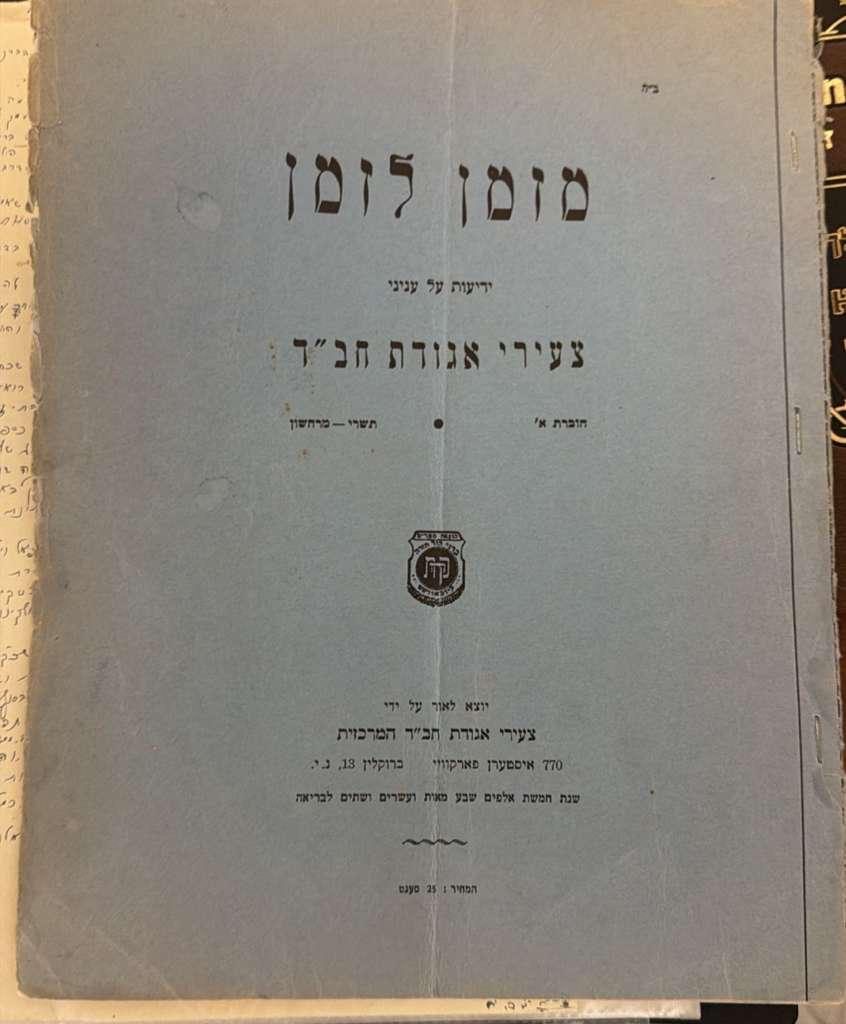
Until 1962, the organization Tzeirei Agudas Chabad (Chabad Youth, known as Tzach) in the United States operated entirely on a volunteer basis, under the devoted administration of Rabbi Dovid Raskin. During Chol HaMoed Sukkos that year, the organization’s annual convention was held, with the burning issue on the agenda being the printing and distribution of the Rebbe’s sichos. In the middle of the convention, the passionate Chassid Rabbi Bentzion Shemtov stood up and declared a sentence that became historic: “M’darf nemen a mentsh, tsalen gelt, un s’vet zayn shichos!” (We need to hire a person, pay him money, and there will be sichos! – which he pronounced ‘shichos’). He argued passionately that as long as things depended on volunteers alone, the work would never be done properly.
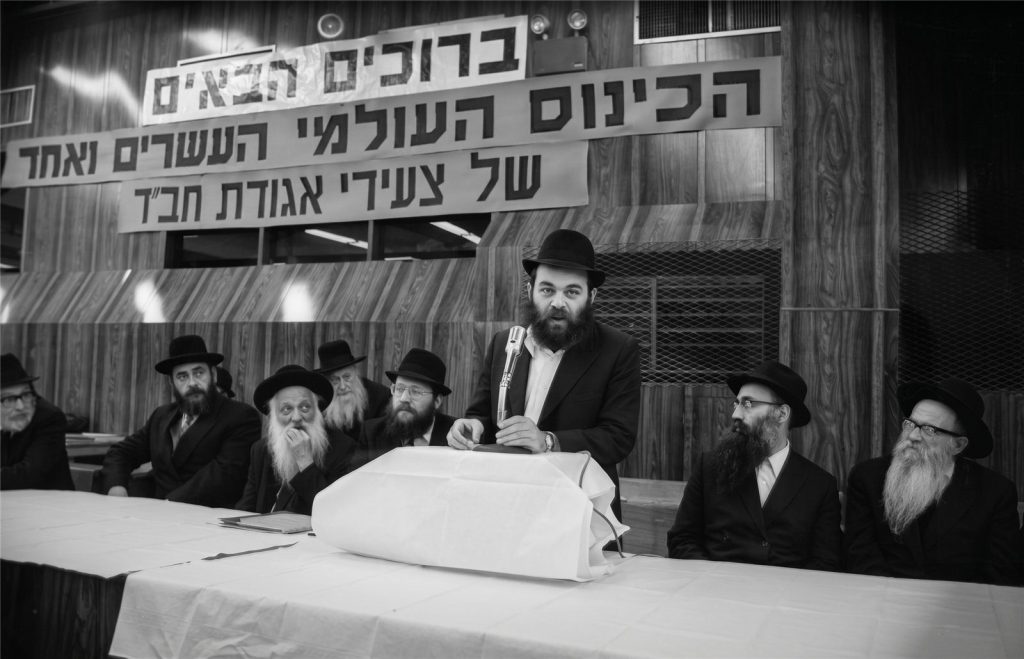
When the report from the meeting was brought to the Rebbe, Rabbi Chodakov informed Rabbi Dovid Raskin that the Rebbe was willing to pay a salary to an employee who would work three hours a day. Rabbi Dovid didn’t hesitate and immediately approached Leibel, then a 22-year-old yeshiva bachur. Leibel’s initial reaction was an outright refusal. What did he have to do with an office? He was, after all, busy with learning and his role as a Kneh Menora. But R’ Dovid pressed him to at least write and ask the Rebbe.
The Rebbe’s response was quick in coming: “If he is capable of this, even possibly, they should accept b’shaah tova u’mutzlachas, if with the permission of the administration.” Leibel took this note to the administration of Tomchei Tmimim Yeshiva. The mashpia, Rabbi Yisrael Jacobson, began asking questions and probing, but Rabbi Shmuel Levitin – one of the senior Chassidim sitting there – cut him off immediately: “The Rebbe said to ask permission from the administration? You can go!” And so Leibel became the first official employee of Tzach.
All the activities that until then had been done irregularly by volunteers – parades, Shabbosim in distant communities, organizing Chassidus classes and Torah hafatza – became his sole responsibility. The crowning achievement of his work in those years was the publication of the first four volumes of Likkutei Sichos, a project in which he was involved down to the smallest details.
The most fascinating dimension of his work at Tzach was the direct daily relationship with the Rebbe. The Rebbe was personally involved in every detail that occurred in the organization. “The Rebbe saw every piece of mail that came in or went out,” R’ Leibel recalled. When Leibel would draft a response letter or public circular, he would bring it to the Rebbe along with a carbon copy. The Rebbe would go over the copies, write his comments and corrections on them in his holy handwriting, and return them.
“The Rebbe essentially taught me how to write letters,” R’ Leibel reflected. Sometimes the Rebbe would circle an entire paragraph and add a short, pointed question in the margins: “What does this add?” Through those comments on the carbon copy pages, the Rebbe carved into R’ Leibel’s soul the value of precision and responsibility for every written word.
To be continued
Beis Moshiach #1507 • pp. 12-21
© 2026 Beis Moshiach Magazine. All rights reserved.
This article originally appeared in Beis Moshiach #1507. You are welcome to share it with friends and family by email or in print, provided that you do not change, add to or omit any part of it, you credit the author and Beis Moshiach, and you include a link to archive.bmoshiach.org (written out in full in printed copies).
To republish this article in a newspaper, magazine, book or website, please request permission in advance at [email protected].