The Second Floor Of 770
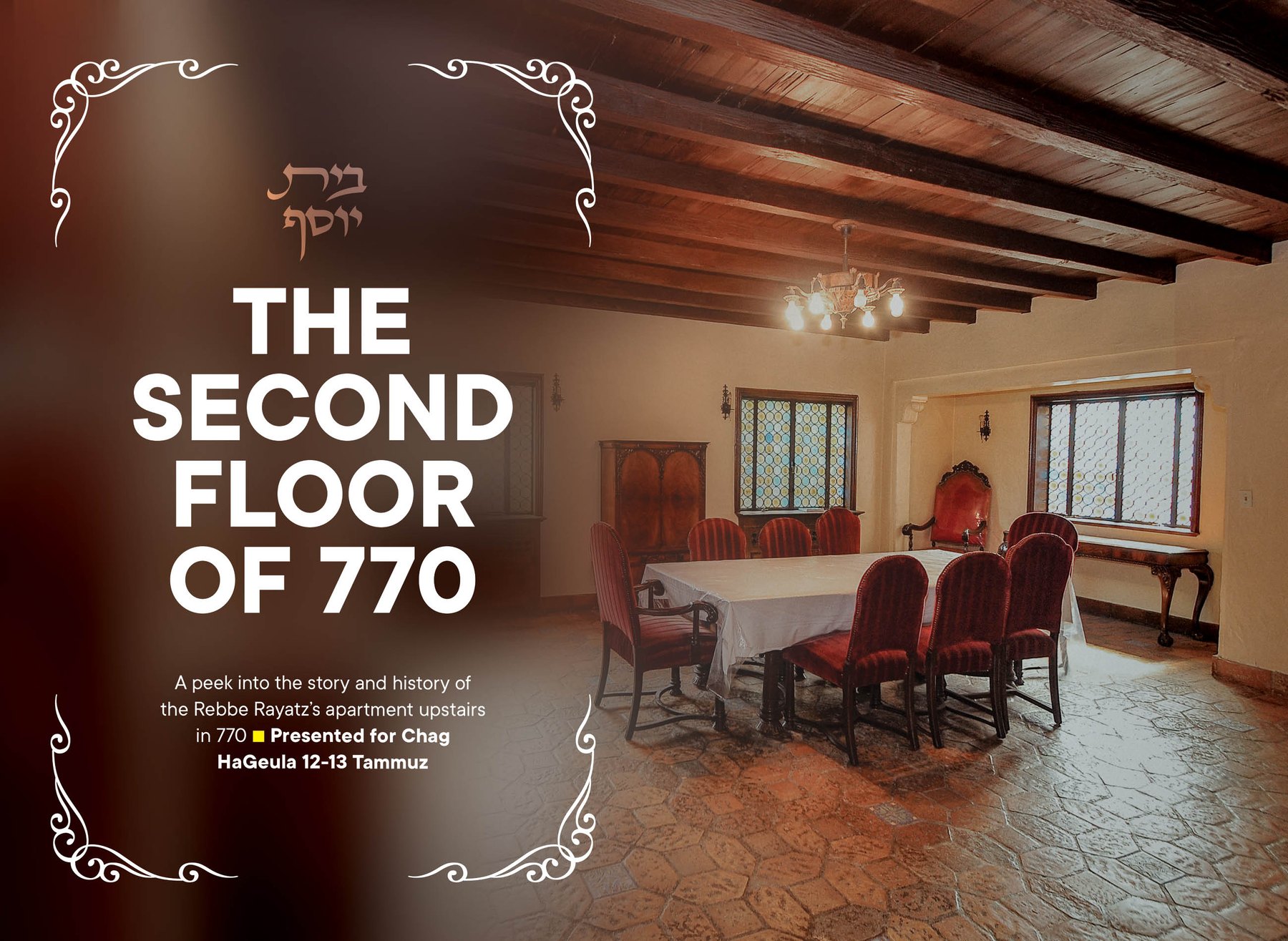
A peek into the story and history of the Rebbe Rayatz’s apartment upstairs in 770 • Presented for Chag HaGeula 12-13 Tammuz
Chassidim of the seventh generation hardly know anything about 770 beyond the basement and the first floor. The second floor is out of bounds to most. So too, for the third floor where Rashag’s apartment was, but in recent years became a hall for the library.
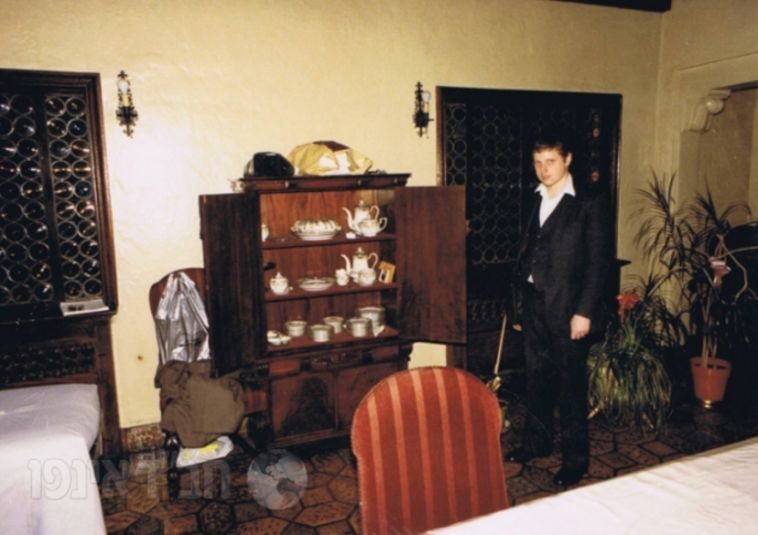
The second floor was where the Rebbe Rayatz lived, where “gan eden ha’elyon” was, and where Rebbetzin Shterna Sarah lived. The Rebbe Rayatz’s farbrengens were held in his living room.
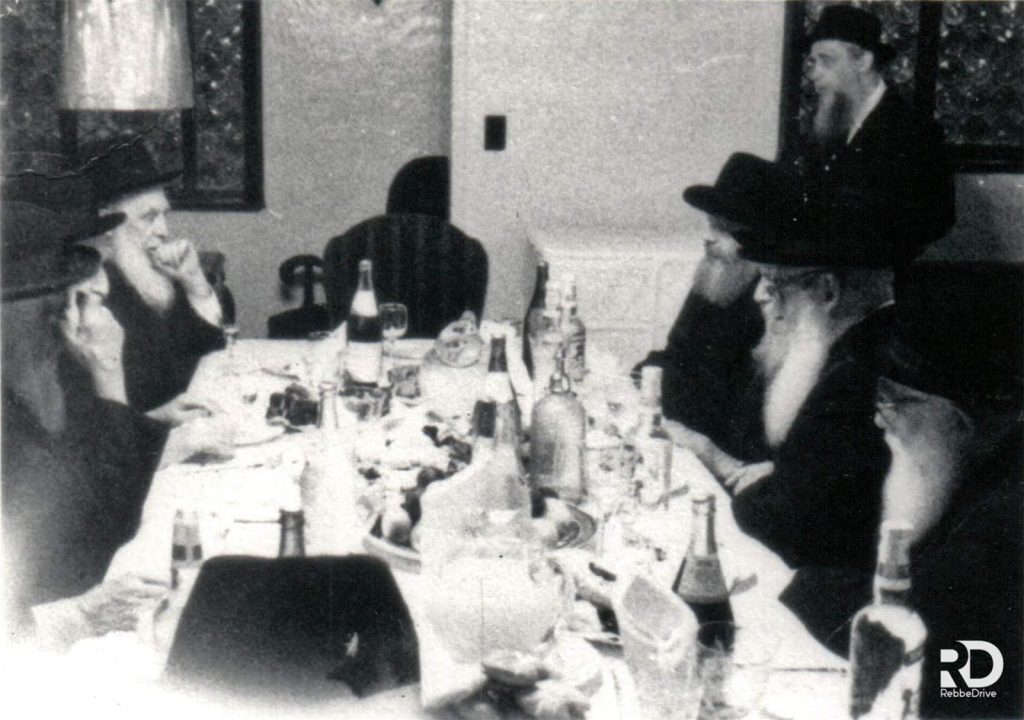
The Rebbe Rayatz sat at the head of the table in the large living room and Rashag was at his right and the Rebbe to his left. Chassidim sat around the table. The women ate in a side room, closer to the kitchen. These meals, with the Chassidim, were held on Rosh Hashana, motzoei Yom Kippur, Sukkos, Shemini Atzeres-Simchas Torah, and the first and last days of Pesach and Shavuos.
In the last years of the Rebbe Rayatz’s life, tefillos and farbrengens were held there, due to his health. After his passing, his wife continued living there until 5731. At that point, the second floor was closed to Chassidim and only the family and mashbakim were allowed there.
For twenty-one years after the passing of her husband, the apartment continued to serve the family. On holidays, the living room continued to host the meals attended by the Rebbe and his brother-in-law, along with a group of elder Chassidim and guests.
The Rebbe Rayatz’s place at the head of the table was left empty with a chair, plates and silverware, a cup and challos. They say that one time, silverware was missing for one of the people and someone took from the silverware at the Rebbe Rayatz’s place and gave it to him. Rebbetzin Nechama Dina saw this and became frantic. She said the silverware should be put back.
The Rebbe continued attending the holiday meals in this apartment, along with the elder Chassidim, family members and Chassidim whom Rebbetzin Nechama Dina invited. On special days such as 19 Kislev, short farbrengens were held there in the presence of some elder Chassidim.
While the farbrengens in the living room were for a few Chassidim, on the night of the Seder the doors were opened and everyone was invited. In later years, when the number of Chassidim grew, only talmidim from Kevutza were allowed to attend the Seder.
At these meals with the Rebbe Rayatz, the Rebbe hardly spoke. After accepting the nesius, the Rebbe did not speak divrei Torah but mainly responded to questions he was asked.
Once, someone asked the Rebbe why he continued the same way it was in the time of the Rebbe Rayatz. The Rebbe said it brought back memories of how things were before the histalkus. Every so often, the Rebbe gazed at the place of the Rebbe Rayatz and behaved as though the Rebbe Rayatz was present.
About fifteen distinguished elder Chassidim sat around the table and a bachur or two who served as waiters. The Rebbe usually finished his portion before the others. The minute the Rebbe finished, the next course was served. This is why when the Rebbe saw that some people hadn’t finished eating, he would continue to play with his fork as though he was still eating, so it wouldn’t be noticed that he had finished.

The Rebbe had great sensitivity for the others and wanted them to feel comfortable. It once happened that the Rebbe went to wash his hands but one of the Chassidim washed his hands at the sink without realizing that the Rebbe was waiting. The Rebbe stood a few steps back so the person wouldn’t feel pressured when he would see the Rebbe waiting. One of the tmimim who noticed this ran over to the person to rush him. The Rebbe noticed this and raised his hand to motion to the bachur to stop.
Rebbetzin Nechama Dina once went over to the Rebbe who was at the table and asked when she could light a candle for the yahrtzeit of her grandfather which was that day. Her question was whether she needed to do so before havdala or afterward. The Rebbetzin was hard of hearing which is why she asked the question loudly. The Rebbe answered her by making a gesture of someone holding a cup and he motioned with his hand to indicate “afterward,” i.e. she should light after havdala.
The Rebbetzin’s aide prepared the meals, while Rebbetzin Nechama Dina stood and supervised. Every so often she would say to one of the mashbakim, “You need to watch out and be very careful. You didn’t know the ‘Baba Rivka’ (wife of the Rebbe Rashab). She was very particular. I want everything here should be just like in her house.”
The cook once asked a question regarding the kashrus of a piece of meat and the Rebbetzin told her to ask the “rav of the house,” Rabbi Shmuel Levitin. When the mashbak asked him, R’ Levitin said to throw it away. Although the meat was kosher, in Beis HaRav, if a question was raised, the rule was that “a question is treif.”
With the Rebbe on Seder Night
One time, on Pesach, Rebbetzin Nechama Dina put eggs in a pot to cook and explained to one of the bachurim who helped her that she did this because she wanted to invite some people, and since on Pesach they couldn’t be given “mezonos,” she would serve eggs.
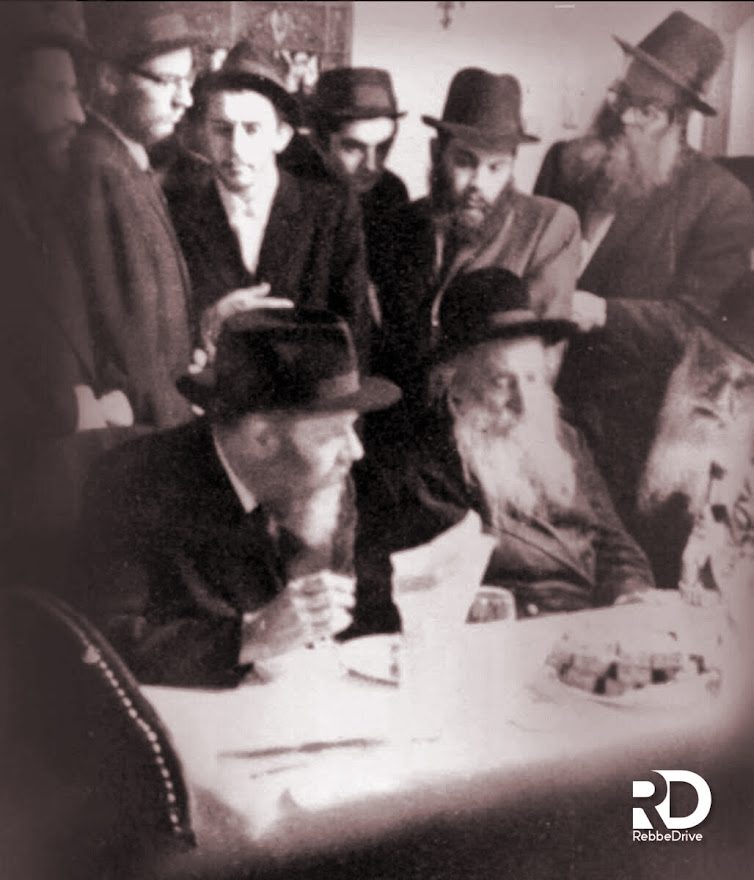
Unlike other Yom Tov meals, the night of the Seder went late into the night. The Rebbe would arrange the Seder plate and lean. At the Seder, the Rebbe didn’t talk much. R’ Yaakov Katz would read the Haggada out loud and constantly check with the Rebbe to see that he was up to the same place. The Rebbe would sit and look into the Haggada in the Siddur HaArizal, and in a Haggada with the compilation of taamim and minhagim, published by Kehot [that he authored]. Before each thing that needed to be done during the Seder, the Rebbe quietly read the instructions as they are written in the Haggada.
The tmimim who were present said that the Rebbe would arrange everything in very exact fashion.
The second part of the Haggada, after Shulchan Orech, was said by the Rebbe with great dveikus.
In 5727, it was more crowded than usual in the living room. As a result of the pushing, wine was spilled on Rashag. After the Rebbe left, the table collapsed. Obviously, the Rebbetzin was upset. The following night, it was announced that because of what happened the night before, people would be allowed in only after birkas ha’mazon.
The tmimim had a Seder in the yeshiva dining room, rushing to get through birkas ha’mazon, but a few bachurim waited at the door of the Rebbe Rayatz’s home from the beginning in the hopes that the door would open earlier. As they stood there, Rebbetzin Chaya Mushka passed by and said in wonderment, “It was said that there is no coming in today.”
One of the bachurim said to her that they would be allowed in for “Shefoch Chamascha.” The Rebbetzin said she would ask her husband about this and she turned around and went back inside to “gan eden ha’elyon.”
A short while later she came out and without saying a word, she entered her mother’s apartment, leaving the door open, thus hinting that they could enter.
Because of the announcement, hardly any of the bachurim were present for the first part of the Seder. The room began to fill up with more bachurim later on.
Holiness Doesn’t Ove from Its Place
On this floor is also the Rebbe Rayatz’s yechidus room. The walls of this room are surrounded by sefarim. In the center of the room is a large table. Elder Chassidim remember the book-stand that was always next to the Rebbe’s table to assist him. In the drawer of the desk are the Rebbe Rashab’s tefillin which the Rebbe Rayatz would put on, on erev Yom Kippur.
The first year after the passing of the Rebbe Rayatz, minyanim were held in which Rashag and the Rebbe led the davening. At the end of the year of mourning, the room remained closed except for minyanim on Rosh Hashana and Yom Kippur held by some elder Chassidim.
On Sukkos, a sukka was built on the porch off of the Rebbe Rayatz’s room. The invited guests had to go through the the Rebbe Rayatz’s room. Chassidim noticed that the Rebbe was careful not to step on the place where the tahara took place, and when he saw Chassidim walking there, he looked displeased.
Place to Pour Out the Soul
In 5731 after the passing of Rebbetzin Nechama Dina, everything changed. The meals at the Rebbe Rayatz’s home stopped and the Rebbe began to have the meals in his private home with the Rebbetzin. The second floor remained closed and unchanged.
In 5745, when sefarim were stolen from the library, eleven sefarim were also stolen from the Rebbe Rayatz’s yechidus room. Since the sefarim in the room weren’t catalogued, nobody knew which sefarim were missing. In any case, once the theft was discovered the floor was closed and the locks changed.
With the conclusion of the court case and “Didon Notzach,” the stolen sefarim were returned but the eleven sefarim stolen from the room were not returned. It was only after the conclusion of the appeal at the end of 5750 that the eleven sefarim were also returned.
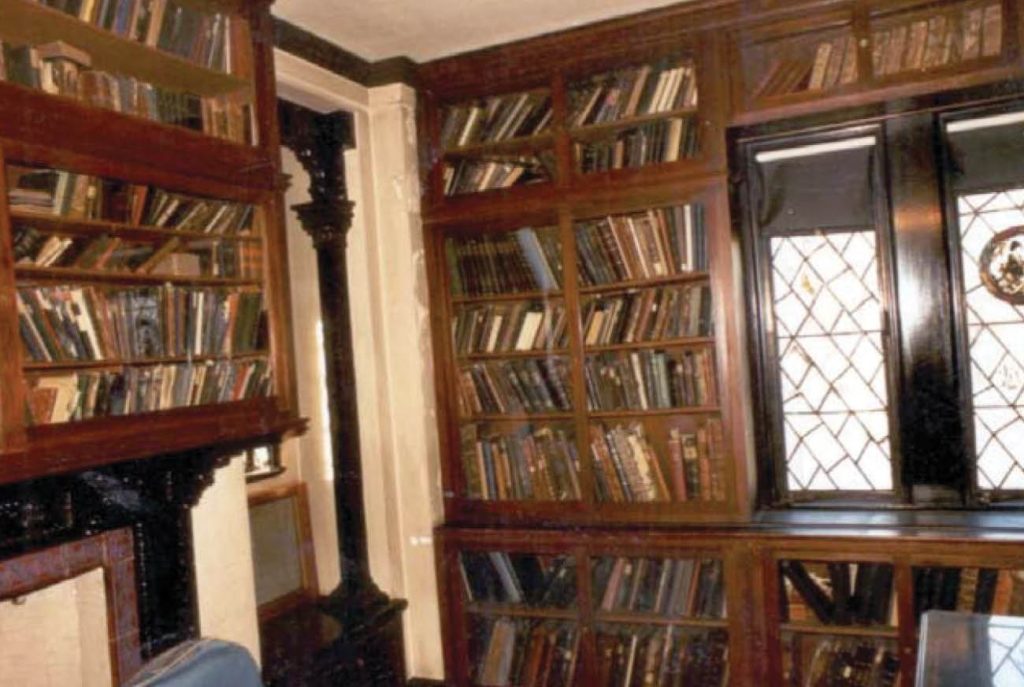
A few months earlier, on Rosh Chodesh Nissan 5750, the idea was proposed to make the apartment into a little museum with the dining room being used as an exhibition room and the yechidus room and the Rebbe’s personal room closed with glass doors so people could see in from the outside.
When the Rebbe was asked, he said it would be worthwhile to dedicate the entire apartment, especially the yechidus room, as a place of tefilla and outpouring of the soul and the reading of pidyonei nefesh for all those who need salvation, and this should be the primary use of the apartment.
Over the next months, until Elul 5750, it was possible to enter the yechidus room to read a pidyon nefesh. Then, after the stolen sefarim were returned, it turned out that before 5710 these sefarim had been on the Rebbe Rayatz’s table. That being the case, the Rebbe said to put the sefarim on the table. The librarians put things back based on photographs that were taken before Yud Shevat 5710.
At this point, the Rebbe said to completely close the Rebbe Rayatz’s yechidus room and since then, the room has been closed. Only the dining room remained open for a number of years to be used for tefillos and for saying Tehillim on the Yomim Noraim.
Unlike the first floor, the second floor of 770 hardly underwent any renovations and changes in the rooms and walls, so that it remains almost the same as when the Rebbe Rayatz moved in, in 5700.
Beis Moshiach #1418 • pp. 12-18
© 2026 Beis Moshiach Magazine. All rights reserved.
This article originally appeared in Beis Moshiach #1418. You are welcome to share it with friends and family by email or in print, provided that you do not change, add to or omit any part of it, you credit the author and Beis Moshiach, and you include a link to archive.bmoshiach.org (written out in full in printed copies).
To republish this article in a newspaper, magazine, book or website, please request permission in advance at [email protected].