Around the World – In 100 Chabad Houses

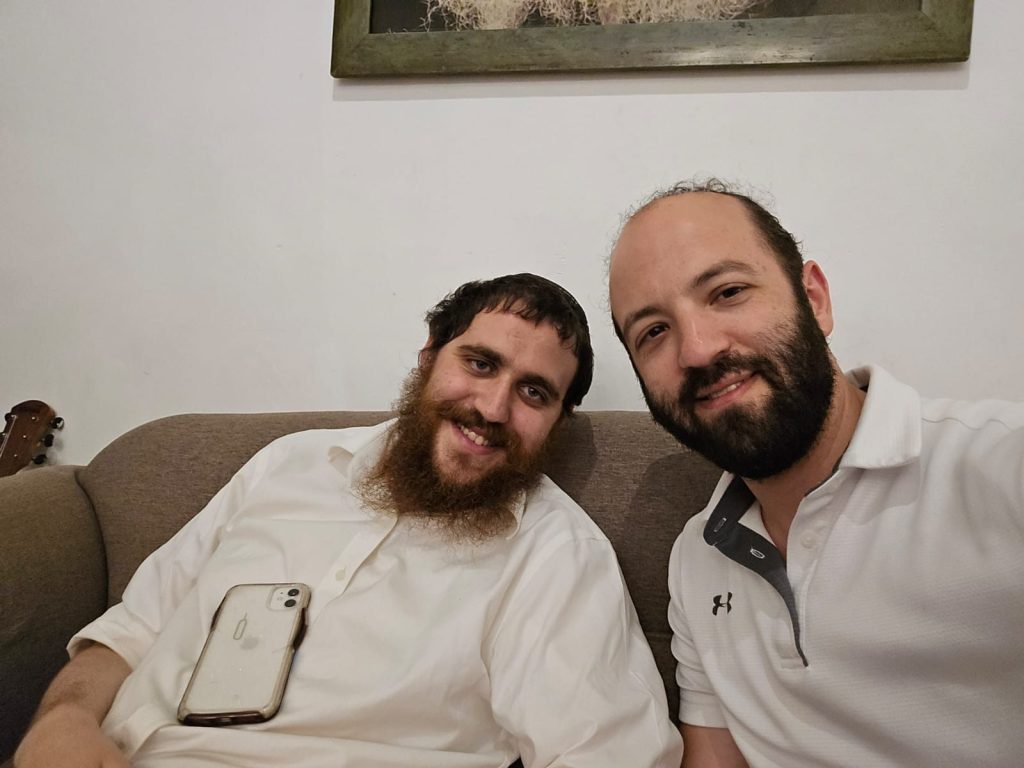
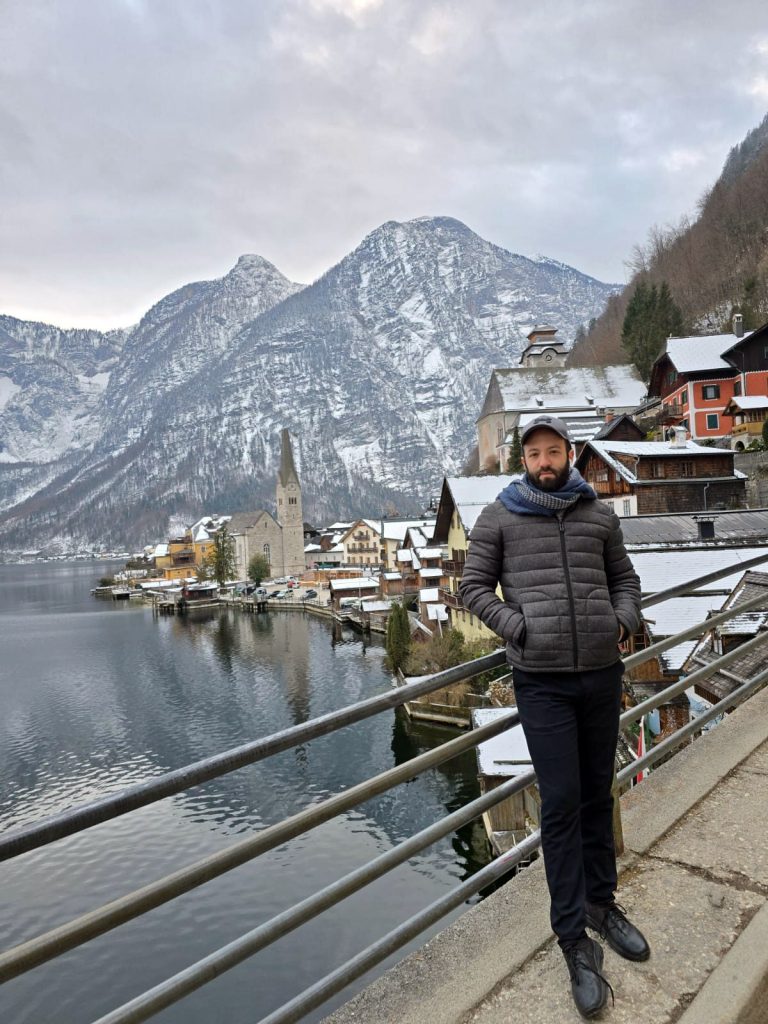
Before becoming a kosher travel consultant, Benny Wexler was a kosher traveler himself. His tourism bug led him to 114 countries in seven years – and in nearly every one, he made sure to visit the local Chabad House. What began as a traveler’s curiosity evolved into deep friendships with shluchim worldwide. Now, in his passion-turned-vocation, he documents their stories of mesirus nefesh from the world’s most remote corners.
When looking at a world map and seeing the network of Chabad centers spread across the globe, it’s hard not to be moved. From frozen Iceland to tropical Laos, from Kenya to Cambodia. Wherever a Jew travels, they will find an open Chabad House.
Behind every point on the map stand people of mesirus nefesh; entire families who left warm and established communities, established shuls and excellent schools, and went out to the “ends of the earth” – so that no Jew would be left alone. This isn’t just a job, not just a position – it’s the primary shlichus, to prepare the entire world to welcome the Rebbe MH’M.
We’ll get to know the moving and extraordinary story of daily shlichus life through the travels of Benny Wexler, a religious tourism consultant who turned his hobby and love of travel into a unique occupation. In the last seven to eight years, Benny has visited 114 countries around the world! From Europe, east and west, through the Far East, from Asia to South America, from the Caribbean to the most remote and dangerous corners of the earth. Everywhere he went, in every city or village, he made sure to visit the local Chabad House. “In the vast majority of countries where I traveled, there are Chabad Houses,” he says. “I always made sure to visit them. It was important to me from the get-go.”
What began as brief visits by a curious traveler developed, over time, into deep connections, genuine friendships, and intimate acquaintance with the shluchim. With them, he became familiar with the intimate behind-the-scenes life, the life you don’t always see or hear about.
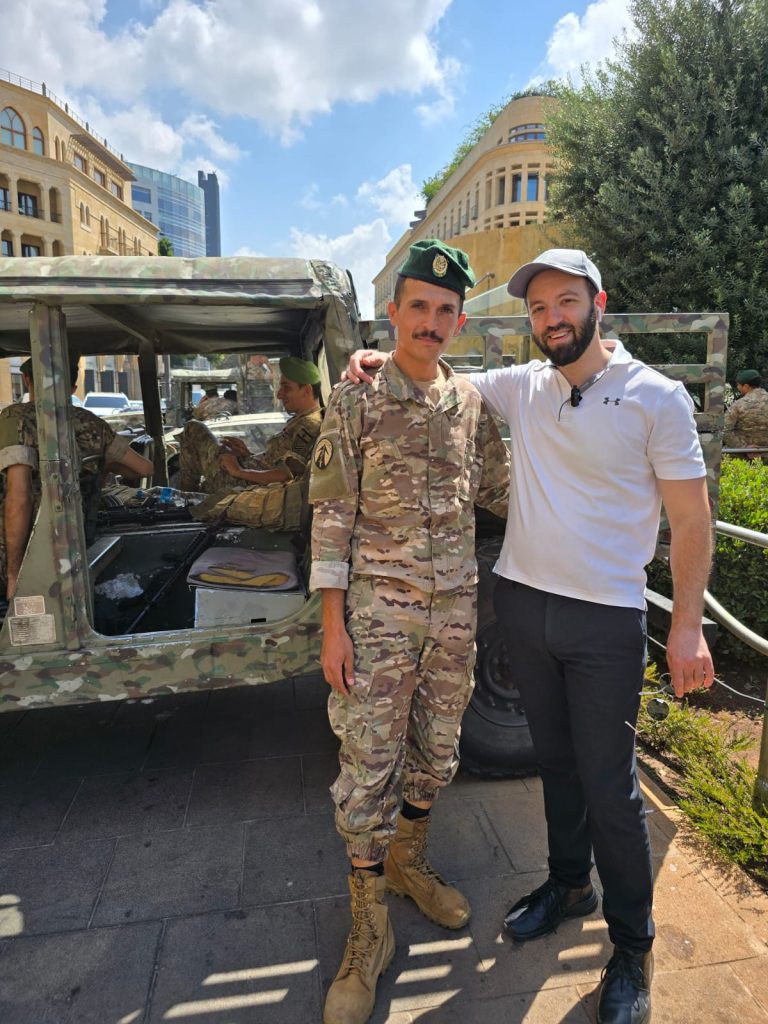
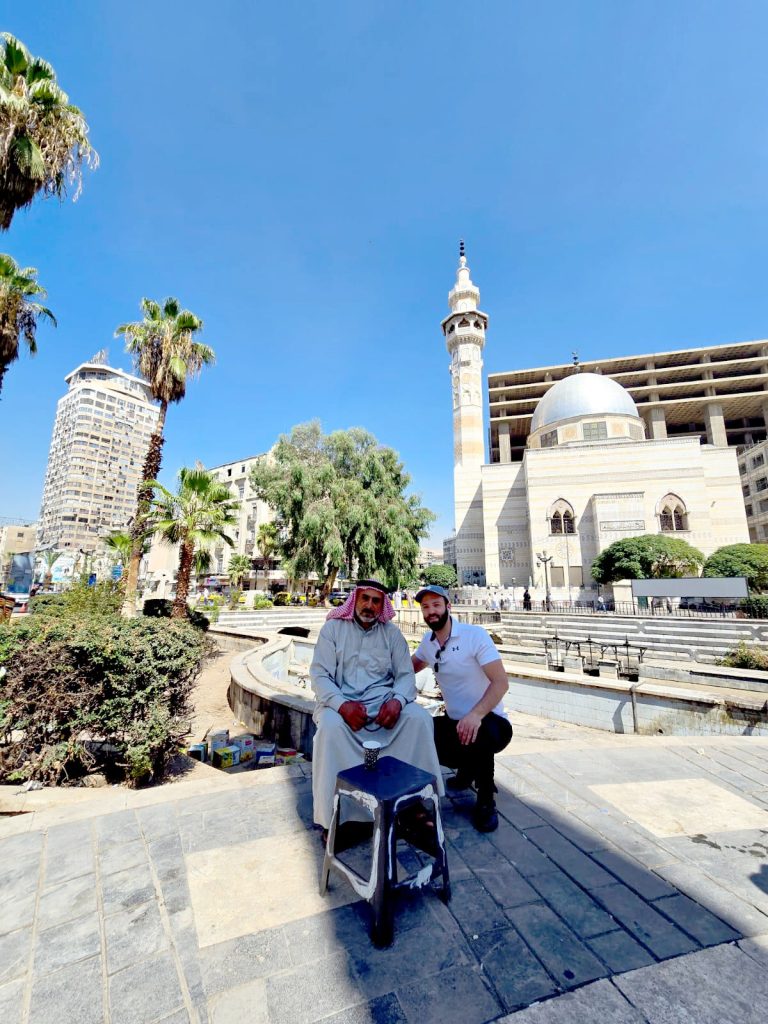
For seven years, Benny traveled the world as a private tourist, as someone who loves discovering new places, different cultures, and breathtaking landscapes. He visited countries most people haven’t even heard of, or places considered dangerous and inaccessible to Westerners in general, and to Jews in particular. Yes, he also visited countries like Iraq, Afghanistan and Sudan, and Arab countries like Saudi Arabia and Qatar. He was even in autonomous regions like Kurdistan, which treated him with exceptional warmth. Most recently, he even went to Syria and Lebanon for tours, and everywhere he sought the authenticity hiding behind the familiar images. Everywhere, he also searched for and found the local shliach.
About two years ago, something changed in Benny Wexler’s life. He realized that the vast knowledge he’d accumulated, the amazing experiences he’d had, and the connections he’d made with shluchim in every corner of the world – all these shouldn’t remain just with him. “I decided that instead of traveling and getting to know every corner of the world, I would pass on my knowledge and experiences to other people who want to travel.” Since then, Benny has become a professional tourism consultant, someone who takes Jews traveling around the world. He arranges complete packages for them from A to Z – flights, hotels, tour routes, kosher food, and of course – connection with the Rebbe’s shluchim. “I make sure they have an enjoyable vacation, and also completely kosher,” he says proudly.
Stories Like in Previous Generations
Benny doesn’t just organize trips and sell vacation packages. He also does something special: he documents, photographs, creates connections, and bridges between worlds. “Only in the last year did I start documenting my meetings with the shluchim,” he says. And the stories he hears in these meetings sound like pages from stories of tzaddikim from previous generations, stories of mesirus nefesh and open miracles happening in our time.
“Half a year ago I started photographing and systematically documenting my visits with shluchim, and I already have over a hundred photos and countless stories from meetings with shluchim around the world.”
When I ask Benny about the stories he’s heard, he smiles: “I have a lot of stories,” he says, “but usually these are stories that can’t be written, because they’re too personal. Their mesirus nefesh…” he is moved and searches for the right words.
“Look, when you’re in the middle of a developed country in Europe, it’s less difficult. There are infrastructures, there are hospitals, there are existing Jewish communities. But in countries in certain parts of the world? That’s something else entirely.”
Everywhere, Benny heard or saw up close, stories about educating children in places where there’s no Jewish school, about families teaching their children at home, about children growing up without Jewish friends. “Quite a few shluchim told me about educational problems that arise when there are no organized schools or even Jewish friends, where their children feel different from their entire surroundings.”
He also talks about medical problems – “in places where the hospitals there are worse than anything you can imagine. About dealing with real medical problems without access to good doctors and without normal health insurance.”
And of course there also financial difficulties – “because there aren’t always donors, there isn’t always money, and sometimes they simply don’t know how they’ll make it through the month.
“When you’re in an advanced country, it’s less difficult. There are infrastructures, there are communities, there’s some support. But in these countries? Every mikva they build there, every activity they organize – it’s with great difficulty. And yet they continue, day after day, because they know this is their shlichus,” he says.
“One of the moving stories I heard came from Rabbi Moshe Raskin, the Rebbe’s shliach in Uganda. It’s a story about a sequence of hashgacha pratis that all converged into one great miracle, and teaches how the shlichus – even in the most remote places – can be critical to one soul.
“Rabbi Raskin told me that during Covid, when the entire world shut down and the shlichus changed completely, there were moments when certain thoughts crept in. ‘What am I doing here?’, ‘Is my shlichus really important?’ Uganda isn’t exactly a grand Jewish center, and the community there is very small. But the story he was about to experience made clear for him more than ever the meaning of his shlichus, and the understanding that for a moment such as this the Rebbe sent him to Uganda.”
About a month after R’ Raskin’s wife gave birth to their son Shneur Zalman, while she was recovering from the birth in Eretz Yisrael, Sarah – a non-observant English Jewish woman from their community gave birth to her firstborn son. The birth was in Uganda. During the pregnancy, the shliach Yocheved Raskin spoke with her about the importance of having a bris. As befits a faithful shliach, she brought up the topic to her from the moment she heard they were expecting a son. She promised Sarah that the moment she gave birth, they, the shluchim, would take care of everything necessary: they would bring a mohel at their expense, arrange the entire bris ceremony, and Sarah wouldn’t need to worry about anything. From the conversations with her, it seemed Sarah was interested.
When Sarah gave birth, the shliach called to congratulate her and reminded her again about the bris. Sarah promised she would ask her husband and request his permission. A month passed, and then another month, and the child was already two months old – and consent had not yet arrived. The Rebbetzin gently reminded her again and again, promised they would take care of everything, but received no positive response. “I’m sad,” the shlucha told her husband. “It pains me that a Jewish child was born in our small community, and he doesn’t merit to enter into the bris of Avrohom Avinu.”
Yocheved continued corresponding with Sarah during these two months, tried to find reasons to make contact so she’d be reminded of the offer and the desire to do the bris would be awakened in her. But as time passed, she felt she couldn’t press anymore. ‘I did my part,’ she said to herself, ‘from now on it’s in G-d’s hands. He’s the one who needs to take care of this Jewish child having a bris,’ and with that she let go of the matter.
As the days passed, she made peace with the fact that soon, even if Sarah wanted to have the bris, it was doubtful whether a regular mohel could do it – because when the child would be older, only a mohel expert in adult circumcision or a surgeon could perform the bris, and they might lose the mitzva.
And then, as if from nowhere, they landed in Uganda. It was Sunday morning, two Jewish travelers in their sixties-eighties walked into the Chabad House. The Raskin family was very excited. Jewish travelers almost never visited their home during that period. They were very surprised by their very arrival, not only because these were the peak Covid days and people hardly traveled, but also because the day before, Uganda’s president declared another lockdown that forbade vehicles from moving on the roads except for licensed tourist vehicles – which significantly reduced tourism in a country that was already at a low point. The two Jews who had just arrived didn’t know about the new lockdown, and were surprised to hear about it. But since they came for a defined purpose – to see the gorillas, for only five days – they planned to travel in a tourist vehicle. The didn’t care about the new restriction, and their trip was supposed to proceed despite the lockdown.
Meanwhile they sat together over coffee and cake, and R’ Raskin asked them about their occupations. One of them, the younger of the two – around sixty-plus – said that by profession he is a dentist, a shochet, and a mohel.
A mohel?! The rabbi and his wife looked at each other, and both felt at that moment that he was sent to them from heaven… They didn’t wait even a minute. They immediately told him about the Jewish child who had been waiting for a bris for two and a half months, and asked if he could do it. He replied that technically, he wouldn’t have a problem – but since he didn’t come with his work tools, it would probably be impossible…
And then there was silence. He thought for a few moments and said: “You know what? Since I’m a dentist by profession, if you have a dentist friend from whom equipment could be borrowed, I could improvise and manage with his equipment, and thus perform the bris.”
A dentist friend? This the Raskin family had managed to acquire during their residence in Uganda. Now they had the main job left – to call Sarah, tell her about the hashgacha pratis that had just befallen them, and considering the circumstances – convince her to hold a bris for her child.
While excited by the coincidences, they picked up the phone to Sarah and told her the story and the sequence of events. They even let her speak with the mohel himself, who explained to her about the circumcision procedure and reassured her that the child would be in good hands and she had nothing to fear. The mohel was an American Jew, English-speaking, who spoke to her in her language – and with much greater ease conveyed the message that touched her heart. Sarah also felt the hand of providence in the story, and a few hours later she called to announce that she had received her husband’s consent, and they were ready to hold the bris.
The bris was set for four days later, in the two free hours when the men returned to the capital from the gorilla trek, and before their departure home via the Entebbe airport.
During this time, the Raskin family took care of all the necessary equipment from the dentist and pharmacy. When the time came, they excitedly presented a beautiful cake the Rebbetzin had prepared, a bottle of wine and light refreshments, straight to the first bris mila in Uganda in this era!
It was a modest and moving ceremony held at the shluchim’s home. Only the rabbi and his wife, the mohel, the other Jew who came with him, the baby’s parents, and the one being circumcised himself participated. Each of the participants received a role in the ceremony – the rabbi recited the blessings, the other Jew was the sandek, and Rebbetzin Yocheved was busy giving emotional and physical support to the Jewish mother who was moved to tears by the fact that she merited to bring her child into the chain of generations of the Jewish people, and to connect him in an eternal covenant with G-d.
“This story stayed with us for a long time and affects us to this day,” R’ Raskin told me in an emotional voice. “Not only because of the amount of hashgacha partis that converged in one place – but mainly because this story illustrates for me more than anything Hashem’s concern through the Rebbe for every Jew, for every soul wherever it may be, even at the end of the world. The Rebbe manages to connect the pieces of this divine puzzle on those very days when I feel less significant in my shlichus”…
A Visit to the Hospital on the Way to the Detention Center
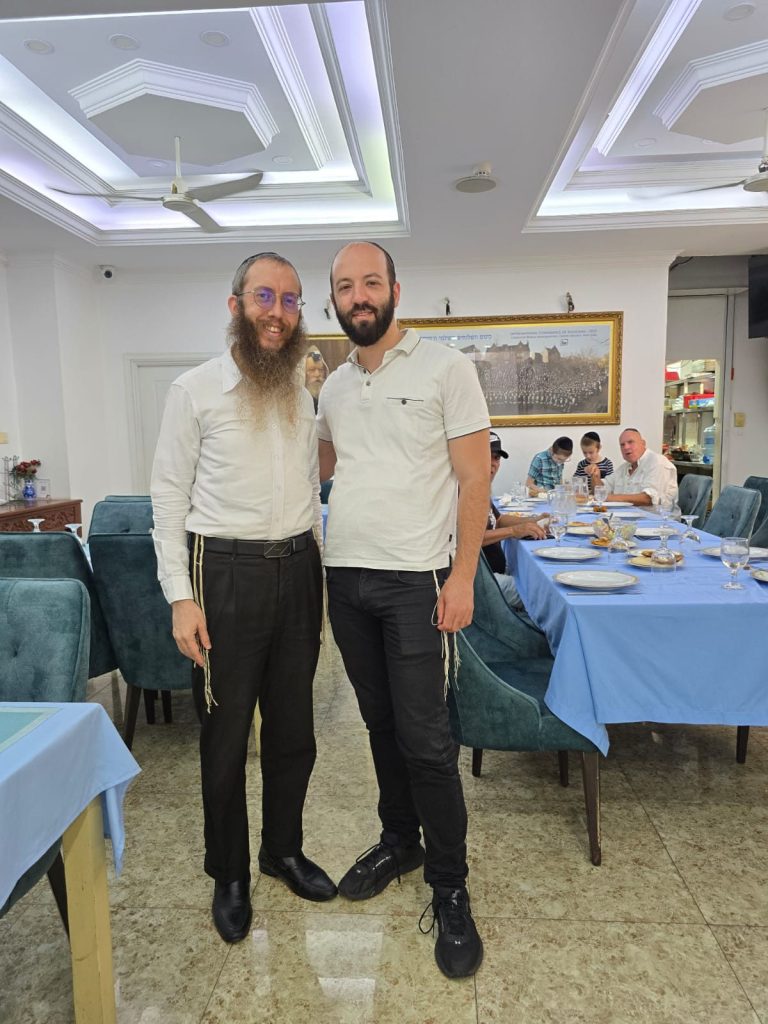
This story, like all the others that Benny hears and records on his travels, reveals the depth of the shlichus and the real price the shluchim pay. They are not only in remote places; they live there, raise their families there, and face doubts and endless questions. Yet in the end, there always comes a moment that reminds them why they are there.
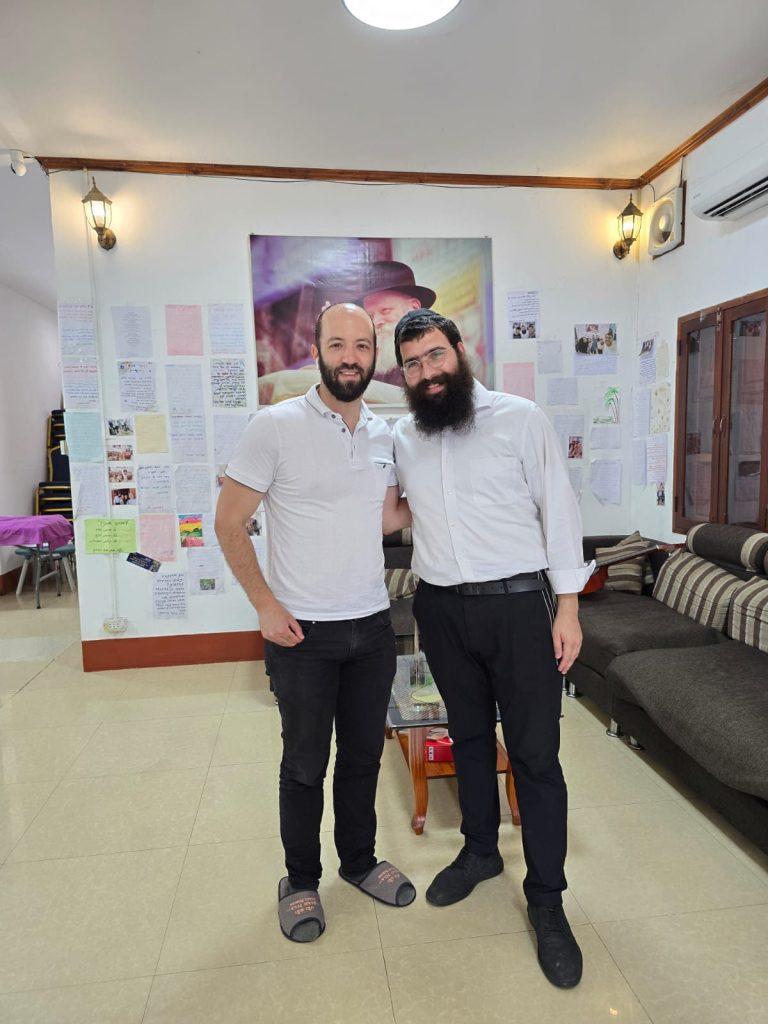
One story engraved in Benny’s heart is that of Rabbi Moishi Belinov from Laos.
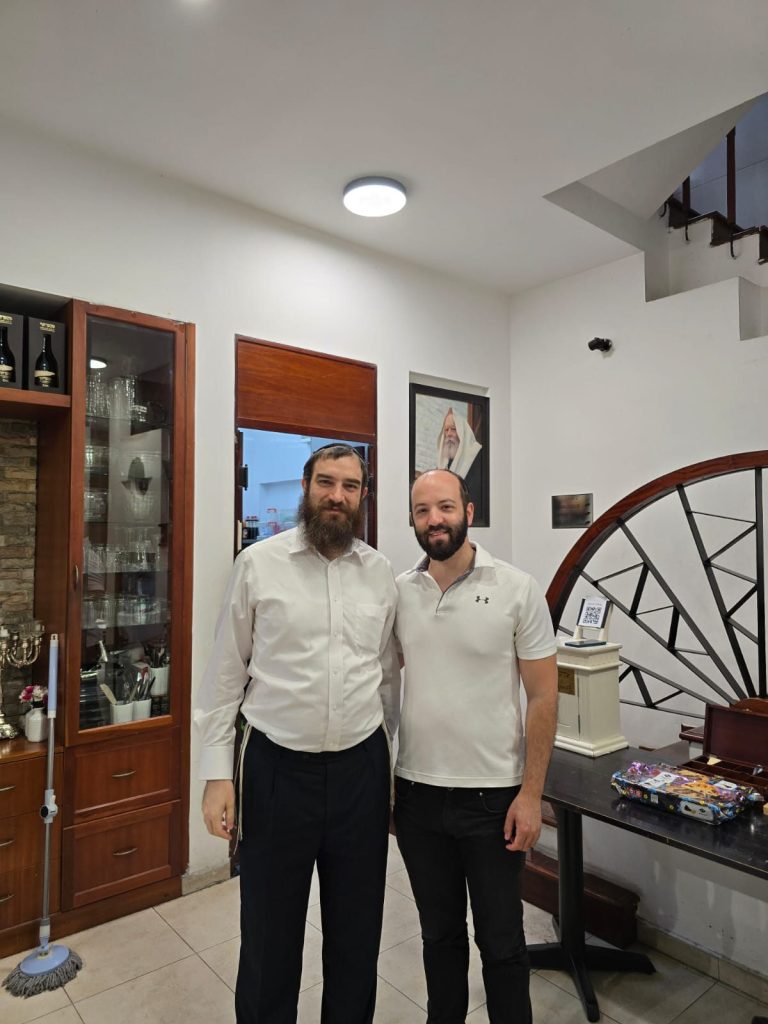
Laos is a small, isolated country in Southeast Asia, one that most people can barely find on a map. It is situated between Thailand, Vietnam, and Cambodia, far from any significant Jewish center – surrounded by tropical jungles, remote villages, and regions disconnected from the modern world.
There, in the middle of this vast emptiness, stands a Chabad House. The Belinov family has lived there for years, caring for Jews passing through the country – tourists, workers, and travelers seeking adventure in Asia. The shluchim provide them with a home, warmth, kosher food, a place to stay for Shabbos, and tefillin during the week. There are also opportunities for one-on-one Torah study…
One day, a distressing and urgent message arrived: several Jews had been injured in an accident in a remote part of the country. They were arrested by local police, and to be released they were required to pay a heavy fine in cash. Without the money, they faced an indefinite detention – somewhere with no legal representation and harsh, frightening prison conditions.
R’ Belinov didn’t hesitate for even a moment. He knew that time was working against them – every hour in custody was an hour of fear and danger. He jumped on his old motorcycle – since in rural Laos there are no trains, few comfortable buses, and often no paved roads – and headed to the nearest bank. It was a long trip, the tropical humidity heavy, and the heat unbearable. But he knew that Jews needed his help and that there was no time to lose. He withdrew the necessary funds – a large sum he might never see again – and set off.
But life doesn’t always go according to plan. On his way back, rushing along a narrow, winding road, the motorcycle suddenly skidded on a layer of gravel. In a split second, R’ Belinov found himself flying through the air and crashing hard onto the road. The fall was severe. His body was covered with deep cuts, scrapes, and bruises. Passersby who witnessed the accident called for help, and he was rushed to the nearest hospital.
Of course, it wasn’t a hospital as we know it. It was an old, neglected building with outdated, minimal equipment and no proper disinfectants. The Laotian medical staff didn’t really know what to do with him. Instead of standard antiseptics that gently clean wounds, they took a bottle of regular drinking alcohol and poured it directly onto his open wounds. One can only imagine the unbearable pain he endured at that moment – he nearly lost consciousness. The “treatment,” as it turned out, only worsened his condition. The alcohol wasn’t sterile and caused further infection.
R’ Belinov lay there, far from home and from any real medical care, his body screaming in pain. “You can only begin to grasp what they endure in those places,” says Benny, tearing up. “With poor medical care, in unsafe conditions, no proper hospitals or healthcare – it’s all pure mesirus nefesh. Every single day.”
The story didn’t end there. Despite the terrible pain and the injuries, R’ Belinov didn’t forget why he had set out. As soon as he recovered a bit, he got back to work. The Jews in trouble received the money, were released from detention, and the shliach returned to his daily work – ensuring that every Jew who arrives in Laos has a home and a warm welcome.
“It’s simply incredible,” Benny sums up. “But the shluchim keep going. They don’t think about themselves – only about their shlichus.”
Benny said that in later conversations with R’ Belinov, Moishi told him more stories – about the mikva they are building there and the activities they organize. All of it done with difficulty and with indescribable mesirus nefesh.
Changing the Story of Assimilation
From stories of physical devotion, we move to stories of spiritual struggle – no less challenging.
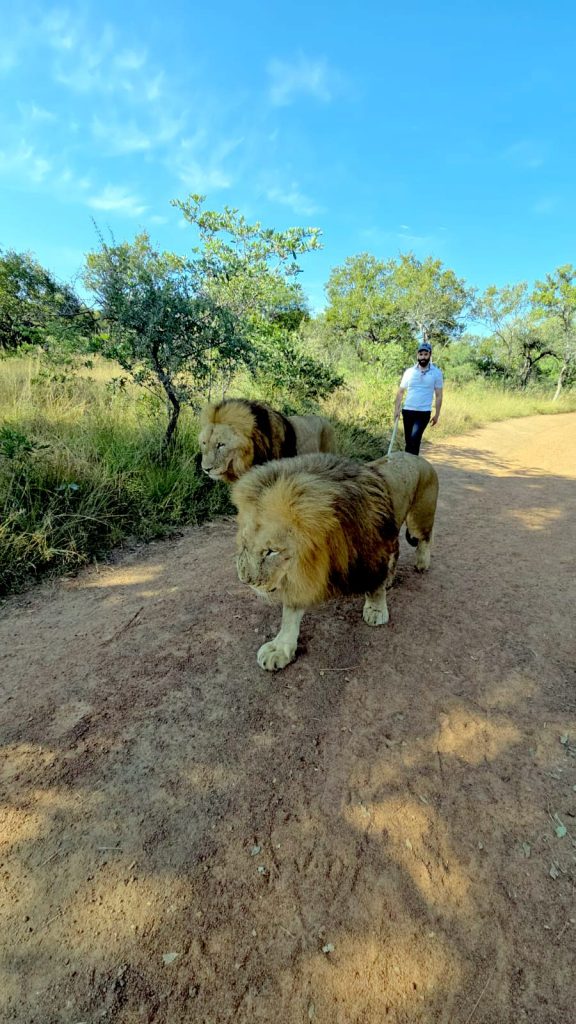
Rabbi Levi Notik from Kenya faces one of the hardest challenges a shliach can face: assimilation.
“There’s a serious plague of assimilation around the world,” Benny says gravely, “and especially in Africa. In Kenya, it’s a real catastrophe. Sadly, most of the people – Jewish men who come to work or travel – end up marrying local women. It’s not just a halachic issue; it’s a family tragedy that repeats itself again and again. Children grow up outside the Jewish people – lost souls. But Rabbi Notik doesn’t give up. He doesn’t say, ‘It’s hopeless,’ and walk away. He fights for every single soul.”
One young man had been in a relationship for a year and a half with a local, non-Jewish woman. They lived together, and their plans for marriage seemed finalized. But R’ Notik didn’t give up. He spoke with them again and again – with infinite patience. “We talked, and eventually they agreed to separate,” he recalls. “But for her, it was really hard. She was deeply attached to him, and the separation was painful. She wasn’t willing to let go completely. She asked for an option,” R’ Notik continues. “I told her that if she’s truly serious, there’s a path – conversion – but it requires total commitment.”
The shliach knew it was a gamble. He decided to help them through the conversion process but set one ironclad condition: that they take it seriously, all the way – no shortcuts, no compromises.
Now, a year and a half later, that effort is bearing surprising fruit. The woman has been in Eretz Yisrael for several months, going through a serious, genuine conversion process. “In the meantime, they’ve separated, as halacha requires,” says Rabbi Notik. “Once the conversion succeeds, with Hashem’s help, they’ll reconsider marriage – and if they do, it will be with chuppa and kiddushin k’das Moshe v’Yisrael.”
R’ Notik proudly describes the change in both of them: “He wears a kippah, keeps Shabbos and kosher – and she keeps everything too, except for one small thing – once each Shabbos she must break it to attend classes. It’s amazing to see her dedication.”
His goal is to show his local Jewish community that there is another way. “People see them and are inspired – they realize it’s possible! That’s real change.” This transformation within the community could save dozens more souls in the future.
But there are also more “broken” stories – ones that haven’t yet found a happy ending. The shluchim are there for those, too.
A Chassidishe woman from New York, a mother of several children, called R’ Notik last Sukkos, crying bitterly. “My daughter went off the derech a few years ago,” she said in a trembling voice. “She worked for a company in Kenya, met a local Kenyan man, and became his partner. She lives with him now in Kenya.”
R’ Notik understood this was another story of a lost soul. “She’s pregnant,” the mother continued through tears. “She’s due to give birth in two weeks.”
He knew he had to say something encouraging, something to give the mother hope. “Mazel tov!” he said warmly. “You’re about to become a grandmother!” The mother replied, “Yes… my first grandchild – and I don’t even know if I’ll ever see her.” But the rabbi reminded her, “At the end of the day, she’s a Jewish child.”

R’ Notik didn’t give up on that lost soul either. He developed a gentle kiruv approach. “I told the mother to send me her daughter’s address. After the birth, I sent the daughter a beautiful bouquet of flowers with a warm blessing. That was the first contact – gentle and non-threatening.”
Her initial response wasn’t encouraging. “On our first phone call, she told me, ‘Thank you very much – but no, thank you. I’m not interested in any connection with the Jewish community.’”
It wasn’t pleasant – but R’ Notik didn’t give up. He kept gently reaching out. After a while, he arranged for a full Shabbos care package – fresh fruit, Shabbos candles, fragrant challahs, cakes, and ready-made kosher food for the entire Shabbos. “We opened a kind of ‘Shifra and Puah’ branch here in Kenya,” he says with a smile. “We wanted her to know there are people who care, who want her to feel she’s not alone.”
Then, something changed. She called and said warmly, “Wow, you really made me happy! I want to come visit the community, meet people – and more than that, start feeling that I have roots, that I have a people.”
It was a real breakthrough.
“There are many stories,” says Benny Wexler, “but these are the ones hot off the press…”
Every Soul Receives Exactly What It Needs
The mesirus nefesh of the shluchim is not only seen when in difficult, primitive, or dangerous places, but also in more developed and comfortable locations. Rabbi Chezki Malka learned this in Cape Town, South Africa, in a way he will never forget.
In Cape Town, the Chabad House is always bustling and lively. “On shlichus there are busier and less busy times, but there are always Jews who come. It’s never empty,” explains Benny Wexler. “The Chabad house in Cape Town serves Israelis living in the city and Jewish tourists visiting from around the world, so there’s no such thing as an empty or quiet Shabbos.”
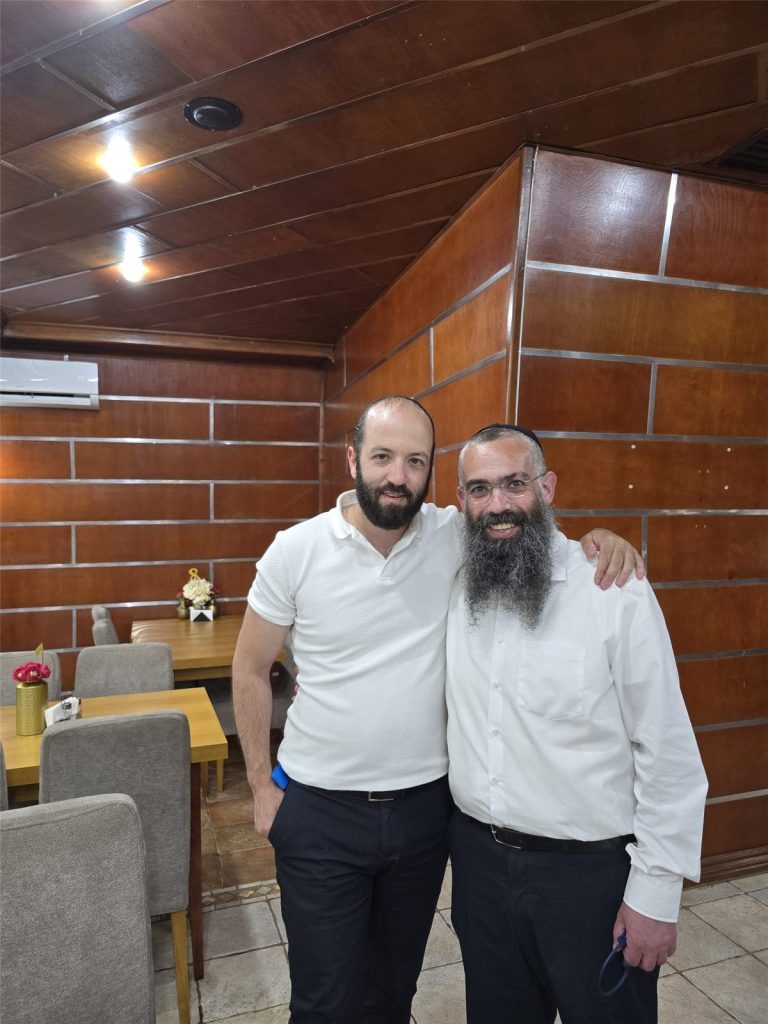
Shabbos there is always a big affair – long meals with dozens of people, singing, conversations, and the liveliness of a vibrant community.
But about a year ago, midweek, the shliach noticed something strange – the upcoming Shabbos suddenly looked very quiet. “There are no planned tourists who contacted us, no families from the community who made reservations,” he tells his wife in surprise. “I wonder what happened that it’s so quiet. Maybe by hashgacha pratis we’ll finally have quiet family time with our children?”
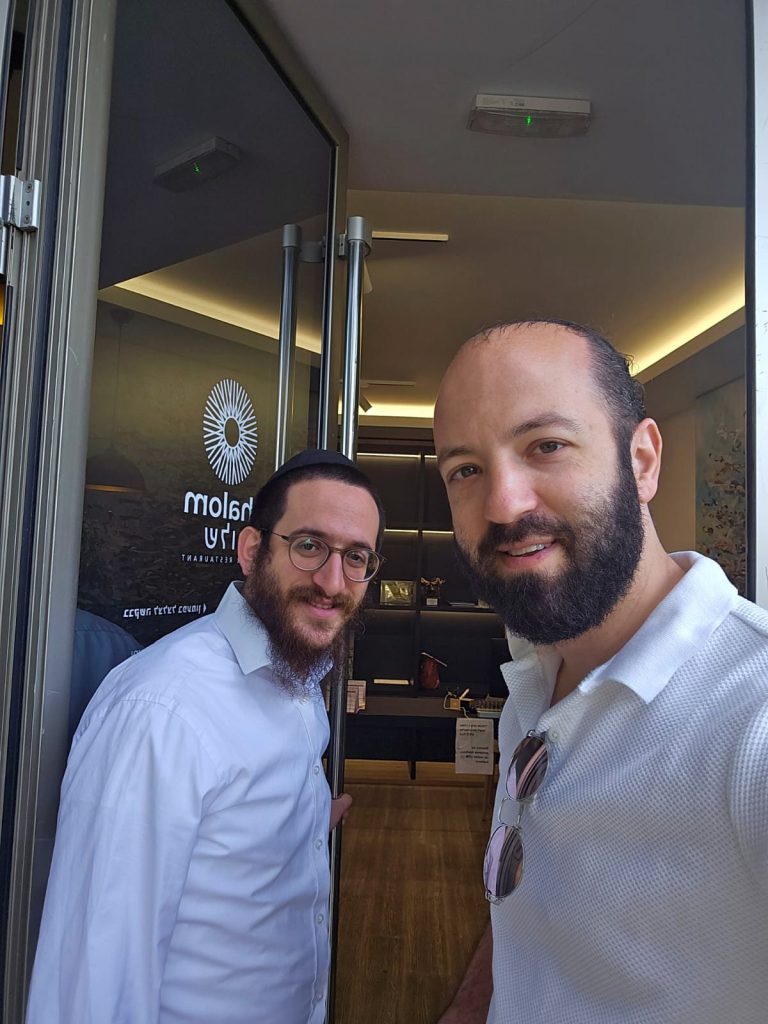
On a regular Shabbos with guests, the children feel they almost give up their parents for the guests. The shluchim therefore began to prepare happily for a small, family Shabbos that included just them and their three children.
Then, on Friday afternoon, when everything was already prepared and the anticipation for a family Shabbos was great, Rabbi Chezki Malka saw a message in one of the travelers’ WhatsApp groups that caught his eye. An Israeli girl writes: “Hi friends, is anyone in Cape Town? I’m looking for some company.” This was quite an unusual message. Many travelers write ‘who’s in the area and wants to join for traveling together?’ or ‘is anyone going to this or that place?’, but someone writing that she’s looking for company? That’s interesting, and more than that – concerning.
Rabbi Chezki showed the message to his wife, and they both felt that someone here needed attention. They decided to answer her privately: “Hi, Shabbat Shalom! If you’re interested, you can join us for a Shabbat meal at the Chabad house – delicious food and a homey atmosphere.”
The response was negative, and more than that – somewhat evasive and polite. “Thank you very much, but that’s not the company I’m looking for.” They could understand; she was probably looking for young people at clubs, not a formal Friday night with a family and small children. But Rabbi Chezki and his wife didn’t give up. Something in her message told them she needed a real connection.
“That’s perfectly fine, we understand,” they replied. “But if you’d still like to join, you’re welcome at any time. The door is open.”
At candle-lighting time, just as the Malka family was preparing to begin their quiet family Shabbos, there was a knock at the door. The girl from WhatsApp appeared, a bit embarrassed, a bit hesitant, but she came. For the first time in her life she lit Shabbos candles, participated in Kiddush, and ate a real Shabbos meal.
During the meal, the guest began to tell her story in words that came bursting out of her. She is thirty-eight years old, single, evacuated from one of the settlements in the north of Israel because of the war. “I just didn’t have the strength anymore for all the wandering, for the war, for being stuck in shelters, for being afraid all the time,” she said in a quiet, broken voice. “Everything was so heavy, so hard. So I decided to go on a solo trip to Africa, just to breathe a little, to feel free, to be far from the pain.”
Then she added a sentence that touched their hearts: “Today is my birthday. Thirty-eight years old. And it felt a bit lonely to be like this alone, celebrating alone in a foreign country, without family or friends. I thought to myself ‘let me write in the group, maybe there are other travelers and I’ll go out with them to celebrate, do something fun.’ But no one answered. You are the only ones who answered me.”
She wiped away a tear that fell, and looked at them with eyes full of gratitude. “To be honest, a Shabbat meal wasn’t really the style of experience I was looking for. I thought I wanted something completely different – loud, fun, light. But now, after this amazing meal together with you, after the feeling of home – I can’t think of another more meaningful and special way for me to celebrate my birthday. This is what I really needed, even if I didn’t know it”…
“For us, this was such a powerful and meaningful moment in our shlichus,” says Rabbi Chezki emotionally. “The Rebbe wanted to show us that we are here even for one single soul. When sometimes it seems that quantity is an important aspect of outreach – how many people came, how many meals we held, how many activities we organized, how many souls we touched – the Rebbe showed us that each and every soul needs to receive exactly what it needs. Sometimes the most important Shabbos is not the one with a hundred guests, but the one with one guest who needed exactly us at exactly that moment.”
A Surprising Shabbos in Ethiopia
A Chabad House can be found in the most unexpected places, in places where you wouldn’t even think it was possible to establish a Jewish presence. Rabbi Eliyahu Chaviv opened a Chabad House in Ethiopia. “It’s amazing to see how many souls he saved there,” says Benny Wexler excitedly. “So many Jews pass through there on their way to Africa!” The airport in Addis Ababa is a central transit point for anyone flying to Africa, and particularly for young Jews going on their big trip after the army. “There are very many young people who go to Africa to ‘celebrate life’ after the army,” Wexler continues. “They stop along the way, suddenly see a Chabad House at the airport, and Eliyahu with his big warm smile comes and gives each person personal attention, a kind word, a hug, or even a meal.”
Recently, Benny helped establish a “warm corner” in the Chabad House at the Ethiopian airport “with kosher food and drink, so there will be kosher food for anyone who stops on the long trip. Do you understand how important this is? A person who flies ten hours arrives at a transit point, hungry and tired, and has hot kosher food, a place to sit, people who care for him.”
This came at exactly the right time, because during the recent war in Israel, when many countries canceled flights to Israel, large groups of Israelis were stuck at the Ethiopian airport on Erev Shabbos. “Groups of dozens of people who didn’t know what to do,” says Benny, “and then Rabbi Chaviv organized everything for them – food for Shabbos, a place to sleep, tefillos, meals. He really saved them.”
But it didn’t end there. “On that Shabbos he also managed to connect with many young people and be mekarev them to Judaism,” says Benny. “There were girls there who probably hadn’t lit Shabbos candles in years, guys who hadn’t eaten Shabbos food on Shabbos, let alone songs… and suddenly they find themselves in a real Shabbos, with a shliach who speaks their language and shows them that Judaism is not something frightening or distant, but something warm and real. Many of them returned home with a new connection to their Judaism.”
And Suddenly the Yacht Arrived…
One of the most moving stories Benny heard comes from Iceland, the frozen and isolated island in the north of the Atlantic Ocean. Iceland is surrounded by giant glaciers and at the same time massive volcanoes, some of them active; its wild landscapes are breathtaking.
Iceland has only a few hundred thousand residents, far from any Jewish center, with long cold winters, and very difficult living conditions. The shliach there, Rabbi Avrohom (Avi) Feldman, whom Benny met and got to know personally, lives in a small house in the city of Reykjavik with a large family and a community that comes to him regularly – as well as tourists, local Jews, and business people working in the area. “He desperately needed a new building,” says Benny, “because the community was growing and his home was too small to contain everyone. There was nowhere to hold the activities.”
After lots of searching, he finally found a suitable building, in an excellent location and the right size. But the problem was that there was also a competitor for the building, and the property owner requested a quick decision. “To grab this building before someone else buys it, he had to arrange a very large sum,” says Benny in astonishment, and the shliach had no way of obtaining such an amount. He had no wealthy donors, he had no Chabad House fund, and the local community was small and couldn’t provide money on such a scale.
“He only had a day or two to finalize a decision. It was to be or not to be, because if he doesn’t buy now – there are no more places to take there, and it will take many more years until he finds another suitable house.”
And then the miracle happened – a miracle that sounds like a story from past generations, but it happened just a few months ago.
The shliach’s home is located right across from the sea, “where yachts of tourists and wealthy people visiting Iceland anchor,” Benny describes. “On that day, or perhaps the day after he received the ultimatum, he looked through the window and simply didn’t believe his eyes. A huge and luxurious yacht stopped right in front of his house, very close to the shore, from which emerged what appeared to be a Russian oligarch. The man approached the Chabad House, looked around to confirm the location and asked: ‘I heard there’s a Chabad House here?’”
The incredulous shliach invited him into his home. They began to chat, and the guest told about himself. He is a Jew from Russia who made an enormous fortune in business, and now he travels the world in his private yacht. “I always look for Chabad Houses,” he said. The shliach told him a bit about his activities, about the community, and then – almost hesitantly – mentioned the need for a new building and the pressure he was under. The guest’s response was direct, and amazing: “No problem. How much do you need? Tell me the amount and I’ll transfer it to you. Take the house, buy it, make it into a beautiful Chabad House”…
“This is a story that sounds like stories about tzaddikim of old, but it happened right now, in our time,” Benny tells me. “How does it happen that on that very day, at that very hour, a yacht stops in front of him, and someone comes out who wants and can help?!”
In Cambodia They Discovered…
Sometimes the biggest and most meaningful moments come in the simplest and most unexpected way.
In Cambodia, a small Buddhist country in Southeast Asia, which most people know mainly from the terrible stories about the “Khmer Rouge” regime and the terrible massacre that happened there, there is a Chabad House, run by the shliach Rabbi Bentzion Butman. “I was shocked that there’s even a Chabad House in such a remote hole,” Benny admits in astonishment, “but there is. And there’s a shliach there who cares for every Jew who passes through”…
One day, almost by chance, two elderly people, about sixty-seventy years old, walked into the Chabad house. They were tourists traveling in Asia and saw the Chabad House sign, and entered out of curiosity. “For the first time in their lives they put on tefillin,” says Benny. “Understand – seventy years they lived without any connection to Yiddishkeit, and suddenly, in Cambodia, in the most unexpected place in the world, they discover their Judaism. It was amazing to see their excitement, the tears and the sudden connection to their roots.”
This is no accident. This is a direct result of entire families who left everything and came to such “holes” in the world – so that no Jew would be left alone, even a Jew who wasn’t looking and didn’t plan to find his way back to his people.
No Place Is Too Far
“I have many stories,” says Benny again and again during the conversation. “If I collected all the stories I heard and encountered in the last eight years, I would come up with hundreds of stories.”
He regrets not starting to document all this earlier, not recording conversations, not writing things down for himself immediately after each visit. “I’m in touch with many of the shluchim to this day,” he says, “I was exposed to their activities on a personal level. We had many deep conversations. I learned about their lives, about the challenges, about the joys in their lives as well as the day-to-day difficulties.”
He talks about shluchim not only in America or developed Europe, but also in South Africa, in Africa, in South America or in the Far East. “There are places that are ‘holes’ – and I mean places that really have nothing – even there I met amazing shluchim. Even in Indonesia, the largest Muslim country in the world, there’s a Chabad House! Everywhere I was, I went to personally meet the shluchim, to hear their stories and to understand how they live.”
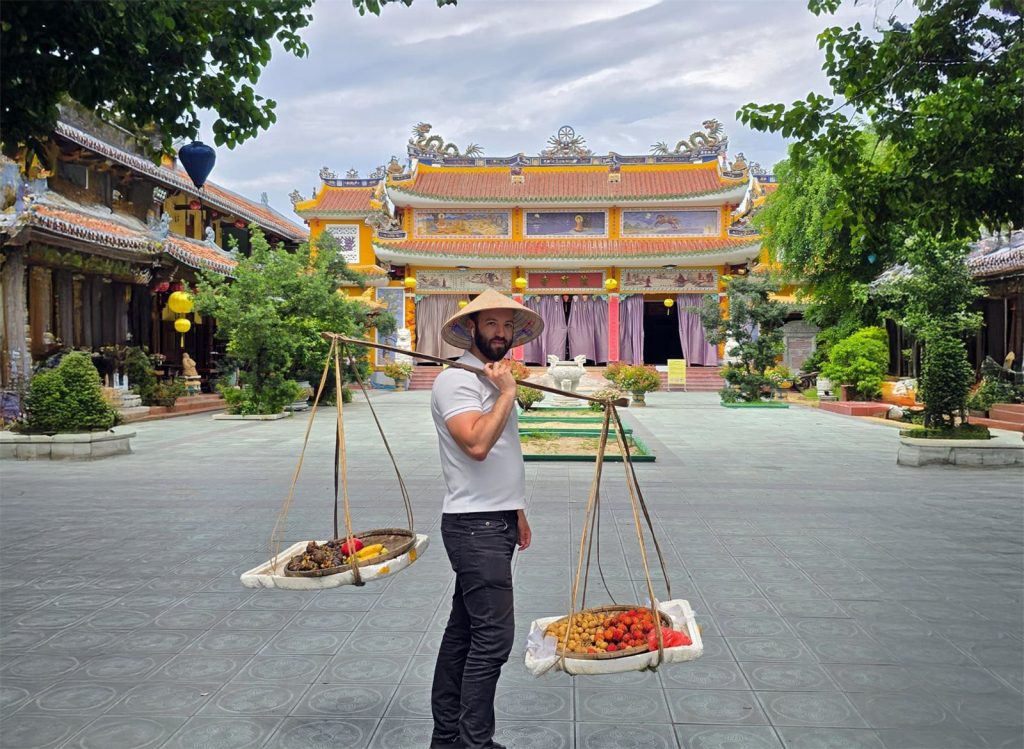
When Benny Wexler travels around the world, organizing kosher trips for others, he does it with understanding and awareness: no place is too far, no place is too problematic – because everywhere there’s a shliach waiting.
And Benny, continues to photograph, to document, and to tell these stories – so that we too, who don’t fly to 114 countries, will know and appreciate this incomprehensible mesirus nefesh.
One hundred and fourteen countries. Over a hundred Chabad Houses that Benny visited and hundreds of stories that sound like pages from tales of tzaddikim. Behind each one – a person, a family, who left everything, fulfilling “Lech Lecha” in their body and soul, and turned the entire world into one big home.
THEY NEED ENCOURAGEMENT
There is a letter that the Rebbe wrote in 5739 to someone who expressed amazement by the work of the shluchim in France:
“I received your letter … and many thanks for writing me your impressions of the askanei Chabad you met during your visit to several cities in France.
“Needless to emphasize, they deserve and need encouragement since they fulfill as it says, ‘Lech Lecha from your land, your birthplace, and your father’s home,’ in a foreign country and foreign language, under difficult conditions etc. on shlichus mitzva to spread Judaism, Torah and its mitzvos in forsaken places as far as the Judaism there.
“I express my strong hope that you are doing all you can to encourage the Chabad askanim in Eretz Yisrael too, including those in Yerushalayim the holy city.
“Although the situation there is not as dire, G-d forbid, as in the country that you visited and those similar to it, they still need encouragement and chizuk, especially as Chazal say that a stain (i.e. dirt) on the garment of a ‘Torah scholar’ (i.e. Eretz Yisrael) is most serious and unlike when it is found on a garment of an ‘ignoramus’ (i.e. outside of Eretz Yisrael), and the nimshal is understood.”
Beis Moshiach #1484 • pp. 10-23
© 2026 Beis Moshiach Magazine. All rights reserved.
This article originally appeared in Beis Moshiach #1484. You are welcome to share it with friends and family by email or in print, provided that you do not change, add to or omit any part of it, you credit the author and Beis Moshiach, and you include a link to archive.bmoshiach.org (written out in full in printed copies).
To republish this article in a newspaper, magazine, book or website, please request permission in advance at [email protected].