Remembering Mrs. Bracha Levertov
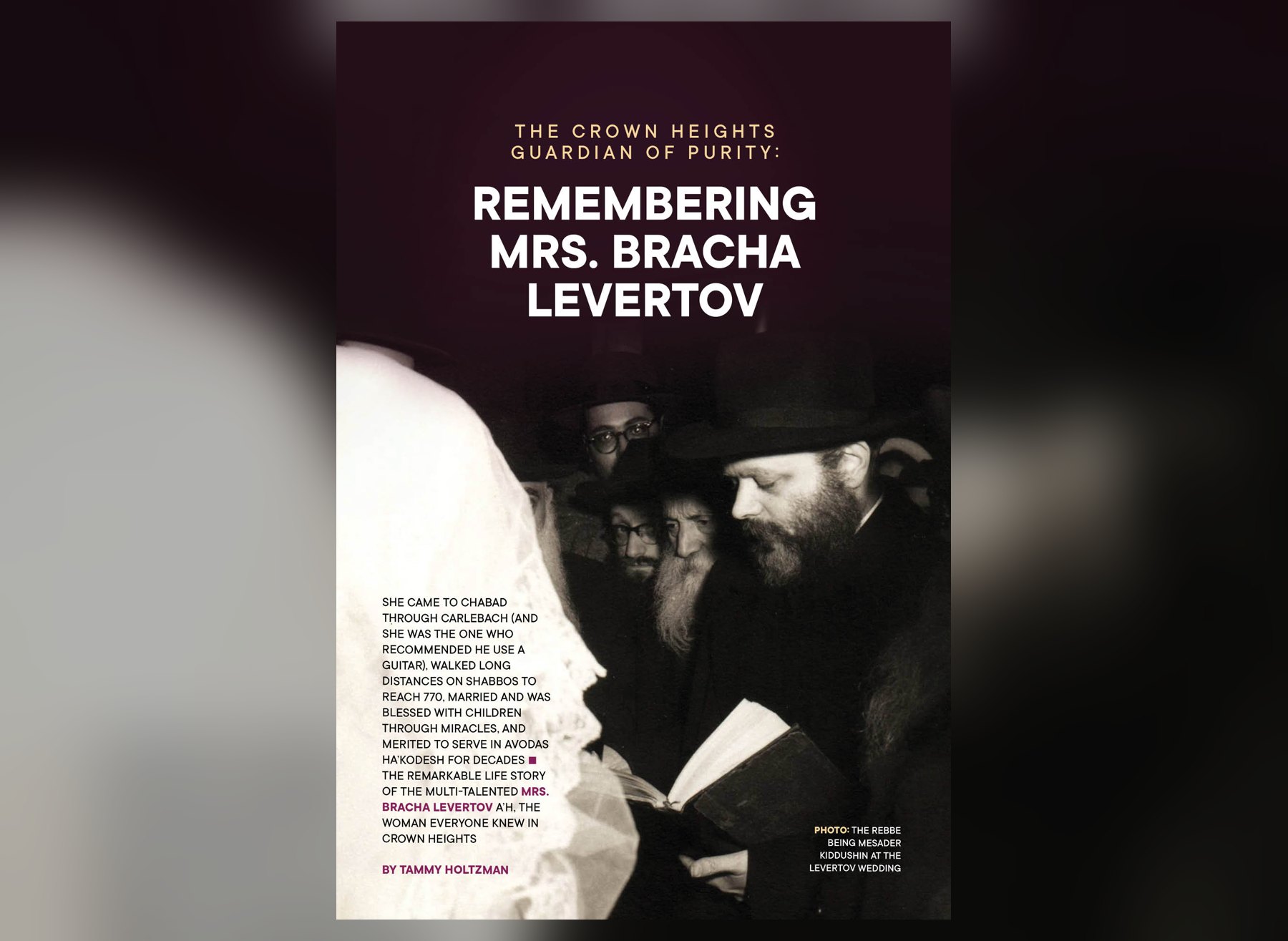
She came to Chabad through Carlebach (and she was the one who recommended he use a guitar), walked long distances on Shabbos to reach 770, married and was blessed with children through miracles, and merited to serve in avodas hakodesh for decades. The remarkable life story of the multi-talented Mrs. Bracha Levertov a”h, the woman everyone knew in Crown Heights
For many years, Mrs. Bracha Levertov served as an employee at the mikva on Union Street in Crown Heights. With her warm smile, her gracious personality, she welcomed each person as an honored guest, and created an atmosphere of calm and peace, as if each visitor was the only one who had come that day and she had all the time in the world for them.
Whether you were a neighborhood resident or came as a guest, whether she knew you or not, her pleasant and warm demeanor was directed to everyone equally.
The Journey to Chabad
Mrs. Bracha Levertov was born on the 29th of Nissan, 5694 (1934). Her parents, Aaron and Esther Muskal, emigrated from Hungary after World War I and settled in the South Bronx, where they raised four children in the way of Torah and mitzvos. Although many Jews at that time sought to leave behind the customs of the old world and assimilate into American culture, the Muskal family held firmly to their faith and traditions. Aaron worked as a glazier, and his independent profession allowed for Shabbos observance. Esther, who came from a Chassidic background, insisted on sending the children to Jewish schools to preserve the Jewish spark in materialistic and free America of those days.
In those years there were few yeshivas in America, and for those seeking authentic Judaism, there weren’t many options. Certainly not the ‘luxury’ of choosing between purely religious institutions. Therefore, Esther sent her son Yosef Shaul to the Lubavitch Yeshiva on Bedford and Dean, on the advice of the Kossoner Rebbe, Rabbi Pinchas Sholom Rottenberg. The daughters studied at Bais Yaakov and had American names in addition to their Jewish ones.
This was the beginning of the family’s journey to Chabad. Malka Sarah, Bracha’s older sister, married a Chabad Chassid named Chaim Aaron Kuperman, and Bracha herself came to know Chabad through Shlomo Carlebach.
In the early 1950s, Bracha (Bernice) was a girl in Bais Yaakov high school. The Rebbe had just accepted the Chabad leadership and was passionately involved in bringing Jews closer and encouraged others to do the same. Shlomo Carlebach, who was then connected to Chabad, began giving Torah and Chassidus classes to a group of non-religious students. Bracha’s friend joined the group and convinced Bracha to join as well.
At Bais Yaakov, when they taught Bracha about the importance of keeping Torah and mitzvos, they always emphasized that if a person commits a sin, they would be punished and burn in Gehinnom. Bracha would pass by stores that were open on Shabbos and feel compassion for their owners, thinking about how they would suffer in Gehinnom. She wanted to bring them closer to Torah and mitzvos but didn’t know how. After hearing about Shlomo Carlebach’s charismatic personality and his ability to speak with people once and inspire them to become baalei teshuvah, she decided to see for herself how he did it.
Bracha joined Carlebach’s study group and was immediately captivated by the magic of Chassidus. She and her friend were more knowledgeable in Torah than most students in the group, but they had never been exposed to the deep perspective that Chassidus provides. The focus on the positive awakened in Bracha a desire to learn more and more. Since Bracha was frum, Shlomo Carlebach asked for her help in recruiting friends to their study group. He gave her phone numbers of people. Bracha not only learned Chassidus for the first time but also participated in Jewish outreach activity.
Incidentally, it was at her encouragement that Carlebach incorporated his guitar to attract people to Judaism through the power of music.
First Yechidus
In 1952, Shlomo Carlebach brought the entire group to a yechidus with the Rebbe. When the group entered the room, the Rebbe gave each person a penetrating look. His gaze was so intense that Bracha had to avert her eyes. The Rebbe spoke briefly about the parsha and concluded by saying that each of them needed to share their Torah knowledge with other Jews and encourage them to fulfill mitzvos.
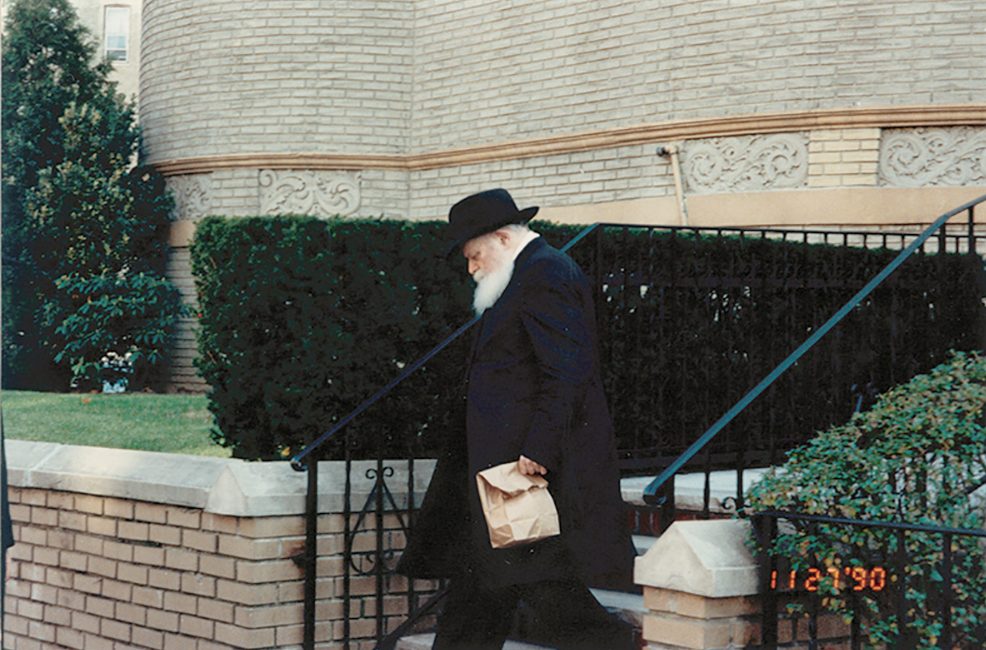
Bracha was stunned. She thought to herself: “These people know nothing and barely keep mitzvos! How can they share their Torah knowledge if they barely have any?” Only years later, when Bracha herself became a Chabad Chassid, did she truly begin to understand the Rebbe’s empowering philosophy. The Rebbe sees the potential in every Jew, regardless of how much Torah they know, to make a change in their environment. Even if they only know the letter Alef, they can and must pass that knowledge on!
Bracha left the yechidus feeling that something had awakened deep within her. The Rebbe had given her a vital mission, and she was eager to fulfill it. She and her friend wanted to retrace their steps to the Rebbe’s room to ask for guidance on how to proceed, but were told that once you leave the Rebbe’s room, you don’t go back in. Someone advised them to speak with the Rebbe’s secretary, Rabbi Chaim Mordechai Aizik Chodakov. Rabbi Chodakov was a brilliant person and faithful Chassid of the Rebbe. They approached Rabbi Chodakov, and Bracha, choked with emotion, said: “The Rebbe told us to reach out to other Jews, teach them Torah, and share our knowledge, but I feel so inadequate! I have no talents!”
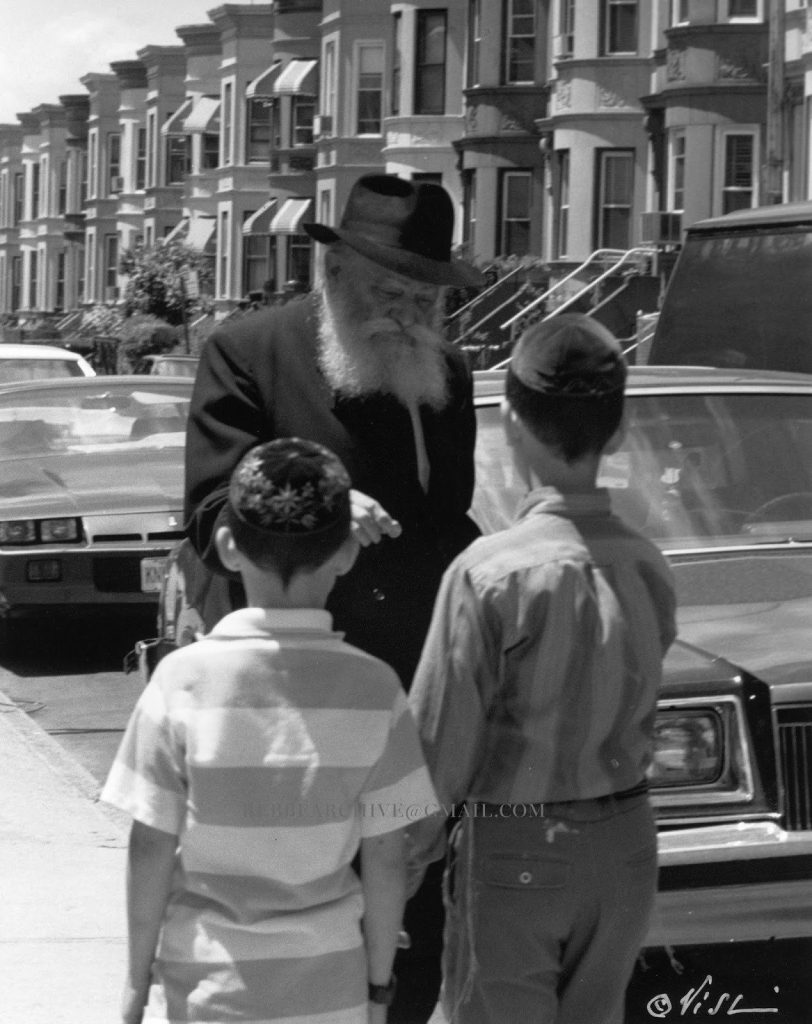
Rabbi Chodakov answered her in Yiddish: “Dig deep within yourself and you’ll find the wellsprings.”
Bracha’s friend said to Rabbi Chodakov: “I actually feel confident, and I feel I have enough knowledge.” Rabbi Chodakov answered her: “When you finish school and go out into the big world, that will be the test of how much knowledge you really have.”
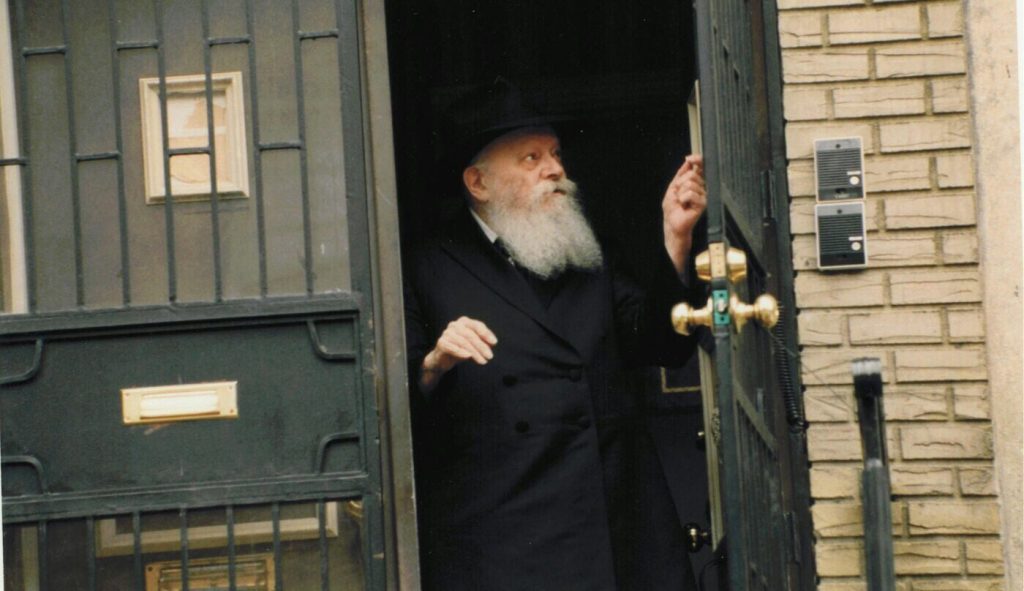
In those days, small farbrengens were held in the small upstairs zal, with the adjacent room reserved for women. At one of the farbrengens that Bracha attended, walking from Williamsburg, she felt that Rebbetzin Mentlick and Rebbetzin Katz (two sisters whose husbands were the roshei yeshiva and the gabbai of 770 respectively) were examining her from head to toe. They began asking her various questions and were happy to hear that she was open to wearing a sheitel and marrying a man with a beard. In the 1950s, most American girls didn’t want to cover their hair with a wig or marry men with beards. There was a shortage of girls who would be good matches for the bachurim of 770.
Bracha’s brother, Yosef Shaul, studied at the Lubavitch yeshiva in Pittsburgh, Achei Tmimim, founded by Rabbi Sholom and Rebbetzin Chaya Posner. Moshe Levertov was the mashgiach there. Yosef Shaul was impressed by Moshe, and when he came home for summer vacation, he told his sister that he had found the best bachur for her. “He is so kindhearted, so wise, so Chassidish, dedicated and caring,” Yosef Shaul would say. “On Shabbos afternoon, he encourages the boys not to sleep and instead studies Likkutei Torah with them.” Bracha was convinced about Moshe even before meeting him. However, at that time she was already meeting someone else and she had to decide about that bachur first.
Bracha was confused about the young man she was meeting. She went into yechidus to consult with the Rebbe about the matter. The Rebbe asked her: “How do you feel about him?” She answered: “What I appreciate about him is that he’s a Chassid and learned, but I’m still not sure about how I feel…”
The Rebbe then asked: “Perhaps it’s because he’s not one who plays ball?” (Perhaps the Rebbe was hinting that he wasn’t a typical American boy who plays baseball).
The Rebbe continued: “Well, you can meet him again. The fourth time isn’t like the third, and the fifth time isn’t like the fourth.” But even after meeting him again, Bracha still wasn’t sure, although the young man already wanted to ‘close the deal.’
Bracha wrote to the Rebbe, asking whether to accept the young man’s proposal, leave him, or try meeting someone else as well. The Rebbe emphasized the words “as well,” and this led her to initiate a meeting with her future husband, Rabbi Moshe Levertov. There she felt no hesitations.
During their meetings, they once went to the Bronx Zoo. It was during Sukkos, and Bracha offered people they met to perform the mitzva of lulav… That’s how R’ Moshe understood that this was a girl who was suited to the lifestyle he was seeking.
During the period before the wedding, Moshe and Bracha sent letters to each other. In his letters, Moshe taught Bracha Chassidus.
The Levertovs married on the 9th of Adar, 1955. They wanted the Rebbe to officiate at their wedding. All the halls in the neighborhood were small, and if the Rebbe wasn’t officiating, most couples would hold their weddings outside of Crown Heights. However, the Rebbe didn’t rush to inform Moshe and Bracha if he would conduct their chuppah. Moshe and Bracha waited, meanwhile not booking a hall or printing invitations. Only two weeks before the wedding did the Rebbe answer affirmatively, to their great joy. They then organized a wedding within two weeks (their wedding was held in the building that now serves as a kindergarten across from the Eshel building on Kingston Avenue).
“I Feel Sorry for Her”
After the sheva brachos, the couple moved to Pittsburgh. Moshe continued his work at the yeshiva and Bracha taught in kindergarten at Achei Tmimim, ran Shabbos parties, and also founded Bnos Chabad. Although they lived in a tiny apartment, they regularly hosted guests.
When three years passed, and they hadn’t yet been blessed with children, the couple went to a doctor for consultation. The doctor told Bracha that the solution to the problem involved giving up the laws of taharas ha’mishpacha. Bracha refused to accept the verdict. “I feel sorry for her,” the doctor told a mutual acquaintance. “She’ll never have children because she insists on keeping these laws.”
During a yechidus, when Bracha raised the matter with the Rebbe, the Rebbe gave her a small siddur as a blessing for children. Bracha guarded this siddur with utmost care. She didn’t allow anyone else to use it, to prevent wear and tear, and davened from it every day for many years – even after her children were born – until it completely fell apart.
1957 brought a chain of unfortunate events to Moshe and Bracha’s lives. A Sefer Torah fell to the floor in their shul, Shortly after, the adult division of the yeshiva in Pittsburgh closed due to lack of funding. Moshe and Bracha returned to New York and went to live in Bracha’s parents’ home while Moshe began looking for a job. On Shabbos, after they arrived in New York, Bracha developed severe appendicitis. Her father, Aaron, was seized with fear remembering how his sister Rachel had died from appendicitis because she refused to go to the hospital on Shabbos. Moshe, as a talmid chacham, said it was absolutely permitted to call a doctor and travel by ambulance to the hospital because of pikuach nefesh. Indeed, Bracha was successfully operated on and the appendix was removed in time.
Moshe and Bracha went into yechidus shortly afterward and told the Rebbe about their low spirits, feeling depressed from all the unfortunate events and from still not having children. The Rebbe asked Bracha: “Did you need your appendix?” Bracha was surprised by the question but answered “No.” The Rebbe said: “Just as Hashem took out something you don’t need, He can put in something you do need!” Shortly after came the pregnancy with her first son, Yosef Yitzchok.
After having two children, she again encountered difficulties. However, she didn’t want to burden the Rebbe and ask for another bracha when she had already received an enormous bracha and merited to have two children. Her sister suggested that she consult with Dr. Avraham Abba Seligson, the doctor the Rebbe had recommended when she previously sought a bracha for children. Bracha decided to ask the Rebbe if she should go to Dr. Seligson again. The Rebbe answered: “Why do you need to go to a doctor? The Eibeshter can help.” And so Bracha didn’t visit the doctor, and shortly afterward she conceived without medical intervention, and her daughter, Chana, was born.
Bracha and Moshe eventually had five children, all of whom are now the Rebbe’s shluchim.
“Everything That Could Happen, Happened”
Mrs. Levertov has identical twin cousins, Rosie Indig and Sylvia Kaminsky, who were responsible for the mikva in Bensonhurst, Brooklyn. They were her role models, and Mrs. Levertov decided to follow in their footsteps and joined the committee when renovations began at the mikva in Crown Heights, on Union Street. She offered her services as a substitute supervisor, and a few years later, in 1982, was asked to fill the position full-time.
Mrs. Levertov remained in her position for over 30 years. Her smile and warmth helped countless women fulfill the mitzva with joy and ease, and she had the special honor of preparing the place for the Rebbe whenever he used it in the mornings.
When Mrs. Levertov was offered the position, her husband, R’ Moshe, initially hesitated. He decided to ask the Rebbe, and the Rebbe directed them to ask a rabbi. R’ Moshe went to Rabbi Zalman Shimon Dworkin, the rabbi of Crown Heights who was also responsible for the mikva, and expressed his concerns. “On the contrary!” said Rabbi Dvorkin. “Look at Mrs. Riva Geisinsky from East New York, who merited wonderful matches for her children! The prestige of the position depends on you!”
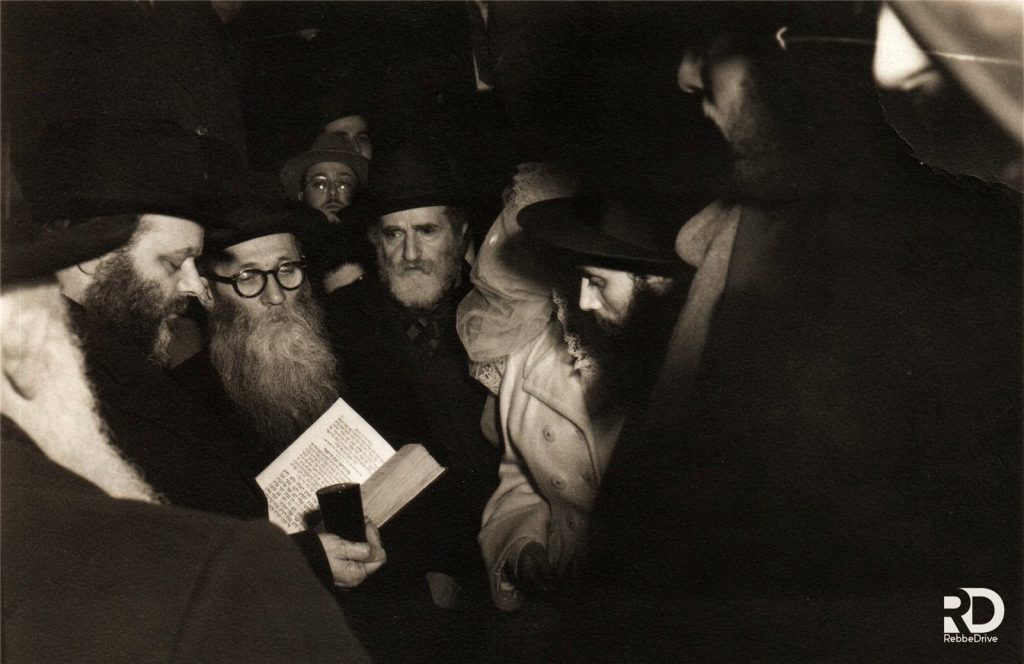
And so Bracha Levertov became a permanent worker at the mikva.
The Rebbe asked Mrs. Still, who worked there in those days, to always allow anyone (who couldn’t afford the payment) to use the mikva. Since the Rebbe’s request, Crown Heights has maintained a policy of keeping prices low and allowing every woman to visit the mikva, whether she can pay or not.
She devoted herself to her role, coming to her shift in rain and snow, and sometimes in the middle of the night, all for the sake of peace and purity in Jewish homes.
Many shluchos who manage mikvaos in their places of shlichus say that Mrs. Levertov is the role model who showed them how to treat women who come to the mikva.
Significant halachic questions often arose. As Mrs. Levertov says, “Everything that could happen, happened.” Bracha always remained calm and supported the woman throughout the process. She would call the Rav to present the question and solve the problem, and in most cases, the woman was told to proceed. On Shabbos and Yomim Tovim, Mrs. Levertov would walk to the Rav’s house or look for one of the rabbanim in 770 to ask questions face-to-face. Mrs. Levertov said she learned more from the practical questions than from all her initial training and education for the role.
When she first began working there, she worried about the spiritual implications of making a mistake. She discussed her concerns with her nephew, R’ Shmuel Gurevitch, director of “Beis Rivkah” in Melbourne, Australia. R’ Gurevitch reassured her that if a person sincerely dedicates themselves to working for the community, Hashem sends an angel on their shoulder to help them. Mrs. Levertov felt since then that the angel was indeed on her shoulder and assisted her.
She always felt that being in charge was a great privilege, as she could help so many women observe taharas ha’mishpacha. With love and dedication, she invested all her time and efforts in the place, and for many years took care of its maintenance. Rabbis’ visits, renovations, or repairs – she was there. She conducted countless tours and explained the importance of family purity to hundreds of individuals and groups. She lectured on various aspects of family purity at many Chabad women’s events and for different shluchos worldwide. Mrs. Levertov was mentioned in the book Holy Days by Lis Harris in her description of Crown Heights.
One Friday night, when Mrs. Levertov was crossing the street on her way to the mikva, she was involved in a car accident and was injured. Some time after the accident, she was approved for compensation from the insurance company. She dedicated part of the money to help fund a new mikva center in Santa Fe, the capital of New Mexico, where her son, Rabbi Berel Levertov, serves as a shliach. She gave him a large portion of the compensation money and indeed, a beautiful mikva was built there!
The magnificent center built by the Levertov family was designed like a classical style building, with murals of Jewish women throughout history on the walls. During the day, many visitors, including non-Jews, come to tour the beautiful place.
The Greatest Privilege
Mrs. Levertov felt that her greatest privilege was preparing the mikva for the Rebbe and opening the door for him when he would arrive. She also opened the door for him when he was ready to leave. She was instructed not to speak to the Rebbe upon his arrival or departure, as the Rebbe had special kavanos when going to the mikva and should not be disturbed. After renovations at the mikva, Bracha Levertov kept tiles from the area the Rebbe had used and made sure some were installed in the renovated place, and gave the rest to many other mikva centers as a segula.
Additional Activities
Mrs. Levertov was president of N’shei Chabad in New York for a year. She was also involved in Mivtza Kashrus and kashered many kitchens. She demonstrated how to kasher chicken at various schools including Machon Chana and a yeshiva in Maryland. She visited Jews in prisons, went on mivtzaim and gave Torah classes to women over the phone. She was also active in the Chevra Kadisha.
Once, in the 1960s, Bracha stood with her children in the women’s section of 770, to the side. Since her young children were making noise, she moved them away from where people were davening. While standing aside, Rebbetzin Chana arrived. The Rebbetzin looked somewhat rushed, presumably wanting to make it in time for kerias ha’Torah as was her custom, and asked to pass through. In those days, the women’s section was small and crowded, and Bracha, seeing that the women were standing closely together and not noticing that the Rebbe’s mother had arrived, understood that something needed to change.
Mrs. Levertov encouraged everyone to stand up and make way. From then on, every time Rebbetzin Chana came to shul, Bracha reminded everyone to stand in her honor, and a path was always opened for her passage.
Once, the Rebbetzin walked into a N’shei Chabad convention. Her place was set at the head table. But when she entered, nobody noticed her. Bracha, upon seeing the Rebbetzin, stood in her place and asked her table mates to stand, saying, “The Rebbe’s mother has arrived.” She also asked this of those sitting at the adjacent table. The rest of those seated in the hall saw what was happening and stood up as well. Rebbetzin Chana looked around, surprised, and was visibly moved by the gesture. From then on, it became a custom, every time the Rebbetzin entered, all those present would stand in her honor.
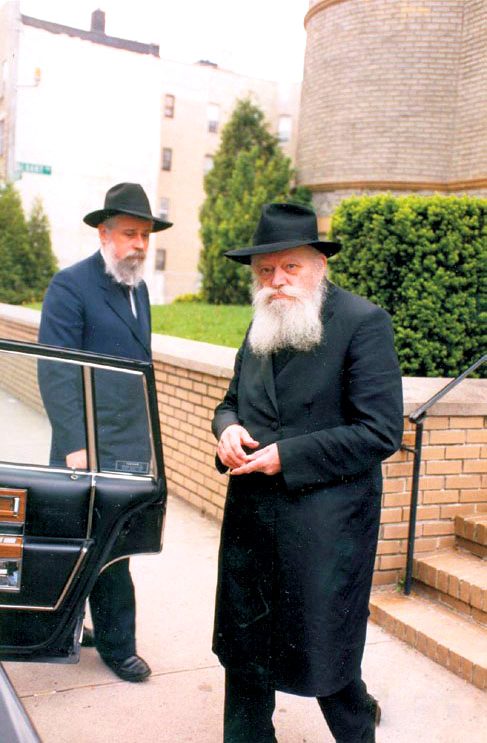
One Yom Kippur, the Rebbetzin struggled to make her way through the women who didn’t notice her arrival. In the process, one of her shoes fell off her foot. Everyone mobilized to search for the shoe, and Bracha found it. She pushed her way toward the Rebbetzin and gave her the shoe. A big smile appeared on Rebbetzin Chana’s face and she blessed Bracha: “May you merit long life!”
About two months ago, Mrs. Levertov passed away at a ripe old age, fulfilling the Rebbetzin’s blessing. She never complained, always had a smile on her lips and a kind word in her mouth. Even in the ambulance on the way to the hospital, she sang to herself.
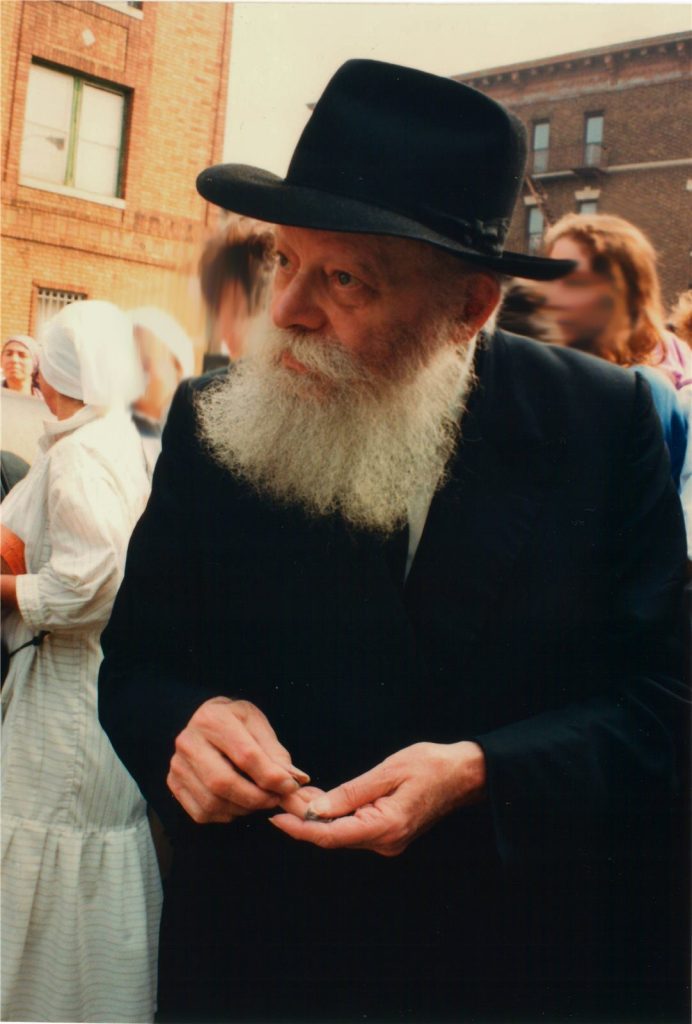
May the memory of a woman who brought so much light to so many women be blessed.
Our thanks to her daughter Elka Matusof for relating these events.
Beis Moshiach #1445 • pp. 44-51
© 2026 Beis Moshiach Magazine. All rights reserved.
This article originally appeared in Beis Moshiach #1445. You are welcome to share it with friends and family by email or in print, provided that you do not change, add to or omit any part of it, you credit the author and Beis Moshiach, and you include a link to archive.bmoshiach.org (written out in full in printed copies).
To republish this article in a newspaper, magazine, book or website, please request permission in advance at [email protected].