Have Your Matza and Eat It Too
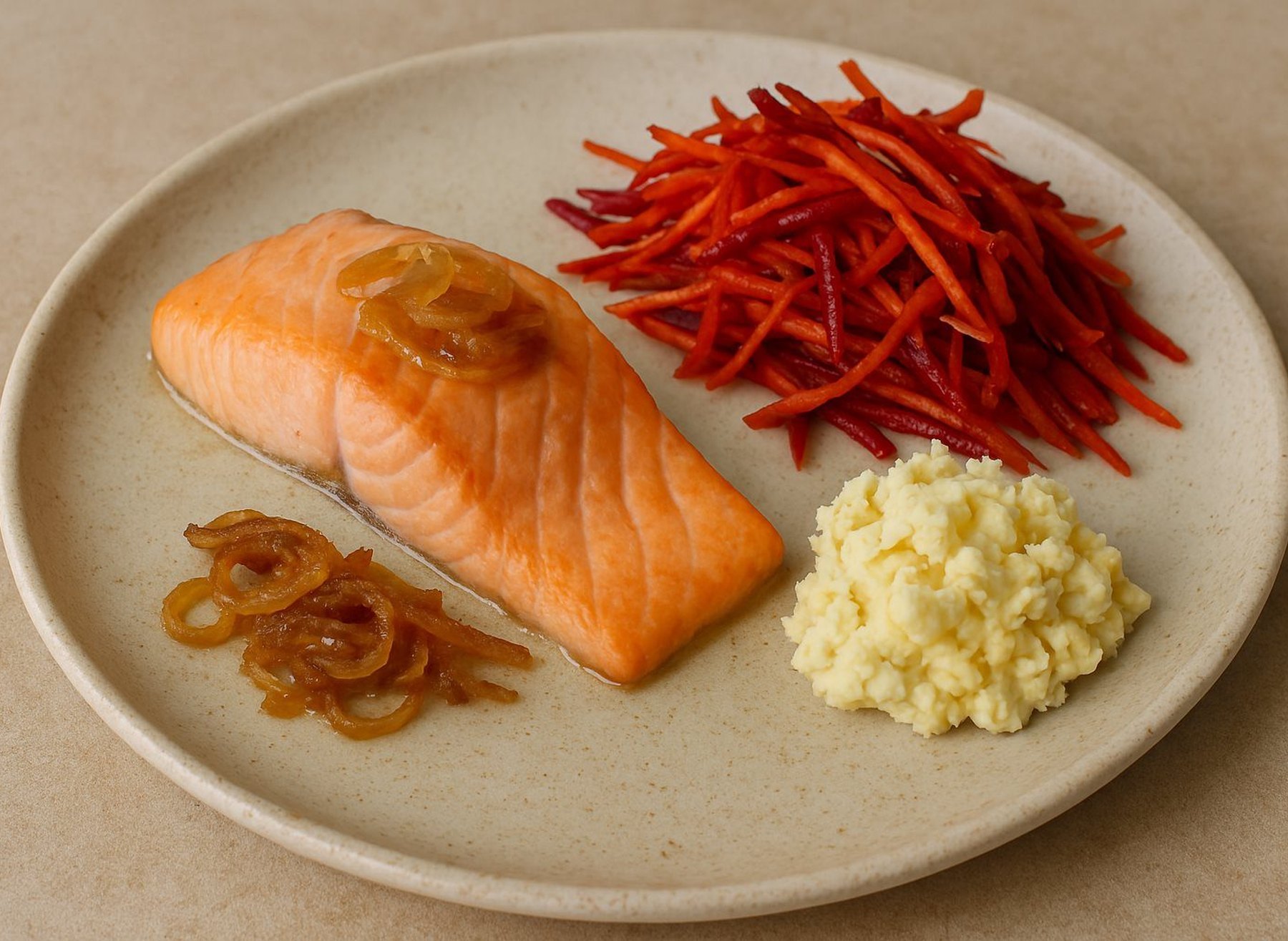
Pesach brings with it an abundance of Yom Tov meals, traditional foods, and lots of family time. Alongside all that abundance, many people find themselves ending the holiday with a few extra pounds.
The good news? You can enjoy everything Pesach has to offer – without giving up the fun and without gaining weight. It all starts with the right mindset and a few simple principles that will help you get through the holiday feeling light and energized.
1. Keep Regular Meals
During Pesach, our daily schedule changes – and so do our eating habits. Sometimes we skip breakfast and then arrive at the Yom Tov meal extremely hungry. This often leads to uncontrolled eating. The secret is to maintain a structured eating routine:
Start your morning with a nourishing breakfast that includes vegetables, cheeses, and eggs. If you wish to wash and eat bread in the traditional manner, you can eat a k’zayis of matza.
It’s important to eat every 3–4 hours to prevent energy crashes and unplanned snacking. Listen to your body and eat until you feel satisfied – but not stuffed.
2. More Protein, Fewer Carbohydrates
Protein is key for long-lasting fullness and maintaining muscle mass. During Pesach, there are plenty of delicious and varied options:
Meat and fish: chicken, lean beef, turkey, salmon, tuna.
Eggs are an excellent and accessible source of protein.
Low-fat dairy products (for those who eat dairy on Pesach): cottage cheese, white cheese, plain yogurt.
Nuts and almonds (in moderation) make a great snack between meals.
When protein plays a central role in your menu, you’ll feel fuller and crave fewer unnecessary snacks.
3. Water, Water, and More Water
During Pesach, it’s easy to confuse thirst with hunger, which leads to unnecessary eating. The best way to prevent this is simply to drink water throughout the day. Try to drink at least eight glasses daily. If you want some variety, add slices of lemon, fruit, or vegetables to your water. Another option is green tea or herbal tea.
4. What About Matza?
Eating matza is a mitzva so it can’t be avoided entirely. However, it’s important to remember that it is less filling than bread, which makes it easy to eat too much of it. The right approach is to incorporate it wisely into your menu and limit the quantity (it is a carbohydrate).
Don’t make matza the centerpiece of your meal – rather, let it be a small addition alongside the other components.
5. It All Starts with Believing It’s Possible
One of the most important things is your mindset. Many people enter Pesach thinking, “There’s nothing I can do about it – I’m definitely going to gain weight,” and that’s exactly the mistake. When you believe you can enjoy the Yom Tov without feeling heavy or gaining weight – that’s what actually happens.
Instead of feeling restricted, think about all the things you can eat: fresh vegetables, rich salads, satisfying proteins, delicious cooked dishes, and lighter desserts. Pesach doesn’t have to be a holiday of deprivation – it can be an opportunity to enjoy food, family, and the atmosphere, while also taking care of your body.
Summary
Pesach is a holiday of freedom – also freedom from heavy eating and automatic eating. With a bit of awareness, structure, and the right balance of nutrients, you can enjoy every bite – without feeling weighed down or adding extra pounds.
Because a Yom Tov is a time for joy, not guilt.
Wishing you a kosher and happy Pesach!
The Chassidishe Vibe #1500 • pp. 32-33
© 2026 Beis Moshiach Magazine. All rights reserved.
This article originally appeared in Beis Moshiach #1500. You are welcome to share it with friends and family by email or in print, provided that you do not change, add to or omit any part of it, you credit the author and Beis Moshiach, and you include a link to archive.bmoshiach.org (written out in full in printed copies).
To republish this article in a newspaper, magazine, book or website, please request permission in advance at [email protected].