Bringing Moshiach: No One Is Going To Do Your Part!
A selection of sichos of the Rebbe on the personal obligation every Jew has in bringing Moshiach, reprinted from “From exile to Redemption” (SIE) Vol. 1

כ״ז ניסן תשפ״ה·April 25, 2025

A selection of sichos of the Rebbe on the personal obligation every Jew has in bringing Moshiach, reprinted from “From exile to Redemption” (SIE) Vol. 1

An answer from the Rebbe to a report submitted by a group of individuals who – on behalf of a certain organization – visited Jews in Russia in 5747 (1987), when still under Communist rule:

A digital voice introduces itself as “Rabbi Even” – named after the prophetic “a stone will cry out from the wall” – and proceeds to explain complex Chassidic concepts with remarkable clarity. This AI-powered innovation, spreading rapidly through Chabad WhatsApp groups before Yud Shevat with a lucid presentation of a rather complex Basi L’Gani, represents just one wave in a growing sea of…
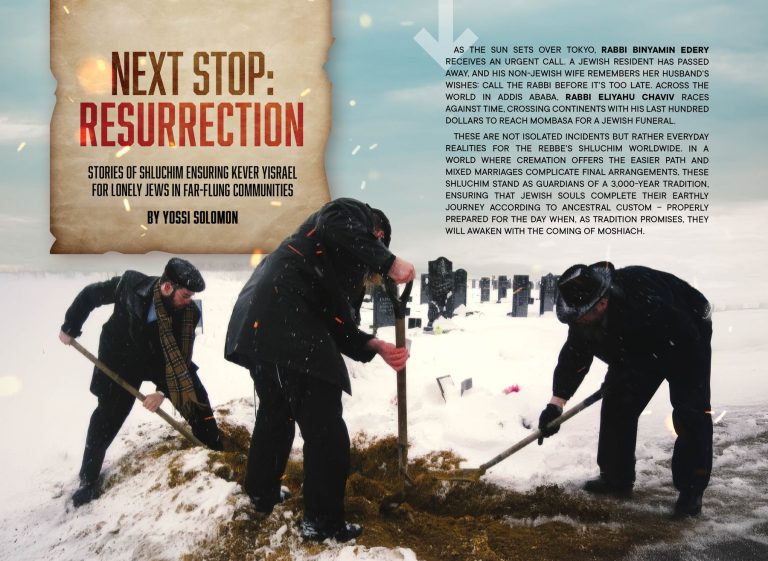
As the sun sets over Tokyo, Rabbi Binyamin Edery receives an urgent call. A Jewish resident has passed away, and his non-Jewish wife remembers her husband’s wishes: call the rabbi before it’s too late. Across the world in Addis Ababa, Rabbi Eliyahu Chaviv races against time, crossing continents with his last hundred dollars to reach Mombasa for a Jewish funeral. These are not isolated incidents…

A collection of halachic Q&As about men immersing in the mikva as a preparation for davening, by HaRav Yosef Yeshaya Braun shlita, Mara D’Asra and member of the Crown Heights Beis Din.

Avrohom Avinu was not the first believer. There were teachers before him who were great believers and tzaddikim like Adam, and later his own teachers, Noach, Shem and Eiver. So why was Avrohom the first Jew? The answer lies in a fundamental distinction: Avrohom was an activist.

In Parshas Shemini, we read about an interesting halachic dialogue between Moshe and his older brother, Aharon the Kohen Gadol. After the death of Aharon’s two sons, Nadav and Avihu, who “offered a strange fire before the L-rd,” Moshe commands the remaining brothers to “eat the sin-offering in a holy place” – that they should eat the sin-offering (Korban Chatas) brought that day, even though they…

We all have our shlichus, and especially now, in these turbulent times, we must utilize our strengths in every way we can to help each other. Rina Gershovits is a kalla teacher, counselor for newly married couples, and a matchmaker too, investing her heart and soul in her shlichus.

The Midda of Gevura is one of the most maligned and misunderstood. We associate it with negative things: harshness, discipline, punishment. Gevura is actually a deeper form of giving. It’s about setting boundaries and exercising restraint – expressing love in ways that are considerate of the other person’s needs, without overwhelming them or overpowering them.
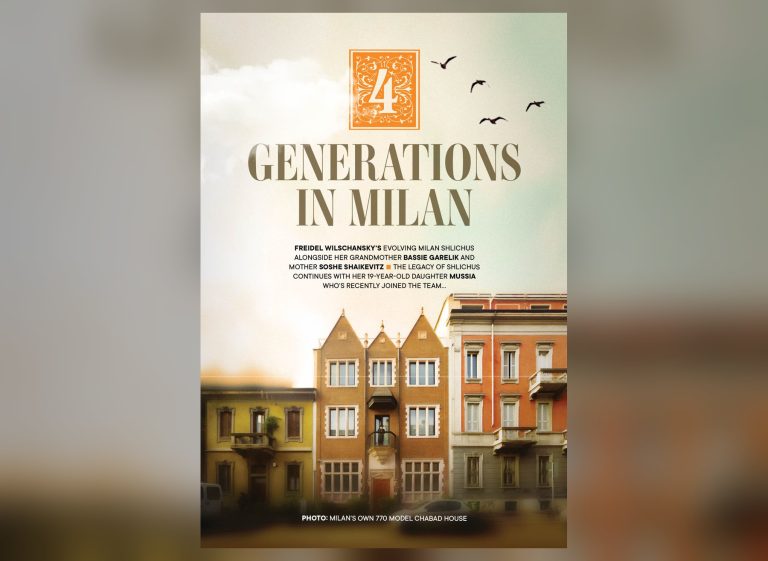
Freidel Wilschansky’s evolving Milan shlichus alongside her grandmother Bassie Garelik and mother Soshe Shaikevitz * The legacy of shlichus continues with her 19-year-old daughter Mussia who’s recently joined the team…

The Rav instructs Shmuel’s children to appoint gentile attorneys and let them work during Rosh Hashana and that everyone should make certain to honor the Yom Tov as is fitting, reciting Tehillim around the clock. Pesach Tzvi sends a pidyon nefesh to the Rebbe.

“Put me down and then we’ll talk,” said Avremel, putting on a brave face.
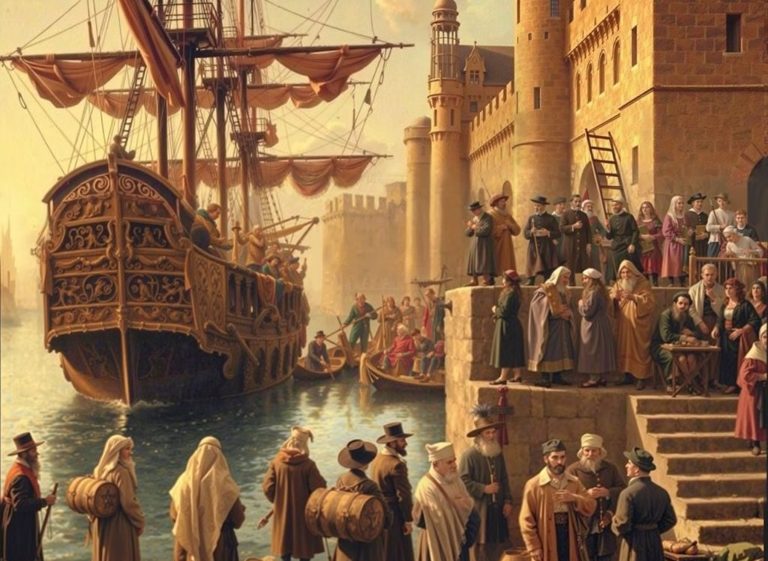
Rabbi Moshe Biderman, the Lelevor Rebbe zt”l, came from a family of very holy Tzaddikim. His father, Reb Dovid Biderman, was a close Talmid of the Maggid of Mezeritch. Reb Dovid learned together with some of the greatest Tzaddikim – the Baal HaTanya, Reb Levi Yitzchok of Berditchev, Reb Elimelech of Lizhensk, and his brother, Reb Zusha of Anipoli.

Chapter 24 of the Yanki & Mendy’s Shlichus Adventures comic.