Which Picture Do Your Children See?
A Yid walks into shul Erev Pesach and sees his friend sitting and learning. “Shmerel, don’t you have any Pesach prep to do at home? Cleaning? Shopping? Potato Peeling?”

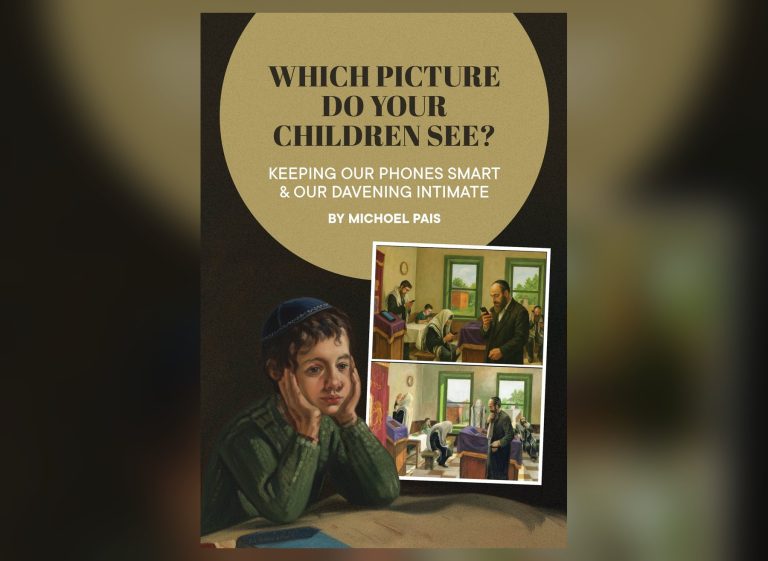
A Yid walks into shul Erev Pesach and sees his friend sitting and learning. “Shmerel, don’t you have any Pesach prep to do at home? Cleaning? Shopping? Potato Peeling?”

For Parshas Noach, in which we have the teaching of “come into the teiva” – which the Baal Shem Tov famously explains means to come into the words of davening with kavana, as teiva also means “word” – we present a fascinating halachic article from Halacha2Go.com about kavana during davening, from AskTheRav.com and Halacha2Go, under the auspices of HaRav Yosef Yeshaya Braun, Mara D’Asra and member of…

Two answers from the Rebbe on the topic of maintaining consistency in minhagim and davening. The responses are addressed to a bachur who requested a blessing for his birthday and also wrote that his Rashi tefillin kesher is according to Ashkenazic custom, and he desired to begin putting on Rabbeinu Tam tefillin with a Chabad kesher.

A short adaptation of excerpts from the maamar “Mayim Rabim” of Parshas Noach, 4th of Cheshvan, 5725 (1964). A version of sections of this maamar edited by the Rebbe in sicha form appears in Likkutei Sichos Vol. 5, p. 288

On Rosh Hashana we are commanded to hear the sound of the shofar, the inner cry of the Jewish heart to its Creator. A reflection on the voice of the shofar, the voice of tefilla, and the voice of the kalla that will be heard in the Geula.

What frightens the angels? How does “Av HaRachaman – Compassionate Father” differ from “Av HaRachamim – Father of Mercy”? Why these specific verses before tekias shofar? Ten profound insights from the Chabad Rebbeim and great Chassidim reveal the heart-stirring depths hidden within our Yamim Noraim prayers.
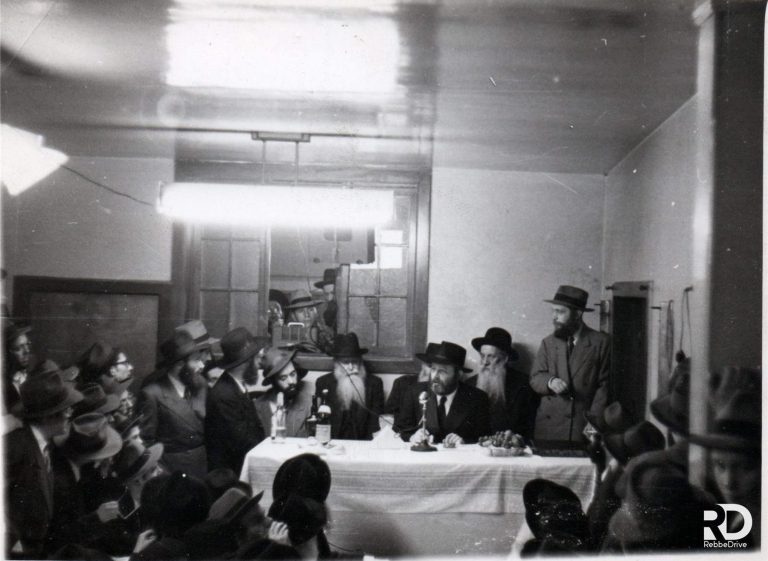
On the first floor of 770 is located the “small zal” – the first Beis Medrash that served the Rebbe Rayatz and the Rebbe Melech HaMoshiach for dozens of years. Here the Rebbe accepted the nesius openly when he said the maamar Basi L’Gani on 10 Shevat 5711 (1951).
A collection of halachic Q&As on the prohibition of asking Hashem for personal needs on Shabbos, from AskTheRav.com and Halacha2Go, under the auspices of HaRav Yosef Yeshaya Braun, Mara D’Asra and member of the Crown Heights Beis Din

Stories of our Rebbeim and their Chassidim. In this installment: more on Chapter 1

Golden dreams shatter in slow motion allowing for new ones to form. Twenty years have passed since Yitzchok and Rivka married, and the longed-for child has not yet arrived. They don’t despair and increase their prayers. Thousands of years later, brave women share with us their tumultuous experience of waiting, pain, faith, and prayers. “May He who answered Yitzchak and Rivkah, answer us too!”

Sarah Imeinu as well as the other Imahos, Rivka and Rochel, were all barren. They poured out many prayers until they were blessed with children, because Hashem desires the prayers of tzaddikim. Sarah waited decades for children, and finally was blessed at age ninety, an advanced age that even in her generation was considered surprising for childbirth. Yet she was blessed. Hashem waits in every…