From Survival to Rebuilding
On the 80th anniversary of World War II’s end, remarkable photographs have surfaced. These rare images offer an unprecedented glimpse into the lives of Chabad Chassidim who endured both Communist persecution and the horrors of the Holocaust, only to find themselves rebuilding their shattered world in displaced persons camps. This extraordinary collection captures the resilience of the Chabad survivors as they worked to restore their religious life and community bonds in the aftermath of unimaginable loss. The photographs document not just survival, but the remarkable process of spiritual renewal that took place within the confines of DP camps across post-war Europe. These previously unseen images, made available through the research of Rabbi Chaim Dalfin, reveal how faith and community sustained these survivors as they transitioned from the darkness of persecution to the hope of rebuilding their lives and preserving their heritage for future generations.
Chabad Refugees – Survivors of a Destroyed World
In recent months, the world has marked 80 years since the Allied victory over Nazi Germany – a victory that ended World War II and with it, the horrific Holocaust.
Out of the destruction of communities, the smoke of the crematoria, and the cries of blood, began a silent yet resilient migration of the remnants of Eastern European Jewry.
At the same time, many Chabad Chassidim, with siyata d’shmaya, managed to break out of the Soviet Union using forged Polish passports. They escaped the oppression of communism, reached Poland, and from there traveled by trains and crossed borders until they arrived at refugee camps in Germany, Austria, and France.
In these camps, they slowly began to rebuild their lives and breathe, for the first time, the air of freedom – to walk down the street and study Torah without fearing that someone was watching.
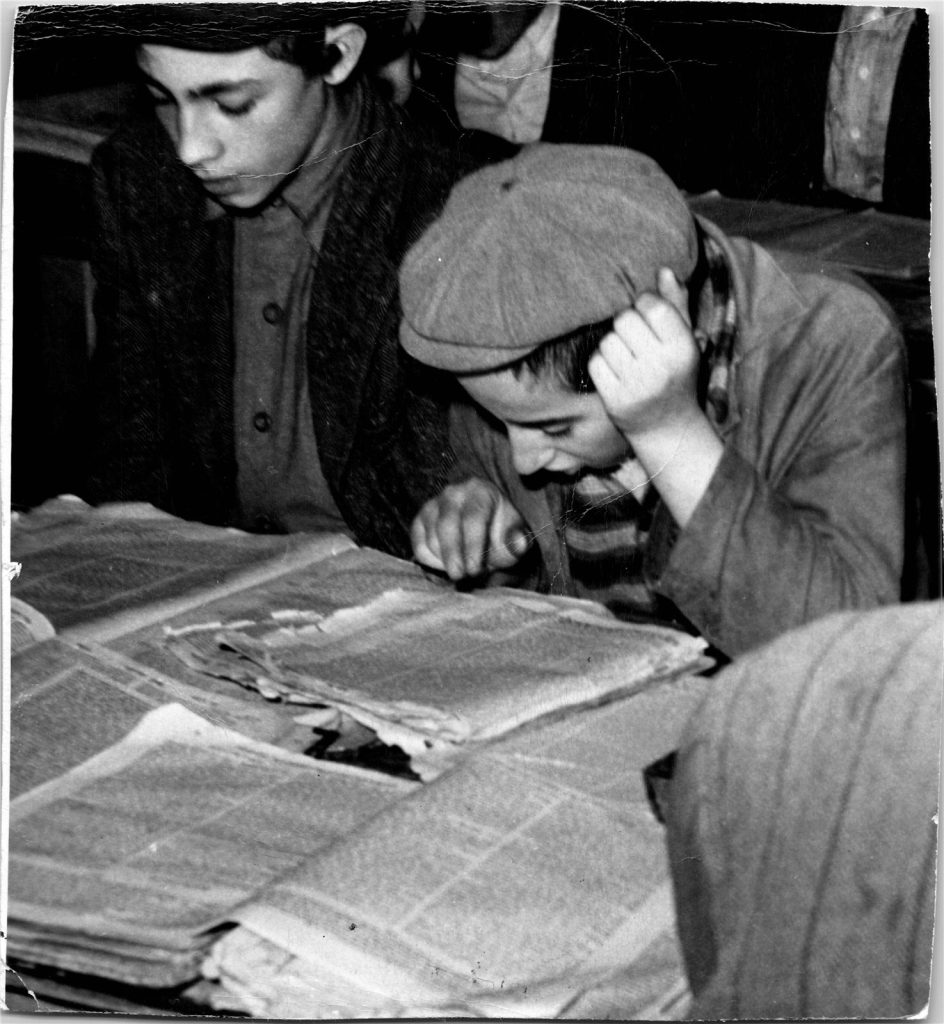
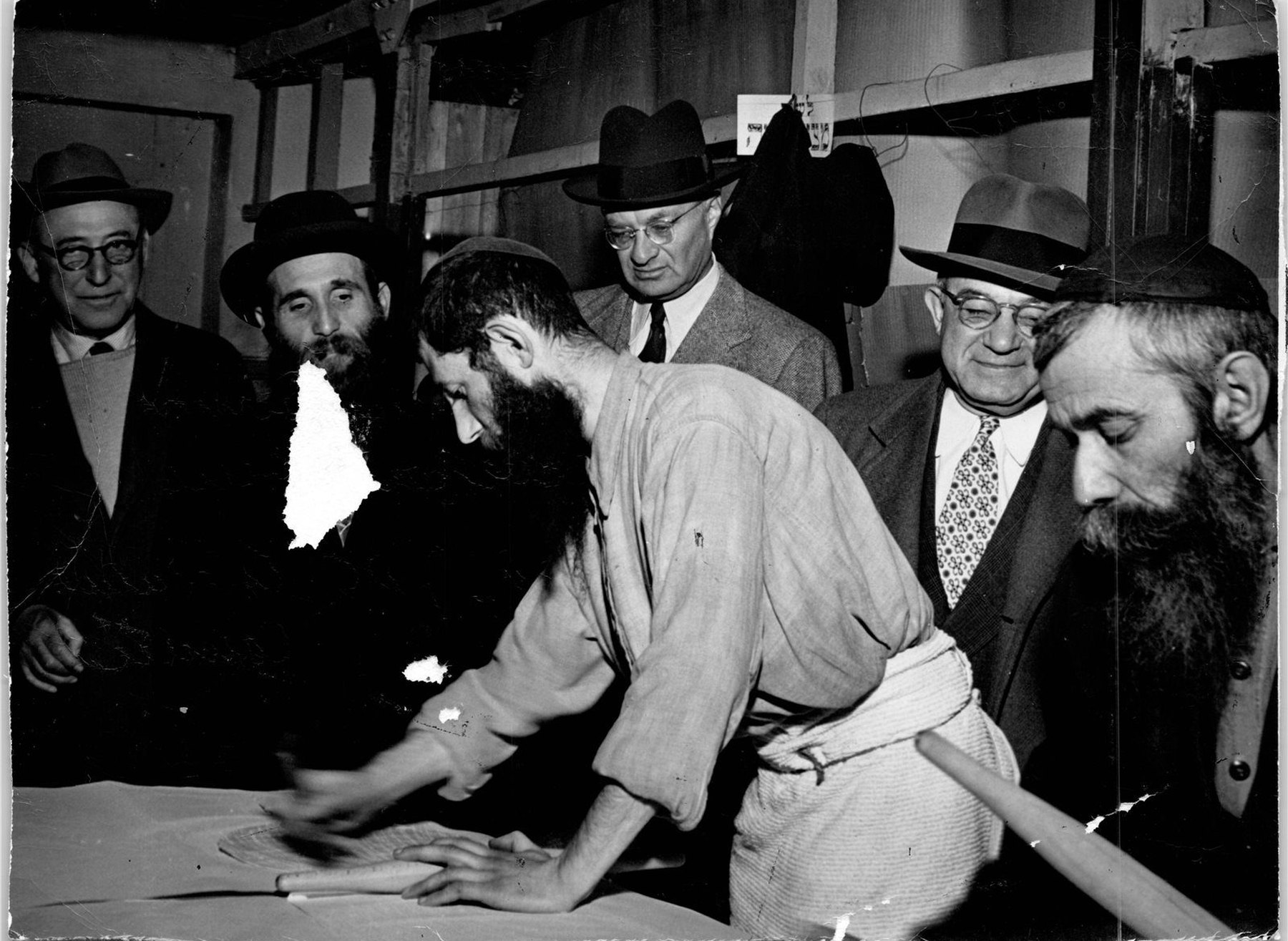
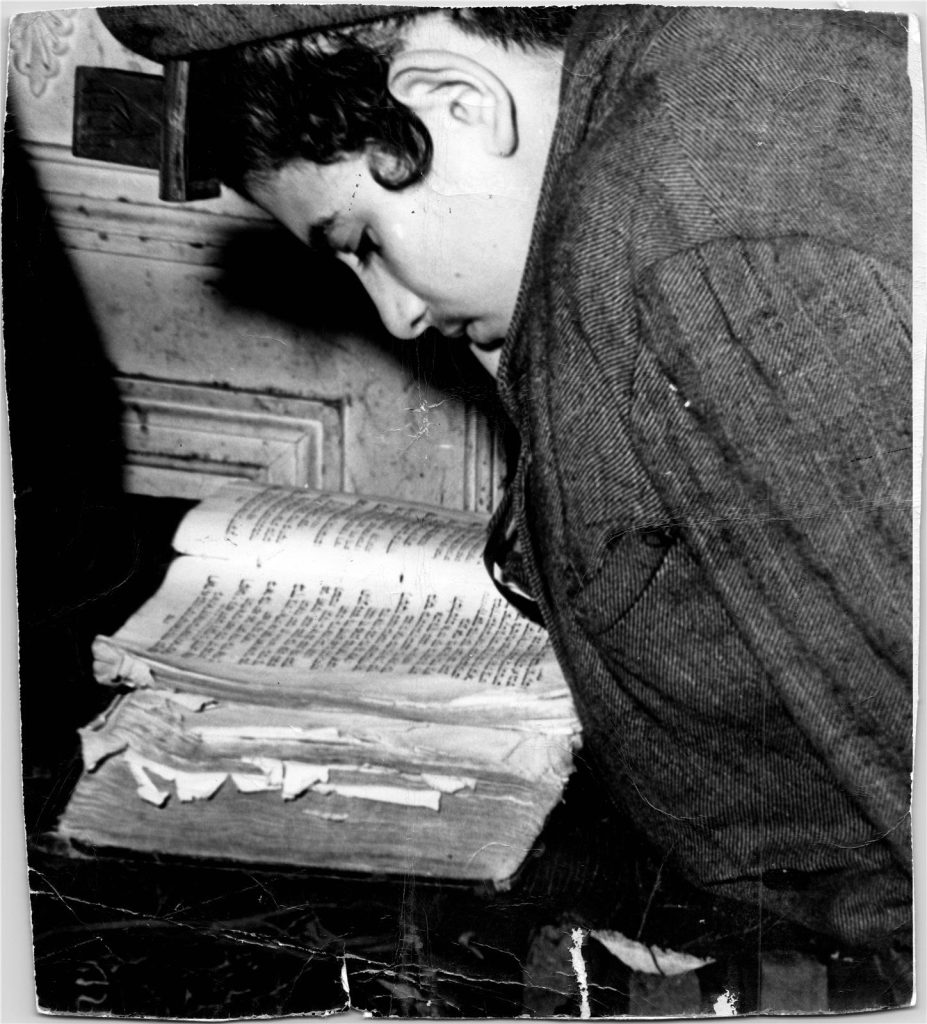
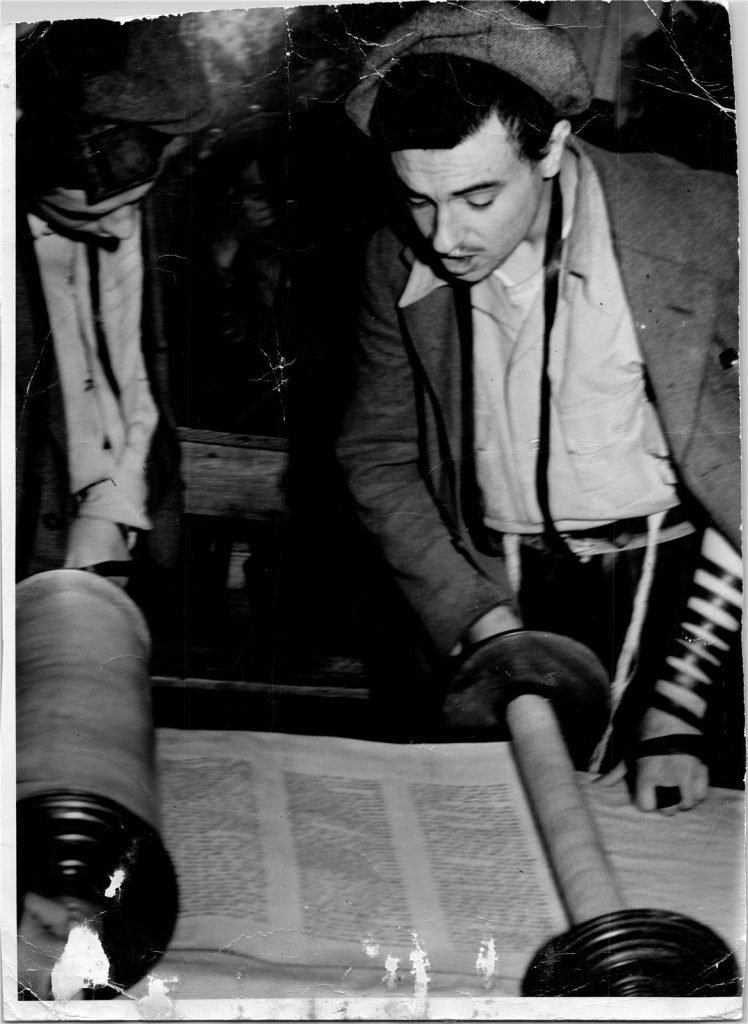
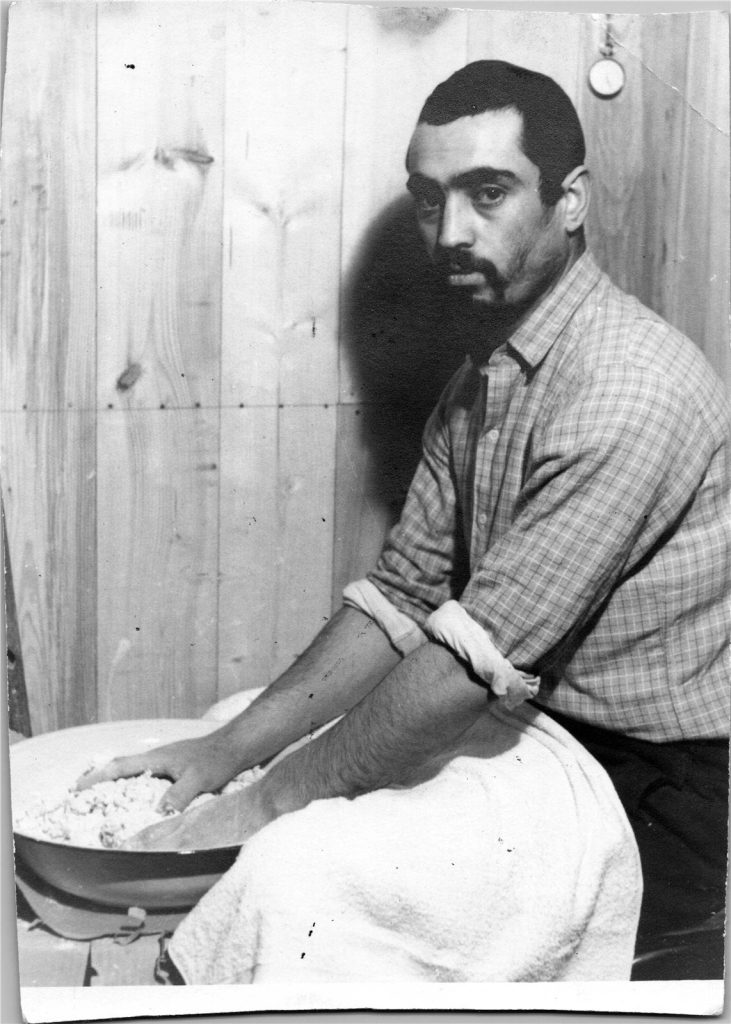
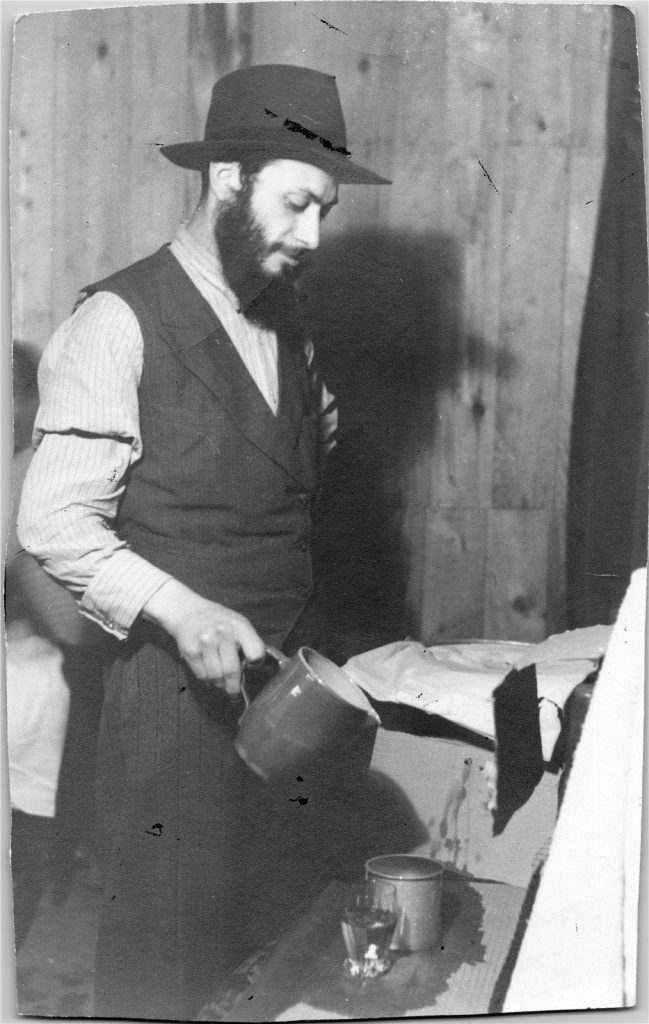
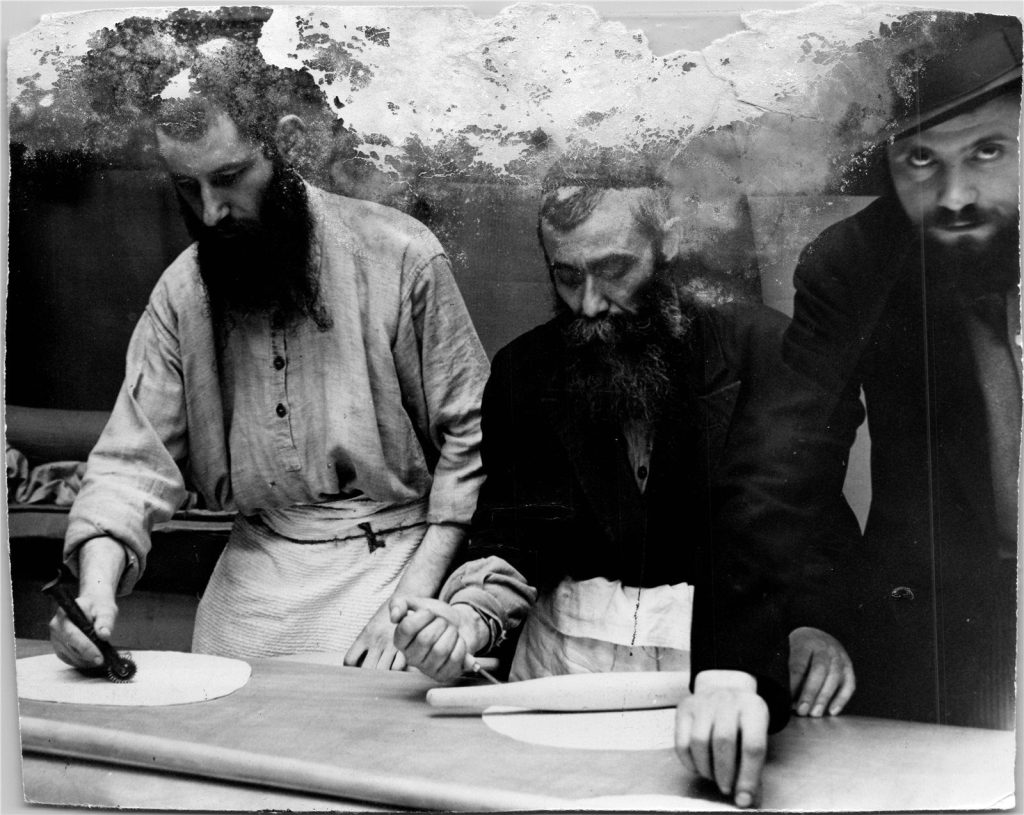
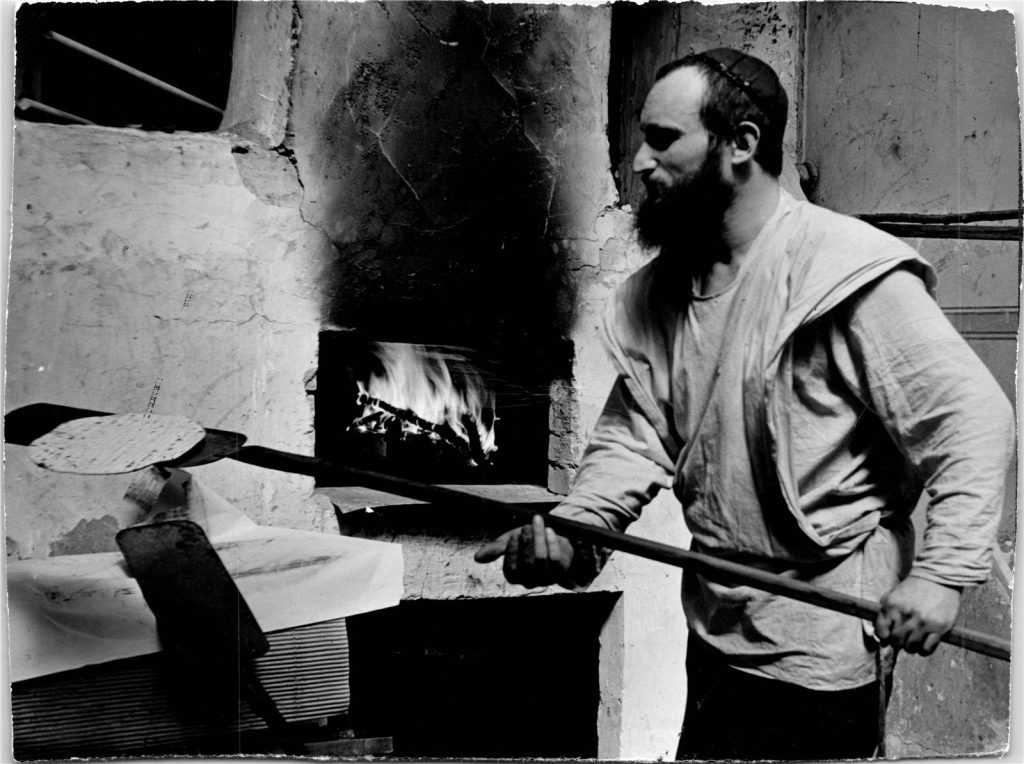
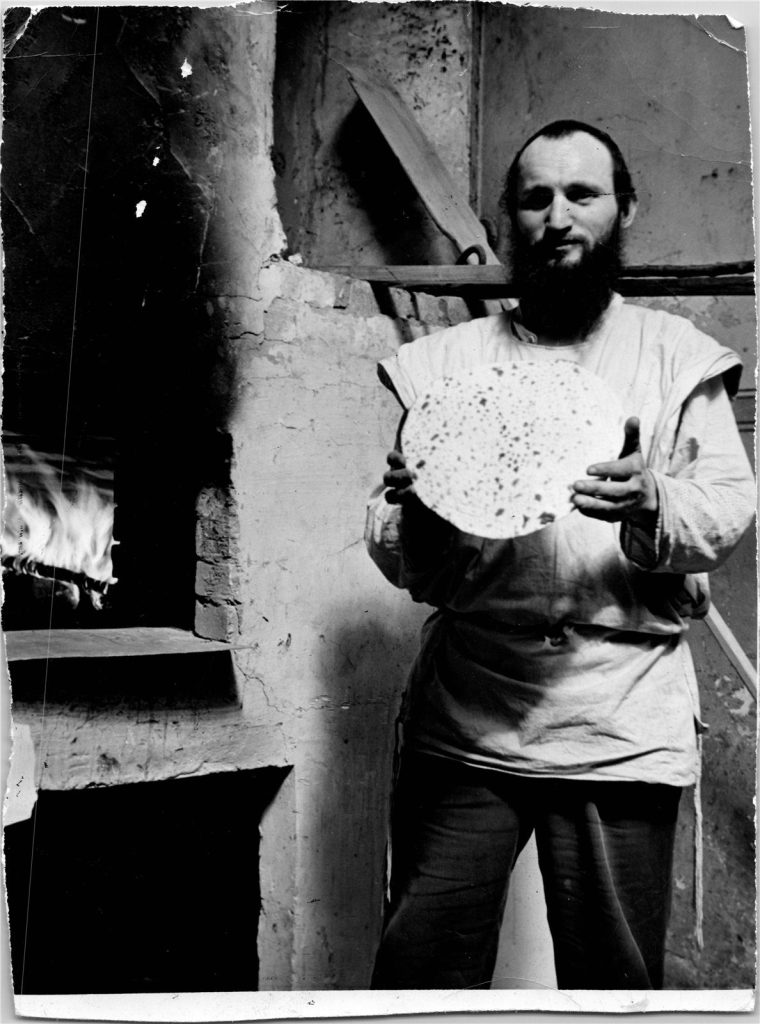
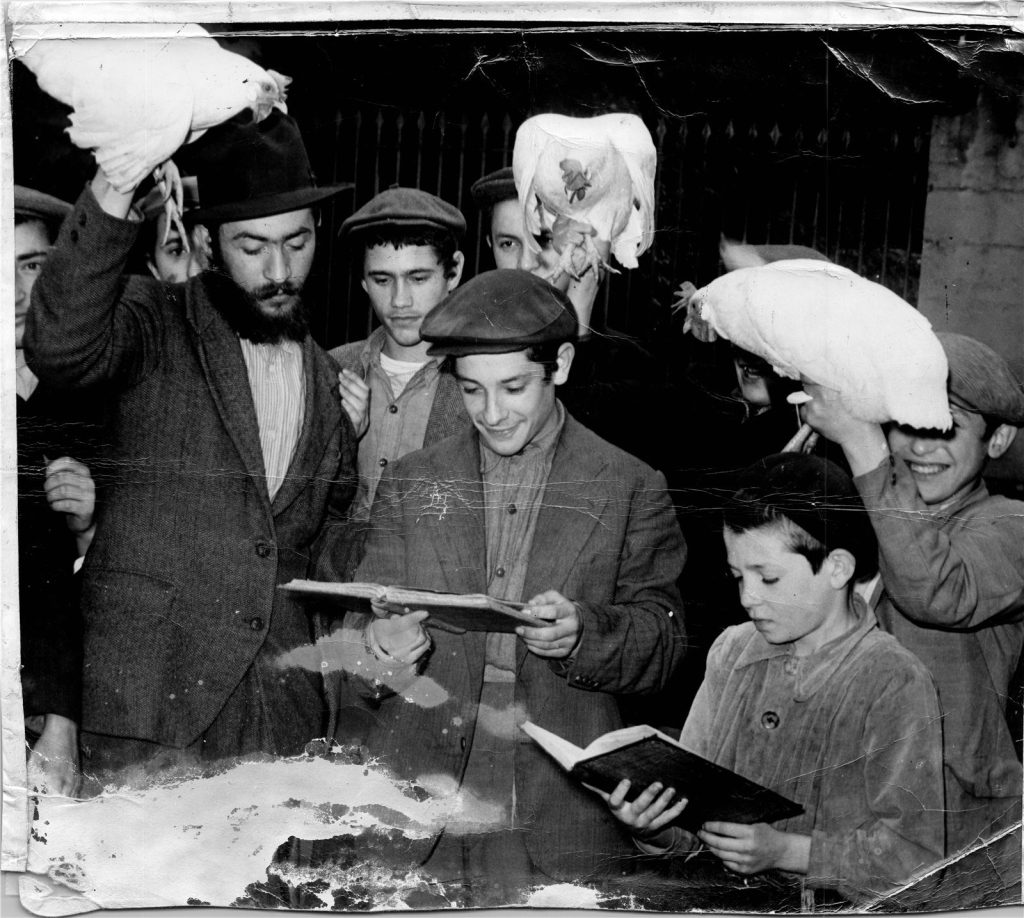
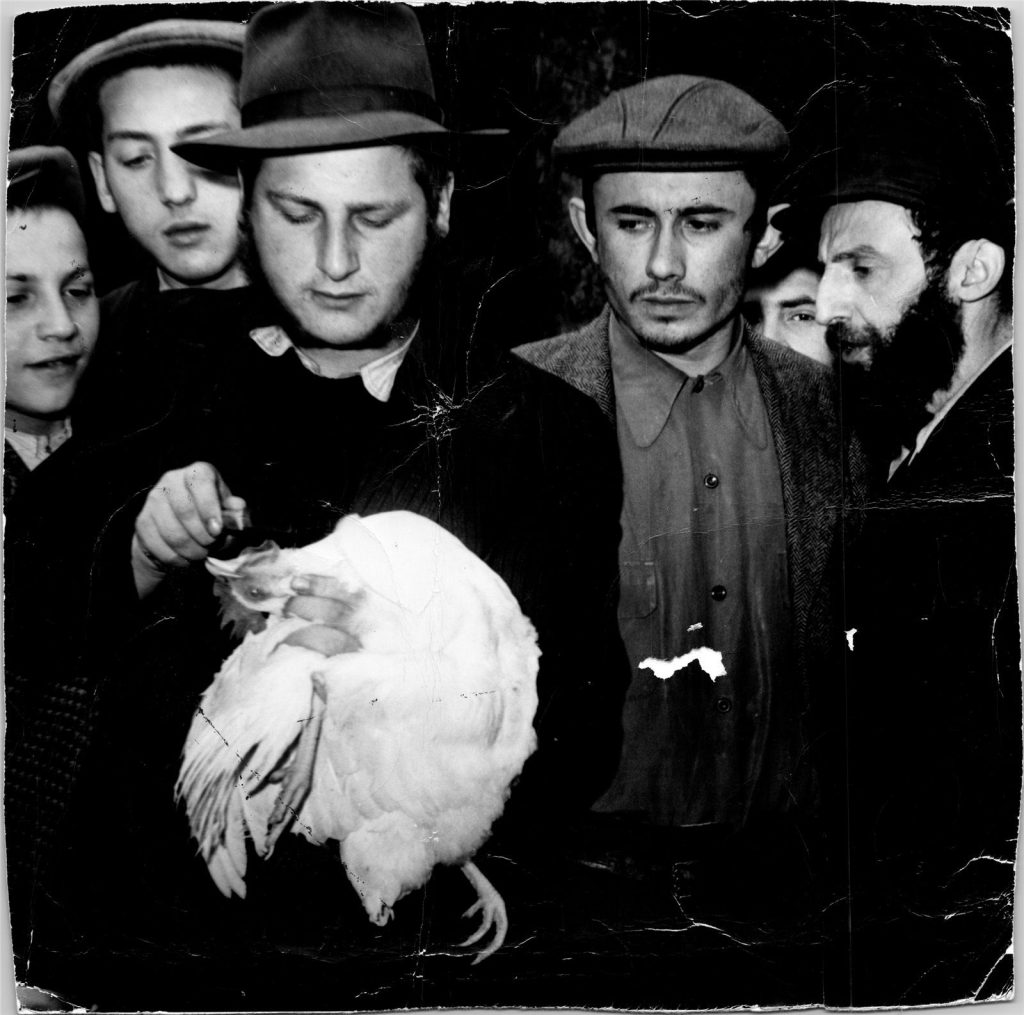
Recently, fascinating photographs have surfaced, documenting Chabad life in the French refugee camps. In these photos, Chassidim are seen davening and learning, baking matza, doing kapparos – and also, working in small weaving factories established in Paris for the benefit of the refugee Chassidim.
These photos were given to me by Rabbi Chaim Dalfin and illustrate this article.
The Chassidim in Joy
Life in the displaced persons camps was filled with challenges, anxiety, fear, and despair. The refugees lived in conditions of uncertainty – as countries around the world refused to absorb Jewish refugees. Even entry into Eretz Yisrael was restricted by the British.
The refugees lived in cramped quarters, often in large halls divided by curtains or in buildings with many small rooms. Many of them, having endured terrifying wartime experiences, struggled to break free from those traumas. They were often irritable and distrusting, even of their fellow Jews and the organizations established to help them. Many abandoned discipline and religious obligations; some engaged in black market activities and foreign currency trade, which were strictly prohibited.
This was typical of Jewish life in the DP camps. But in contrast, the Chabad community within the refugee population lived very differently. Inspired by the Rebbe Rayatz, they established schools for children, youth, and adults. Despite years of living under oppressive Communist rule, their atmosphere was notably joyful – a reflection of their Chassidic upbringing.
“In the Pocking camp (in Germany), there were already Jewish refugees of all kinds,” recalled Rabbi Shlomo Matusof in his memoirs, “and when our people settled there, they became a distinctive and significant group. The living conditions were quite poor compared to other camps I saw: simple houses made of thin wooden planks – more appropriately called barracks. Our people received their food rations from various organizations, especially international ones like UNRRA and the American Joint Distribution Committee.
“Slowly, they adapted to their new life, even though it was unpleasant to be dependent on aid organizations. Of course, a yeshiva was quickly established, and it resumed its original format from before, with Rabbi Nissan Nemanov at its head, and I was reinstated as his assistant in administration, just as I had helped him in Samarkand.”
The Rayatz Rebbe’s Support for the Refugees
The Rebbe Rayatz, who was already living in the United States, cared deeply for the refugees – both materially and spiritually. He worked through direct channels with community activists and also through shluchim sent to the camps.
He made efforts to extract the Chassidim from the camps and transfer them to more stable living conditions in France, where physical and spiritual conditions were much improved.
After Pesach 1947, organized efforts began to transfer the first group of Chassidic refugees from Austria to France. The Rebbe Rayatz, through Rabbi Binyamin Gorodetsky, arranged for a building to be rented for the Chassidim and their families. The Rebbe did everything he could to bring the Chassidim to safety.
In early Iyar, the Rebbe Rayatz sent a letter to his son-in-law, the “Ramash” (later the Lubavitcher Rebbe), who was then in Paris to bring his mother, Rebbetzin Chana, stating that if Rabbi Gorodetzky needed money to rent the building, he should be given up to two thousand dollars – a huge sum in those days.
The Rebbe Rayatz also worked to obtain visas to France for Chassidim who lacked the means. To that end, he even lent large sums of money. His concern for the welfare of the Chassidim was truly immense.
When the good news reached the Rebbe that the first group had arrived, he wrote: “I thank G-d for the great kindness He has done for you until now, and may He never remove His kindness from you forever.”
Hundreds of Chassidim Cross the Border
During the summer months of 1947, about fifteen groups of Chassidim arrived in France from Austria and Germany. These groups included around 500 individuals – roughly half of the 1,000 Chassidim who escaped the Soviet Union through border smuggling via Lvov.
Six months later, the flow ceased entirely. The French became concerned that Soviet citizens, possibly Communist Party members, were entering to spy. As a result, immigration laws were tightened for those coming from behind the Iron Curtain.
However, after Purim 1948, the refugee flow resumed, and from Purim until early Iyar, five more groups arrived, numbering about 100 Chassidim.
The Chassidim who reached France settled in hostels and hotels in a number of locations in and around Paris.
“Make a Living from One Another”
How did they earn a living under such conditions?
Rabbi Refoel Wilschansky a’h related that some found work in weaving, others in various trades. Several shochtim resumed work in their previous profession, and some opened businesses selling cookware.
Later on, groups of Chabad shochtim traveled to Ireland to work.
During that time, educational institutions were also established for boys and girls, where they could finally study Torah without fear of surveillance or persecution.
Even then, France was only a stopover for many Chassidim. Many waited for the Rebbe Rayatz’s decision as to where they should rebuild their lives and homes, after leaving their entire world behind.
Following the Rebbe’s instructions, many Chassidim immigrated to Eretz Yisrael in 1949. Many others moved to New York or Canada, while others remained in Europe – primarily in France – where a new Chabad community began to take shape.
Anyone who has information about those in the photos and when and where the photos were taken, should send information via Whatsapp to the author at 058-7700698
On the 80th anniversary of World War II’s end, remarkable photographs have surfaced. These rare images offer an unprecedented glimpse into the lives of Chabad Chasidim who endured both Communist persecution and the horrors of the Holocaust, only to find themselves rebuilding their shattered world in displaced persons camps.
This extraordinary collection captures the resilience of the Chabad survivors as they worked to restore their religious life and community bonds in the aftermath of unimaginable loss. The photographs document not just survival, but the remarkable process of spiritual renewal that took place within the confines of DP camps across post-war Europe.
These previously unseen images, made available through the research of Rabbi Chaim Dalfin, reveal how faith and community sustained these survivors as they transitioned from the darkness of persecution to the hope of rebuilding their lives and preserving their heritage for future generations.
Curated by Chabad Historian Shneur Zalman Berger
Chabad Refugees – Survivors of a Destroyed World
In recent months, the world has marked 80 years since the Allied victory over Nazi Germany – a victory that ended World War II and with it, the horrific Holocaust.
Out of the destruction of communities, the smoke of the crematoria, and the cries of blood, began a silent yet resilient migration of the remnants of Eastern European Jewry.
At the same time, many Chabad Chassidim, with siyata d’shmaya, managed to break out of the Soviet Union using forged Polish passports. They escaped the oppression of communism, reached Poland, and from there traveled by trains and crossed borders until they arrived at refugee camps in Germany, Austria, and France.
In these camps, they slowly began to rebuild their lives and breathe, for the first time, the air of freedom – to walk down the street and study Torah without fearing that someone was watching.
Recently, fascinating photographs have surfaced, documenting Chabad life in the French refugee camps. In these photos, Chassidim are seen davening and learning, baking matza, doing kapparos – and also, working in small weaving factories established in Paris for the benefit of the refugee Chassidim.
These photos were given to me by Rabbi Chaim Dalfin and illustrate this article.
The Chassidim in Joy
Life in the displaced persons camps was filled with challenges, anxiety, fear, and despair. The refugees lived in conditions of uncertainty – as countries around the world refused to absorb Jewish refugees. Even entry into Eretz Yisrael was restricted by the British.
The refugees lived in cramped quarters, often in large halls divided by curtains or in buildings with many small rooms. Many of them, having endured terrifying wartime experiences, struggled to break free from those traumas. They were often irritable and distrusting, even of their fellow Jews and the organizations established to help them. Many abandoned discipline and religious obligations; some engaged in black market activities and foreign currency trade, which were strictly prohibited.
This was typical of Jewish life in the DP camps. But in contrast, the Chabad community within the refugee population lived very differently. Inspired by the Rebbe Rayatz, they established schools for children, youth, and adults. Despite years of living under oppressive Communist rule, their atmosphere was notably joyful – a reflection of their Chassidic upbringing.
“In the Pocking camp (in Germany), there were already Jewish refugees of all kinds,” recalled Rabbi Shlomo Matusof in his memoirs, “and when our people settled there, they became a distinctive and significant group. The living conditions were quite poor compared to other camps I saw: simple houses made of thin wooden planks – more appropriately called barracks. Our people received their food rations from various organizations, especially international ones like UNRRA and the American Joint Distribution Committee.
“Slowly, they adapted to their new life, even though it was unpleasant to be dependent on aid organizations. Of course, a yeshiva was quickly established, and it resumed its original format from before, with Rabbi Nissan Nemanov at its head, and I was reinstated as his assistant in administration, just as I had helped him in Samarkand.”
The Rayatz Rebbe’s Support for the Refugees
The Rebbe Rayatz, who was already living in the United States, cared deeply for the refugees – both materially and spiritually. He worked through direct channels with community activists and also through shluchim sent to the camps.
He made efforts to extract the Chassidim from the camps and transfer them to more stable living conditions in France, where physical and spiritual conditions were much improved.
After Pesach 1947, organized efforts began to transfer the first group of Chassidic refugees from Austria to France. The Rebbe Rayatz, through Rabbi Binyamin Gorodetsky, arranged for a building to be rented for the Chassidim and their families. The Rebbe did everything he could to bring the Chassidim to safety.
In early Iyar, the Rebbe Rayatz sent a letter to his son-in-law, the “Ramash” (later the Lubavitcher Rebbe), who was then in Paris to bring his mother, Rebbetzin Chana, stating that if Rabbi Gorodetzky needed money to rent the building, he should be given up to two thousand dollars – a huge sum in those days.
The Rebbe Rayatz also worked to obtain visas to France for Chassidim who lacked the means. To that end, he even lent large sums of money. His concern for the welfare of the Chassidim was truly immense.
When the good news reached the Rebbe that the first group had arrived, he wrote: “I thank G-d for the great kindness He has done for you until now, and may He never remove His kindness from you forever.”
Hundreds of Chassidim Cross the Border
During the summer months of 1947, about fifteen groups of Chassidim arrived in France from Austria and Germany. These groups included around 500 individuals – roughly half of the 1,000 Chassidim who escaped the Soviet Union through border smuggling via Lvov.
Six months later, the flow ceased entirely. The French became concerned that Soviet citizens, possibly Communist Party members, were entering to spy. As a result, immigration laws were tightened for those coming from behind the Iron Curtain.
However, after Purim 1948, the refugee flow resumed, and from Purim until early Iyar, five more groups arrived, numbering about 100 Chassidim.
The Chassidim who reached France settled in hostels and hotels in a number of locations in and around Paris.
“Make a Living from One Another”
How did they earn a living under such conditions?
Rabbi Refoel Wilschansky a’h related that some found work in weaving, others in various trades. Several shochtim resumed work in their previous profession, and some opened businesses selling cookware.
Later on, groups of Chabad shochtim traveled to Ireland to work.
During that time, educational institutions were also established for boys and girls, where they could finally study Torah without fear of surveillance or persecution.
Even then, France was only a stopover for many Chassidim. Many waited for the Rebbe Rayatz’s decision as to where they should rebuild their lives and homes, after leaving their entire world behind.
Following the Rebbe’s instructions, many Chassidim immigrated to Eretz Yisrael in 1949. Many others moved to New York or Canada, while others remained in Europe – primarily in France – where a new Chabad community began to take shape.
Anyone who has information about those in the photos and when and where the photos were taken, should send information via Whatsapp to the author at 058-7700698
The baker is R’ Yaakov Gurkow a’h. His job was “zetzer” (the one who puts the matzos into the oven). This photo was taken either in the Halein DP camp in Austria or Paris. After World War II, he left Russia and after some time in a DP camp he settled in London with his father, R’ Meir. There he was involved in the Rebbe’s shlichus in spreading Chassidus.
Beis Moshiach #1467 • pp. 27-35
© 2026 Beis Moshiach Magazine. All rights reserved.
This article originally appeared in Beis Moshiach #1467. You are welcome to share it with friends and family by email or in print, provided that you do not change, add to or omit any part of it, you credit the author and Beis Moshiach, and you include a link to archive.bmoshiach.org (written out in full in printed copies).
To republish this article in a newspaper, magazine, book or website, please request permission in advance at [email protected].