What Do the Angels Fear?
What frightens the angels? How does “Av HaRachaman – Compassionate Father” differ from “Av HaRachamim – Father of Mercy”? Why these specific verses before tekias shofar? Ten profound insights from the Chabad Rebbeim and great Chassidim reveal the heart-stirring depths hidden within our Yamim Noraim prayers.
1. “Remember Us for Life” – The Two Levels of Divine Involvement
זָכְרֵנוּ לְחַיִּים מֶלֶךְ חָפֵץ בַּחַיִּים, וְכָתְבֵנוּ בְּסֵפֶר הַחַיִּים לְמַעַנְךָ אֱלהִים חַיִּים
Remember us for life, O King who desires life, and inscribe us in the Book of Life, for Your sake, O Living G-d.
Commentary from the Rebbe Rayatz in Sefer HaSichos 5785:
In maariv of the first night of Rosh Hashana 5685 (1924), I saw in a vision my holy father, master, teacher and Rebbe, [the Rebbe Rashab] as if I saw him when he was in Lubavitch, in his holy Shabbos garments, his holy face illuminated, and he said to me these words:
“זכרנו לחיים” – This remembrance comes purely from Hashem’s inherent nature to bestow good (teva ha’tov lehitiv). The remembrance flows from His divine attribute of gracious kindness alone, from His being a “King who desires life.”
“וכתבנו בספר החיים” – But this inscription goes deeper. When Jews are written in the Book of Life, this writing (kesiva) represents an actual drawing down and illumination of true life – good life clothed in the garments of menucha (tranquility). This happens “למענך אלקים חיים” – meaning that through our avoda in Torah and mitzvos, Jewish souls transform “אלקים” (the divine name representing tzimtzum and judgment) into “חיים” (life – representing light and revelation).
2. Two Types of Divine Compassion: Av HaRachaman vs. Av HaRachamim
מִי כָמוךָ אָב הָרַחֲמָן… מִי כָמוךָ אָב הָרַחֲמִים…
Who is like You, Compassionate Father… Who is like You, Father of Mercy…
Commentary from the Alter Rebbe in Likkutei Torah:
There are two distinct types of divine compassion:
אב הרחמן – (Av HaRachaman – Compassionate Father): This is measured compassion that the intellect dictates. Like a person who forgives their friend after being hurt once or twice – the mind determines when mercy is appropriate, and no more.
אב הרחמים – (Av HaRachamim – Father of Mercy): This is boundless mercy (rachamim gedolim bli shiur) that transcends intellectual calculation. Even after someone has sinned many times, when they ask for forgiveness three times daily with “Forgive us, our Father,” He continues to forgive. This is the meaning of “חנון המרבה לסלוח” (Gracious One who abundantly forgives).
The verse “כי אבי ואמי עזבוני” (Though my father and mother have forsaken me) refers to the level of Av HaRachaman, while “וה’ יאספני” (Hashem will gather me in) refers to Av HaRachamim.
In Musaf of Rosh Hashana and Yom Kippur, and in Neilah, we say “מי כמוך אב הרחמים” because this reveals a higher level than Av HaRachaman. This is why we recite this specifically during Musaf and Neilah when we say Kedushas Keser (the more elevated form of Kedusha).
3. The Four-Fold “U’v’Chein” – Drawing Divine Kindness Through All Worlds
וּבְכֵן יִתְקַדֵּשׁ שִׁמְךָ… וּבְכֵן תֵּן פַּחְדְּךָ… וּבְכֵן תֵּן כָּבוֹד… וּבְכֵן צַדִּיקִים יִרְאוּ…
And so may Your Name be sanctified… And so may Your awe be placed… And so may You give honor… And so may the righteous see and rejoice…
Commentary from the Rebbe Rashab in Sefer HaMaamarim 5665):
We say exactly four instances of “ובכן” (U’v’Chein – “And so”). In gematria, “ובכן” equals “חסדו” (88). We find “His kindness” written four times in Tehillim 136: “Give thanks to Hashem for He is good, for His kindness endures forever. Let Israel now say, for His kindness endures forever,” etc.
The Shelah explains that these correspond to the four worlds: Atzilus, Beria, Yetzira, Asiya. This is the significance of the four-fold U’v’Chein – to draw down Hashem’s kindness from the highest levels down to Olam HaAsiya (the World of Action).
4. The Heart’s Cry Before Shofar – Creating True Inner Connection
קוֹלִי שִׁמְעָה כְחַסְדֶּךָ ה’ כְּמִשְׁפָּטֶךָ חַיֵּנִי ראשׁ דְּבָרְךָ אֱמֶת וּלְעוֹלָם כָּל מִשְׁפַּט צִדְקֶךָ עֲרוֹב עַבְדְּךָ לְטוֹב אַל יַעַשְׁקוּנִי זֵדִים ששׂ אָנֹכִי עַל אִמְרָתֶךָ כְּמוֹצֵא שָׁלָל רָב טוּב טַעַם וָדַעַת לַמְּדֵנִי כִּי בְּמִצְוֹתֶיךָ הֶאֱמָנְתִּי נִדְבוֹת פִּי רְצֵה נָא ה’ וּמִשְׁפָּטֶיךָ לַמְּדֵנִי
Hear my voice according to Your kindness, Hashem, according to Your justice give me life. The beginning of Your word is truth, and forever every judgment of Your righteousness… Be surety for Your servant for good, let not the wicked oppress me. I rejoice over Your word like one who finds great spoil. Teach me good sense and knowledge, for I have believed in Your commandments. Accept the offerings of my mouth, Hashem, and teach me Your judgments.
Commentary from the Rebbe Rayatz in Sefer HaMaamarim 5696:
These verses represent the true, inner closeness (kiruv amiti u’pnimi) through shefichas ha’nefesh (pouring out of the soul). The acrostic “קר”ע שט”ן” (Kera Satan – “Tear Satan”) signifies the removal of all barriers (hasaras ha’masachim) – that nothing should obstruct or interrupt. The removal and rejection of the mekateig (prosecutor) and accusations happens through the preparation for tekias shofar.
The Baal Shem Tov taught that shofar blowing is the cry of “אבא אבא” (Abba! Abba!) – like a child lost in a forest among wild beasts, crying out “Father! Father! Save me!” There is no greater inner delight for the Father than when His children call to Him with this inner, essential cry.
When all of Israel cries out to Avinu Malkeinu, Av HaRachaman v’Av HaRachamim with an inner, essential call from the depths of the heart’s core – “אבא אבא” – pouring out their entire hearts in requesting abundant mercy to be aroused upon them with simple mercy (rachamim peshutim) – all this is the great preparation for the mitzva of sounding the shofar.
5. “Today is the World’s Conception” – Two Interpretations of Creation
הַיּום הֲרַת עוֹלָם, הַיּוֹם יַעֲמִיד בַּמִּשְׁפָּט כָּל יְצוּרֵי עוֹלָמִים
Today is the world’s conception, today He will stand in judgment all creatures of the worlds.
Commentary from the Rebbe Melech HaMoshiach in Sefer HaMaaamrim 5732:
There are two interpretations of “הרת”:
הרת – from the language of reses, trembling – relating to “היום יעמיד במשפט” (today He will stand in judgment). There is judgment upon all the worlds, even upon the revelations that preceded the tzimtzum – whether they will be drawn down again or not.
הרת – from the language of pregnancy and birth (herayon v’leida).
Through the avoda of Jewish souls, “הרת עולם” becomes a matter of pregnancy and birth, where all matters are drawn anew from His very Essence just as it was at the beginning of creation, when He consulted “בנשמותיהן של צדיקים” (with the souls of the righteous), and “עמך כולם צדיקים” (Your people are all righteous).
6. “Fortunate is the Nation that Knows the Teruah” – Spiritual Warfare
אַשְׁרֵי הָעָם יוֹדְעֵי תְּרוּעָה, ה’ בְּאוֹר פָּנֶיךָ יְהַלֵּכוּן
Fortunate is the nation that knows the teruah blast, Hashem, in the light of Your countenance they walk.
Commentary from the Rebbe Rayatz in the name of the Baal Shem Tov ( Sefer HaMaamarim 5703):
“אשרי העם יודעי תרועה” – Ashrei (fortunate) is praise and thanksgiving to Hashem that all of Israel know teruah – know to sound the horns of war against the yetzer hara. Therefore, all of them “ה’ באור פניך יהלכון” (walk in the light of Your countenance).
7. Why Angels Tremble – The Power of Jewish Prayer
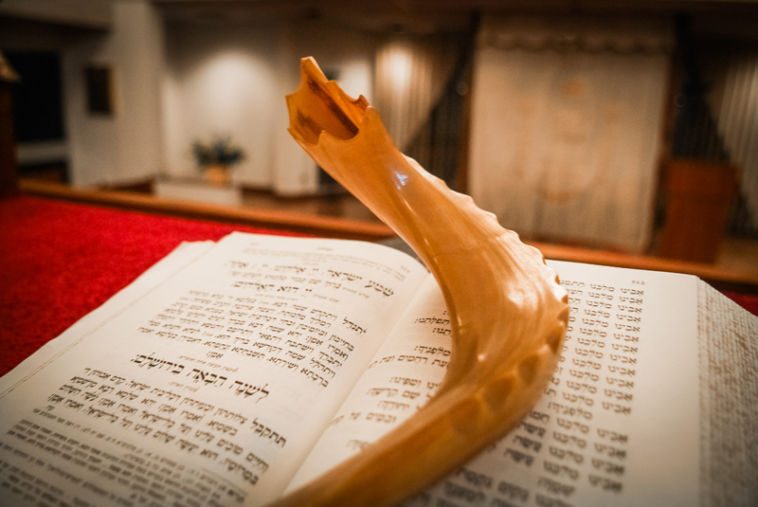
וּמַלְאָכִים יֵחָפֵזוּן וְחִיל וּרְעָדָה יֹאחֵזוּן
And angels will hurry, and trembling and shaking will seize them.
Commentary from the Rebbe in Hisvaaduyos 5745:
Angels have no yetzer hara, yet their service may not be in complete perfection. This is why “במלאכיו ישים תהלה” (In His angels He finds fault). Therefore “מלאכים יחפזון וחיל ורעדה יאחזון” – because they know their service isn’t perfectly complete.
How is their tikkun (rectification) accomplished? Through the prayer of “ונתנה תוקף” that every single Jew recites according to Torah instruction.
Even a Jew who arrives at shul only on the Yamim Noraim, while throughout the year no one knows where he is – even he recites “ונתנה תוקף” according to Torah command, and through this he effects tikkun in the service of the supernal angels.
8. Universal Recognition of the Divine
וְיֵדַע כָּל פָּעוּל כִּי אַתָּה פְּעַלְתּוֹ, וְיָבִין כָּל יְצוּר כִּי אַתָּה יְצַרְתּוֹ, וְיאֹמַר כָּל אֲשֶׁר נְשָׁמָה בְּאַפּוֹ ה’ אֱ־לֹהֵי יִשְׂרָאֵל מֶלֶךְ וּמַלְכוּתוֹ בַּכֹּל מָשָׁלָה
And every created being will know that You created it, and every formed being will understand that You formed it, and everyone who has the breath of life in their nostrils will say: ‘Hashem, G-d of Israel, is King, and His kingship rules over all.’
Commentary from the Rebbe Rayatz in Sefer HaMaaamrim 5702:
Kabbalas ol (accepting the yoke) of Rosh Hashana must be with the innermost essence of one’s soul (b’pnimiyus v’atzmus nafsho) with complete surrender and devotion to Hashem in complete servitude (shibud gamur).
Even one who is barely alive spiritually – only “נשמה באפו” (there’s just breath in his nostrils) – even he will know that only the G-d of Israel is King, and that His kingship rules over all.
9. The Paradox of Divine Unity in Multiplicity
וְכֹל מַאֲמִינִים שֶׁהוּא כֹּל יָכוֹל… וְכֹל מַאֲמִינִים שֶׁהוּא לְבַדוֹ הוּא
And all believe that He is all-powerful… And all believe that He alone is He.
Commentary from Rav Hillel of Paritch in Pelach HaRimon:
Although He is perceived as “כל יכול” (all-powerful) – meaning He illuminates and reveals Himself in all the many and diverse creations, and if He weren’t grasped within them they would return to nothingness – nonetheless, the multiplicity and division of the creations causes no division or multiplicity in His Essence, ch’v. There is no change in Him; He remains holy and separate after the world’s creation exactly as He was before creation “והוא לבדו הוא” (and He alone is He).
10. The Divine Judge Makes All Equal
הַשָׁוֶה וּמַשְׁוֶה קָטָן וְגָדוֹל. וְכֹל מַאַמִינִים שֶׁהוּא שׁוֹפֵט צֶדֶק
Who makes equal and equalizes small and great. And all believe that He is a righteous judge.
Commentary from the Rebbe Rashab in Sefer HaMaaamrim 5663:
How can judgment make small and great equal? Judgment has to be fair towards the judged! The explanation: Judgment (mishpat) pertains to Zeir Anpin (the divine attributes), where chesed (kindness) argues for merit and gevura (severity) argues for guilt. However, “שופט צדק” (righteous judge) occurs when rachamim (mercy) – a higher level – is drawn into Zeir Anpin.
When the attributes of Zeir Anpin are transformed to mercy through the revelation of the essential light of Ein Sof within them, as in “עומד מכסא דין ויושב על כסא רחמים” (He rises from the throne of judgment and sits on the throne of mercy), then “השוה ומשוה קטן וגדול” – all become equal in judgment.
Differences in levels exist within the attributes of chesed and gevura, but when they become simple mercy (rachamim peshutim), “באור פני מלך חיים” (in the light of the King’s countenance is life) – all are equal for good. This is the meaning of “השוה ומשוה קטן וגדול” – everyone is equal because He is a “שופט צדק” – the essential light of Ein Sof is drawn into the attributes of Zeir Anpin until they transform into simple mercy, and He has compassion on all.
This compilation was translated from the ‘Maayonatecha’ Magazine published by Torat Chabad L’Bnei HaYeshivot.
Beis Moshiach #1477 • pp. 14-18
© 2026 Beis Moshiach Magazine. All rights reserved.
This article originally appeared in Beis Moshiach #1477. You are welcome to share it with friends and family by email or in print, provided that you do not change, add to or omit any part of it, you credit the author and Beis Moshiach, and you include a link to archive.bmoshiach.org (written out in full in printed copies).
To republish this article in a newspaper, magazine, book or website, please request permission in advance at [email protected].