From Moshe to Moshe
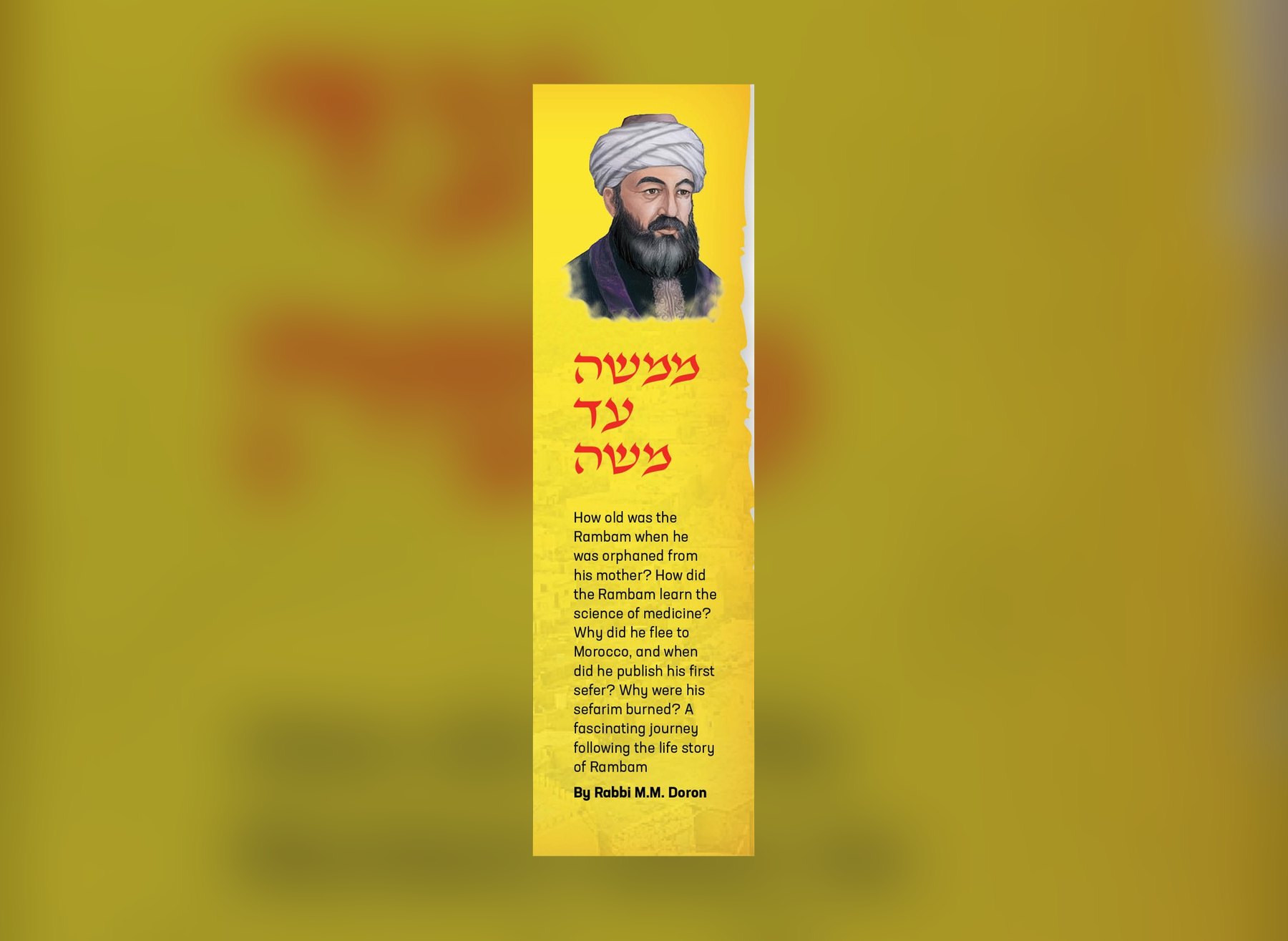
How old was the Rambam when he was orphaned from his mother? How did the Rambam learn the science of medicine? Why did he flee to Morocco, and when did he publish his first sefer? Why were his sefarim burned? A fascinating journey following the life story of the Rambam.
Have you heard of Rabbi Moshe ibn Abdallah? Have you ever studied from the sefarim he wrote, or read stories about him? Most likely you won’t be able to guess, but you know this person well, and most of you even regularly study the important sefarim he wrote…
We’re talking about none other than the Rambam, Rabbi Moshe ben Maimon. His family name was “ibn Abdallah,” named after his great-great-great-grandfather, Rabbi Ovadia Dayan, the head of the respected family line of dayanim, who served with distinction in the rabbinate of Cordoba. Rabbi Ovadia (meaning ‘servant of Hashem’ and in Arabic translation – Abdallah) was a scholar and tremendous genius, and he also had a distinguished lineage: he was among the descendants of Rabi Yehuda HaNasi who compiled the Mishna, and was a direct descendant of Dovid HaMelech.
Because of his many special qualities, he was appointed as the Dayan Roshi (chief judge) of the Jewish community in Cordoba, Spain, and served in this position until he passed away. Rabbi Ovadia was blessed with descendants who were talmidei chachamim, and after his death, they were appointed to continue his path, adding to the family chain for seven generations.
On Seder night in the year 4895 (approximately 880 years ago), great joy erupted in the home of the Dayan, Rabbi Maimon. In the midst of the final preparations for the Seder night, his firstborn son was born! You can imagine how much the community members rejoiced during Pesach, and picture how the seuda of the bris mila looked in the middle of the Yom Tov, when the baby received his name that would become famous throughout all sectors of Klal Yisrael: Moshe. But the joy did not last long. In his early childhood, the Rambam’s mother passed away, and he remained an orphan from his mother.
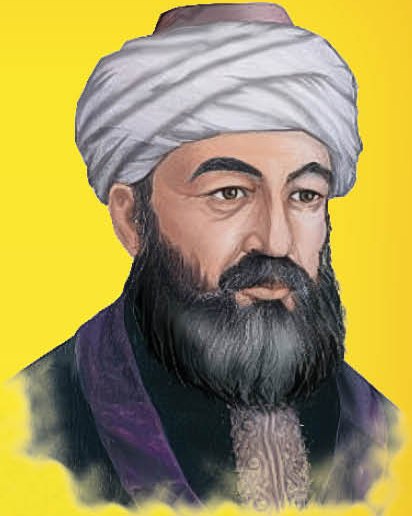
Despite his being an orphan, he continued to devote all his time to study, with awe-inspiring hasmada (diligence), and at the same time studied Torah with his father the Dayan, and general education in philosophy, mathematics, science, and medicine – through private tutors. When he had no one to study with, little ‘Moshe’ sat with thick books and eagerly absorbed as much as he could.
When he was about 10 years old, wild and cruel bands of Almohad Muslims invaded Spain and stormed city after city, tormented helpless Jews and forced them to convert to Islam or murdered them. In light of the terrible situation, Rabbi Maimon decided to flee with his family far from the area of fighting and riots. They wandered for ten years, and meanwhile, during the wanderings, the Rambam continued to study Torah. At age 17, he wrote his first sefer Milos Higayon (Explanation of Logical Terms) in Arabic.
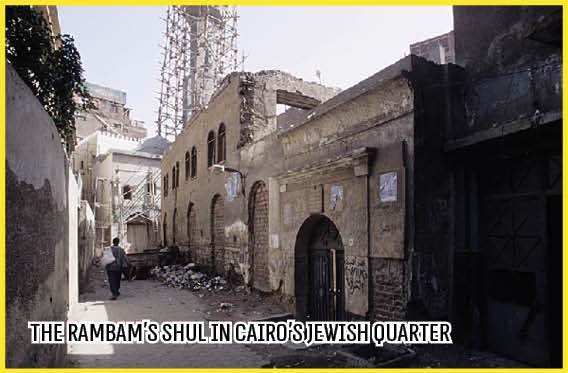
His second work was his famous commentary on the Mishna. He worked on it for seven years while wandering, from the city of Fez in Morocco, where they stayed for five years, to the port of Acco, and only five months later to Alexandria in Egypt, and from there to the capital city of Cairo. In Cairo, the Rambam married the daughter of one of the city’s Chachamim, Rabbi Mishael.
In Egypt, the Rambam completed writing his commentary on the Mishna and began to become famous in the Jewish world. He was crowned as the head of the Jewish community of Egypt, served as its leader, and along with his occupations found time to respond to thousands of questions in emuna and halacha that were sent to him from all over the world!
At age 30, the Rambam began writing the sefer Mishneh Torah – Yad HaChazaka, and completed it with amazing speed – in less than ten years! Throughout all those years, he refused to earn a living from public funds and entered into partnership with his younger brother Dovid in his diamond business. The Rambam’s life was full of troubles: his brother Dovid drowned during a voyage for business purposes, his wife, father, and two of his children died in an epidemic, and he was forced to go out to work in order not to benefit from the money of others.
Within a short time, the Rambam became known as one of the best physicians in Cairo, and soon was requested to serve as a physician to the Sultan in the royal palace, a position he used to have a positive influence on the attitude of the palace occupants toward the Jews.
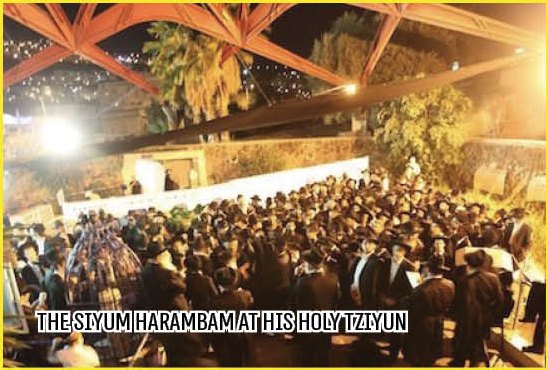
From then on, the Rambam reached tranquility and stability, and until he passed away at about age 70 he dedicated his life to studying Torah and ruling on halacha, writing sefarim, helping the sick, and assisting his fellow Jews everywhere.
Rabbeinu Moshe passed away in Cairo on 20 Teves 4965, 820 years ago. During his lifetime, he managed to write close to forty books and sefarim, eleven of which deal with medical matters.
Despite his many troubles, he became a symbol of hasmada and shekida (persistence) in Torah study, a renowned philosopher and physician, and his name was spoken with admiration by Jews and gentiles alike.
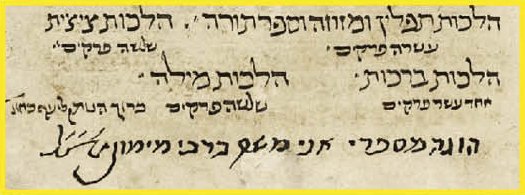
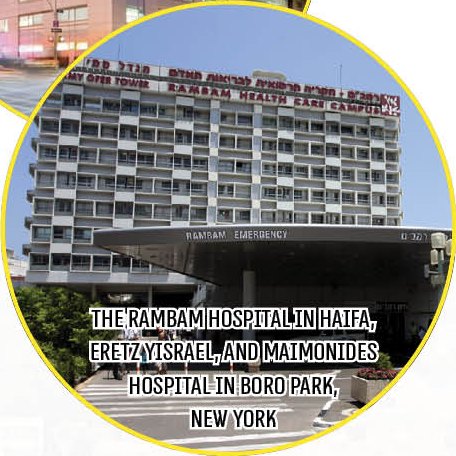
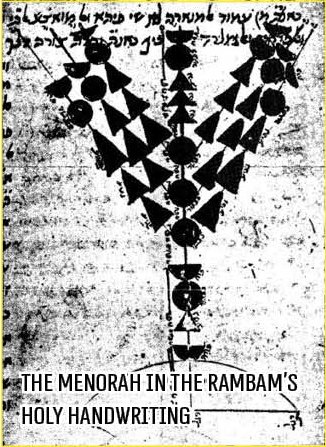
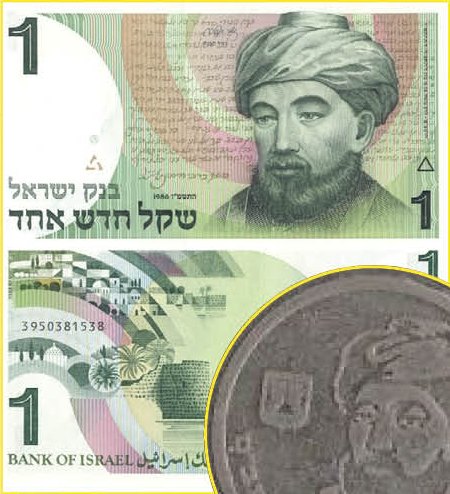
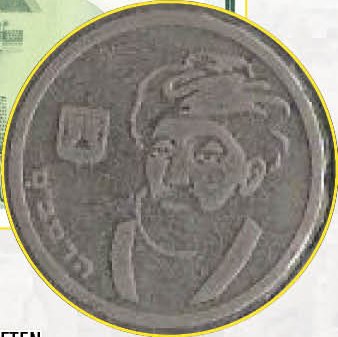
Many places around the world commemorate the Rambam’s name: shuls, squares, streets, settlements, stamps, medical centers, libraries, and museums, but the main legacy he left us are his wonderful sefarim, chief among them: Mishneh Torah-Yad HaChazaka, Moreh Nevochim, Sefer HaMitzvos, and Peirush HaMishna.
What Mazal…
Do you know what the acronym “Rambam” stands for? That’s right, Rabbi Moshe ben Maimon. And what is the meaning of the word “Maimon”? We’ll spare you a course in Arabic, get to the point, and reveal to you that the meaning of the word “Maimon” is “mazal” (luck, fortune).
Learning Rambam
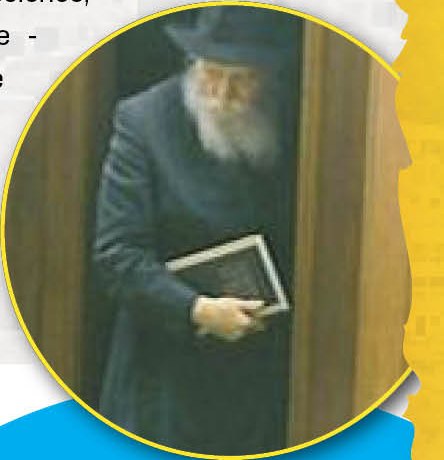
On 11 Nisan 5744, the Rebbe requested that everyone establish for themselves a daily study of Rambam, so that one could fulfill the halacha that states that everyone should learn the entire Torah, because Rambam’s Mishneh Torah includes all the mitzvos of the Torah in a clear and organized way. According to the Rebbe’s instructions, those who find it difficult to complete all 14 books in one year can study just one chapter a day and complete it within three years, or study the Sefer HaMitzvos. Do you have a fixed schedule of studying Rambam? If not, now is the time to start…
In the Lifetime of Rabbeinu Moshe

Did you know?
Besides his role as leader of the Jewish community in Egypt, the Rambam kept in regular contact with the Jewish community in Yemen, which suffered from severe persecutions. The community in Yemen esteemed the Rambam in an exceptional way and sent many donations and funds to support his yeshiva, and some even added to the Kaddish text the words: “In your lifetime and in your days, and in the lifetime of Rabbeinu Moshe ben Maimon”!
Did You Know?
Most of the laws in the Shulchan Aruch are based on the Rambam’s psak halacha in Mishneh Torah, and in most places they even appear in exactly the same words.
The Burning of the Rambam’s Sefarim
Troubles continued to pursue Rambam even after he passed away… About thirty years after he passed away, several great talmidei chachamim who disagreed with the Rambam’s method of paskening and his use of secular wisdom in his Torah sefarim arose and asked the Gedolei Yisrael of France to ban his books. The severe controversy became known to the Inquisition, who decided to judge the Rambam’s books as books of ‘heresy’ and burned them in the streets of the city. The burning shocked many of the Rambam’s opponents, and they retracted their harsh words against him. The controversy continued in various forms for about 70 years afterward, but ultimately the Rambam was accepted in all Jewish communities, and almost every Jewish home prides itself on having at least one set of the Rambam’s sefarim.
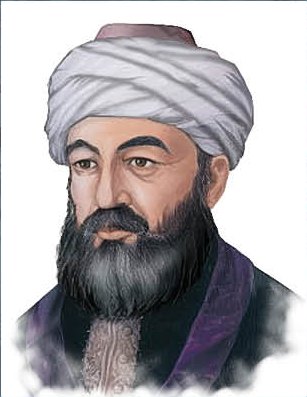
Identity Card
First name: Rabbi Moshe
Title: Rambam
Parents: Rabbi Maimon the Dayan and “the daughter of the shochet”
Date of birth: 14th of Nisan 4895
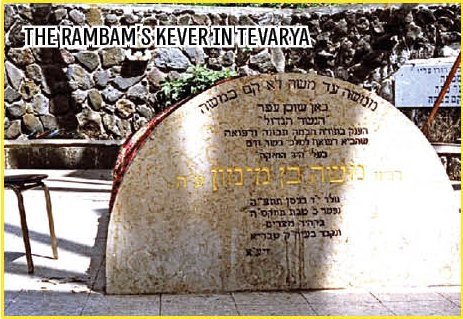
Date of passing: 20th of Tevet 4965
Place of birth: Cordoba, Spain
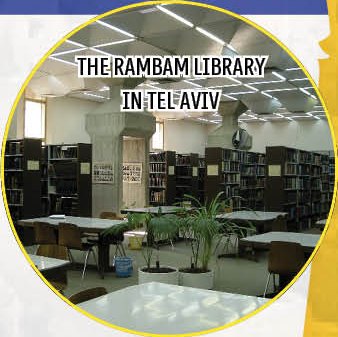
Place of residence: Fustat (Cairo), Egypt
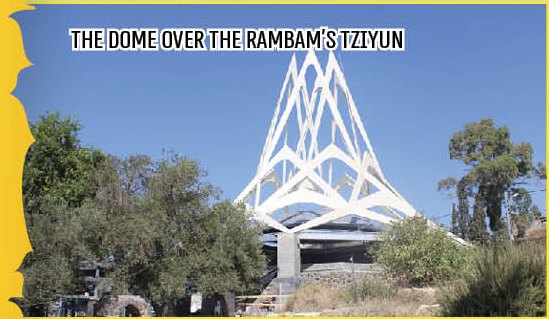
Place of burial: Teverya, Israel
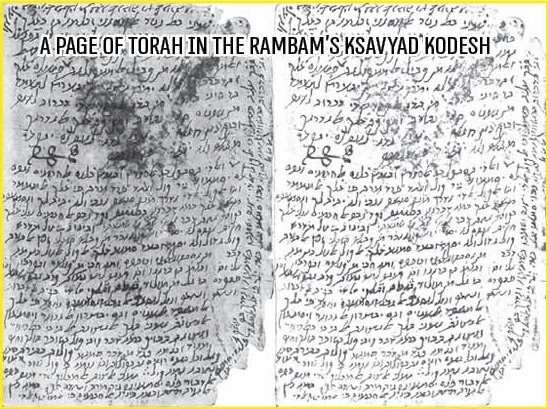
Main occupation: Halachic Posek
Profession: Physician in the royal palace
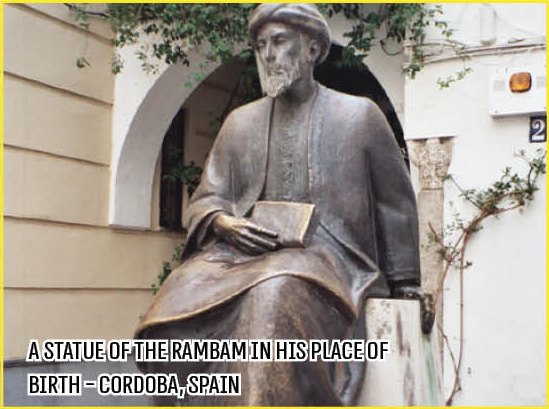
Spouse: Daughter of Rabbi Mishael HaLevi ben Rabbi Yeshaya HaChassid Halevi Altaka
Children:
First name: Avrohom
Titles: Raavam, the Chassid, and the Nagid
Date of birth: 28 Sivan 4946
Date of passing: 18 Kislev 4998
Positions: Succeeded his father in leading the Jews of Egypt, physician to the Sultan, and writing Torah sefarim.
Children: Rabbi Dovid Maimoni the Nagid, and Rabbi Ovadia Maimoni.
Salute #1455 • pp. 2-7
© 2026 Beis Moshiach Magazine. All rights reserved.
This article originally appeared in Beis Moshiach #1455. You are welcome to share it with friends and family by email or in print, provided that you do not change, add to or omit any part of it, you credit the author and Beis Moshiach, and you include a link to archive.bmoshiach.org (written out in full in printed copies).
To republish this article in a newspaper, magazine, book or website, please request permission in advance at [email protected].