What Oil Can Teach Us About Kiruv
Ad adaptation of a letter of the Rebbe from 20 Kislev 5708 (1947) with a powerful and relevant message from Chanuka in the work of disseminating and bring fellow Jews close to Yiddishkeit:

כ״ט כסלו תשפ״ו·December 19, 2025

Ad adaptation of a letter of the Rebbe from 20 Kislev 5708 (1947) with a powerful and relevant message from Chanuka in the work of disseminating and bring fellow Jews close to Yiddishkeit:

A Yeshiva bachur wrote to the Rebbe concerning his involvement in the publishing of seforim. The Rebbe responded thus:

Typhoons, vast distances and a scattered Jewish population – and in the middle of it all, the Rebbe’s shluchim. A visit to the eight Chabad Houses across the islands of the Philippines.
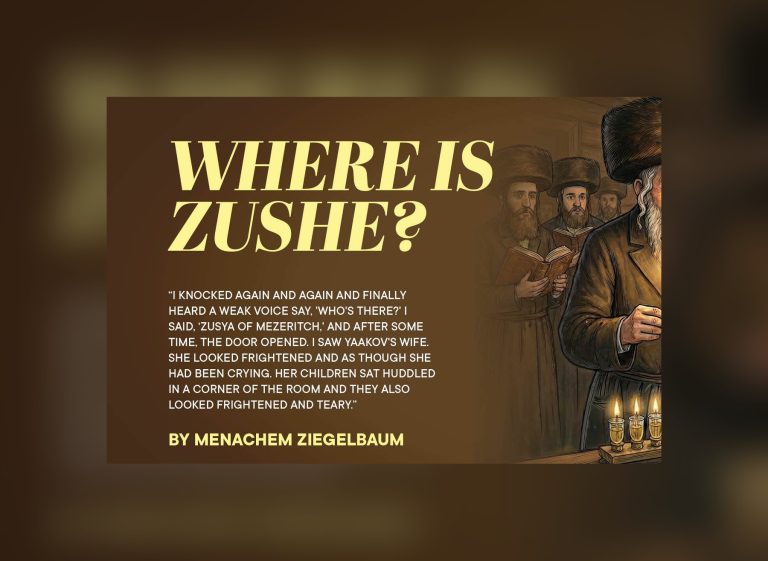
“I knocked again and again and finally heard a weak voice say, ‘Who’s there?’ I said, ‘Zusya of Mezeritch.’ And after some time, the door opened. I saw Yaakov’s wife. She looked frightened and as though she had been crying. Her children sat huddled in a corner of the room and they also looked frightened and teary.”

In a striking prediction at the US-Saudi Investment Forum last week, tech billionaire Elon Musk painted a future that sounds remarkably familiar to anyone versed in Jewish messianic prophecy. “My prediction is that work will be optional,” Musk declared. “It’ll be like playing sports or a video game or something like that.”

A collection of halachic Q&A’s on the mitzvah mid’Rabanan of saying Hallel, praise to Hashem, on festive days such as Chanukah and Rosh Chodesh Compiled from AskTheRav.com and Halacha2Go, under the auspices of HaRav Yosef Yeshaya Braun, Mara D’Asra and member of the Crown Heights Beis Din

When Chanuka comes around, there is much to discuss and write about. Whether it is about the importance of adding in Torah, mivtzaim, or the importance of pirsumei nisa to name a few. I would like to share an insight for those who are involved in Chinuch in a formal or informal capacity, as the foundation of the word Chanuka is Chinuch. This idea could really be transformative and I do not ever…

Stories of our Rebbeim and their Chassidim highlighting concepts we learn in the daily Tanya. In this installment – Chapter 2

At the end of the parsha, the Torah tells us about the difficult dialogue that took place between Yosef and his brothers, in which he accuses them of stealing his silver goblet. The brothers are horrified by the very idea that someone suspects them of theft, and they answer bitterly: “chalila la’avadecha me’asos ka’davar hazeh” (G-d forbid that your servants should do such a thing) (Mikeitz…

“Why do my kids ruin everything?” Chaya Shuchat on the toys in the toilet, the deleted hard drive and the endless messes – and the little phrase she holds onto in the midst of the chaos.

Chanuka and Purim are joyous days whose origin is not from the Torah but m’drabanan. They were not given from above to below, but went from below to above following the mesirus nefesh of Am Yisrael to continue fulfilling their mission in this world, despite the enemy’s attempts to harm us physically, mentally, and spiritually. At the center of both these holidays stand women: Yehudis in Chanuka…
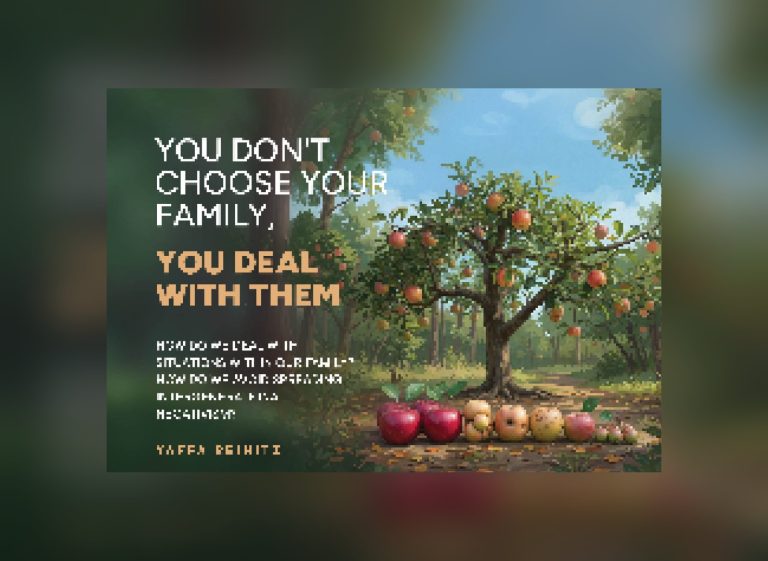
This is the story of a family dealing with complex challenges. The family members live in a very difficult neighborhood next door to criminals and the underworld. They also have criminal relatives – the father’s uncle is a famous charlatan, you can’t believe a word that comes out of his mouth, the father’s brother has long since joined a bad culture, and there are rumors that he is a murderer…
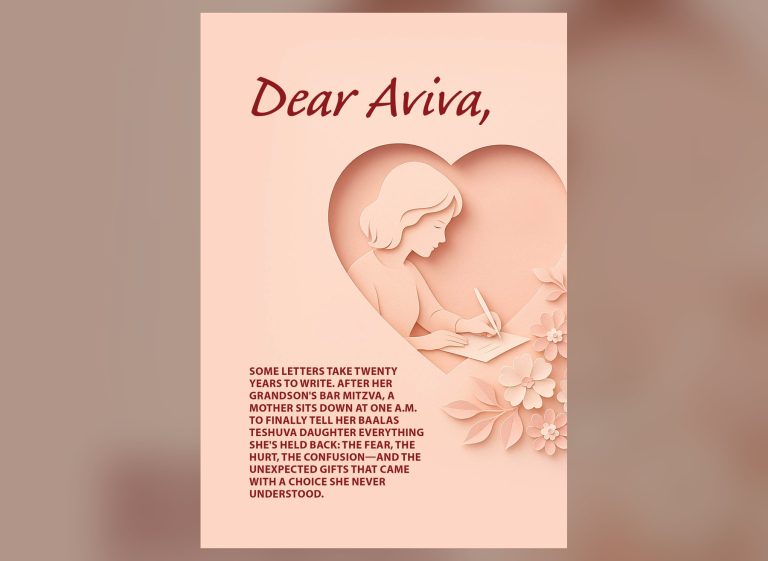
Some letters take twenty years to write. After her grandson’s bar mitzva, a mother sits down at one a.m. to finally tell her baalas teshuva daughter everything she’s held back: the fear, the hurt, the confusion – and the unexpected gifts that came with a choice she never understood.

Aidel decides to make a shidduch between Zalman and Tzirel. She tries to convince Tzirel to get married again.

Russia: Avremel’s wife opens the package of passports and finds only five – one short for her and the children. Eretz Yisrael: Moishy remains suspicious of the neighbor who insists he is Ukrainian.
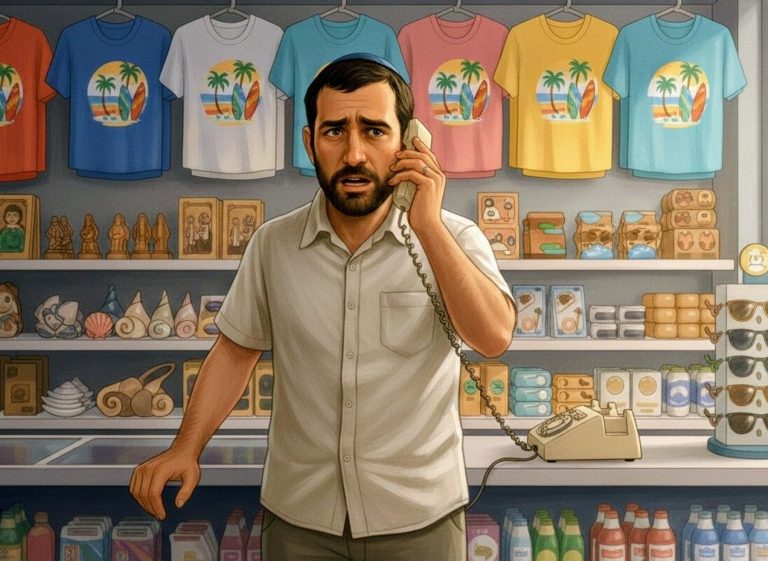
Nissim moves to South Carolina and meets the shliach, Rabbi Doron. He writes a letter to the Rebbe asking for help keeping Shabbos. Amazingly, the Rebbe answers the very next day, a Friday, expecting him to start keeping Shabbos that very afternoon!
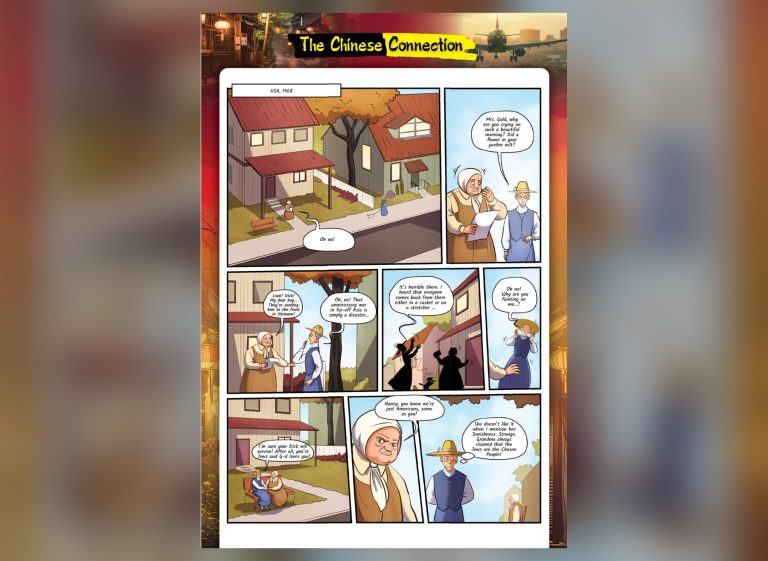
Chapter 12 of the The Chinese Connection comic.