People & Places in Reb Levik’s Remarkable Life
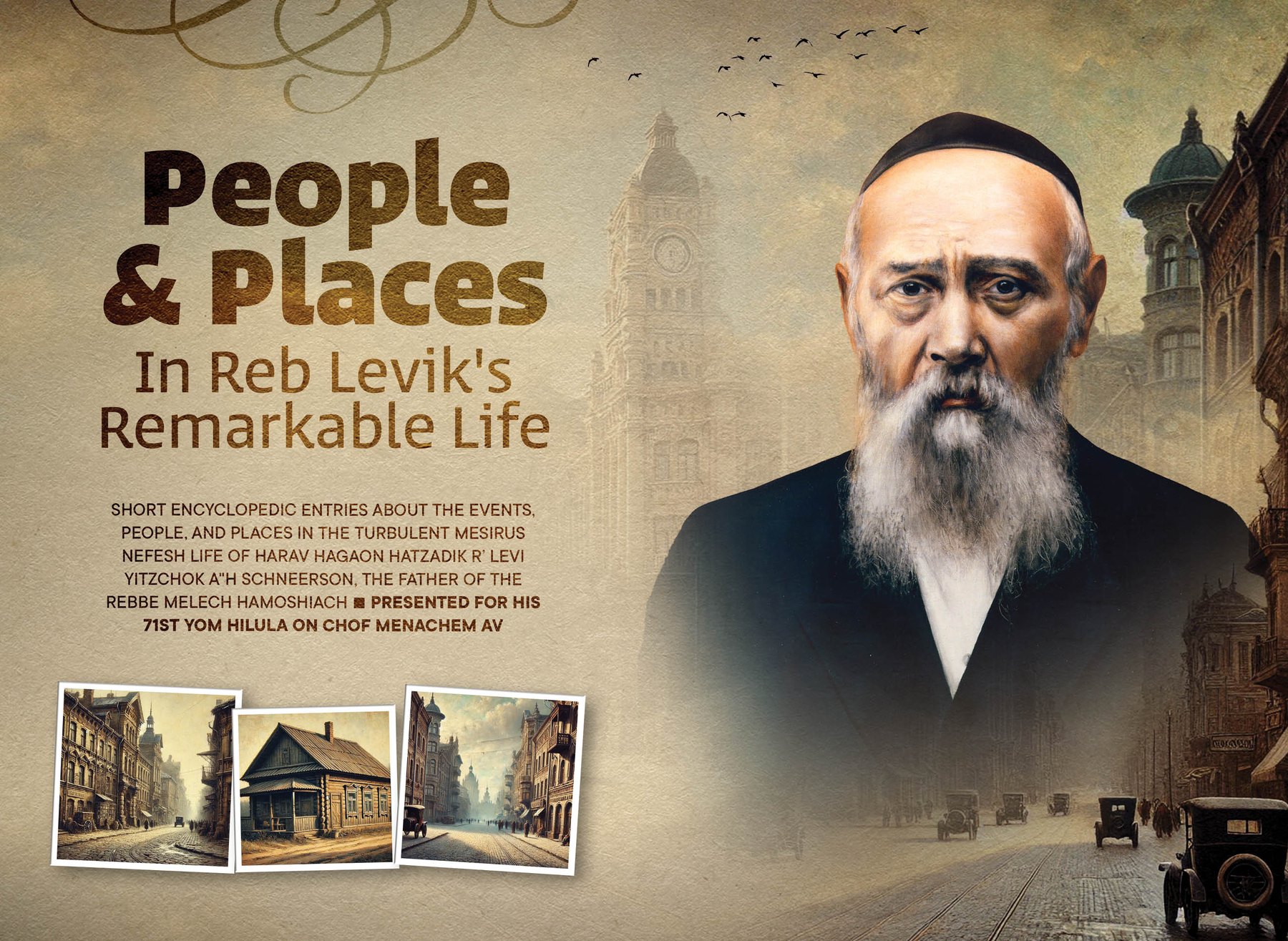
Short encyclopedic entries about the events, people, and places in the turbulent mesirus nefesh life of HaRav HaGaon HaTzaddik R’ Levi Yitzchok a’h Schneerson, the father of the Rebbe Melech HaMoshiach, presented for his 71st yom hilula on Chof Menachem Av.
Alma Ata
Alma Ata is the city where Reb Levi Yitzchok arrived after his harsh exile, where he spent the final months of his life in this world. Extensive efforts were made by people with ties in the government to obtain the approval of Communist authorities to transfer him from his place of exile in Chili to Alma Ata.
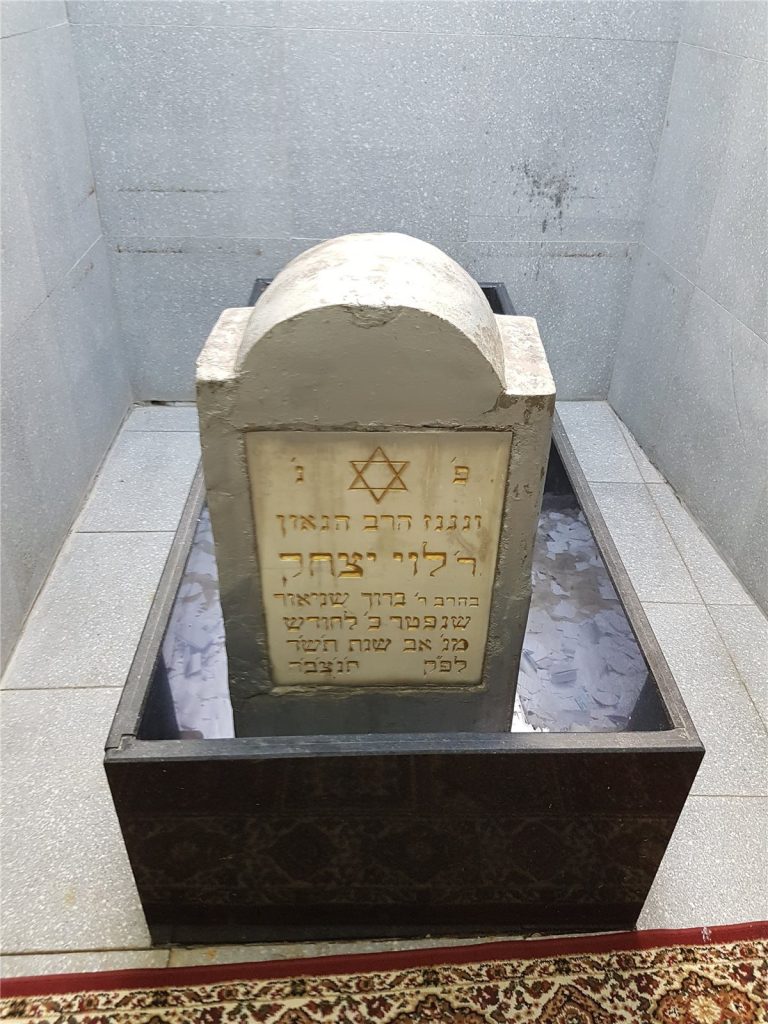
In this city, Rabbi Levi Yitzchok Schneerson returned his soul to his Creator, and an ohel was erected over his gravesite to which many flock throughout the year, particularly on the day of his hilula, the 20th of Menachem Av.
Today, the Rebbe’s shluchim, led by the Chief Rabbi of Kazakhstan Rabbi Yeshaya Elazar HaKohen, are active in the city and work around the year with its Jewish community.
R’ Baruch Shneur Schneerson
Father of R’ Levi Yitzchok. He was an outstanding Torah scholar and Chassid of three Rebbes: the Rebbe Maharash, the Rebbe Rashab, and the Rebbe Rayatz.
He was the great-grandson of the Rebbe the Tzemach Tzedek. He merited special kiruv and affection from Rabbosienu Nesieinu, and during the years he stayed with the Rebbe Rashab, he recorded his experiences in the Rebbe’s court. These writings were discovered in the Rebbe Rayatz’s archives and published in recent years.
He married his wife, Rebbetzin Zelda Rachel, in the month of Teves 5631 (1871). Before their wedding, the Rebbe Maharash said a special maamar for them.
Rebbetzin Chana Schneerson
Rebbetzin Chana, wife of R Levi Yitzchok, is the key figure in everything related to his life story.
She was born on the 28th of Teves 5640 (1880) to her father R’ Meir Shlomo Yanovsky, rabbi of Nikolayev, and to her mother Rebbetzin Rochel. In those days the town of Nikolayev was home to a vibrant community of Chabad Chassidim. When a maamar Chassidus would be received from Lubavitch, young Chana would copy it in beautiful handwriting for the benefit of all the Chassidim.
At age twenty she married Rabbi Levi Yitzchok, a the match was proposed by the Rebbe Rashab himself.
During the years of his rabbinate, as well as during the years of his exile, Rebbetzin Chana followed him with indescribable faithfulness and devotion. When necessary, she was even involved and active in community life. During World War I she established an organization that took care of providing lodging and food for refugees.
Only after her husband’s passing did she turn to deal with her personal affairs. She succeeded in leaving Russia through the well-known “eshalons” and on the 28th of Sivan 5707 (1947) she arrived safely in the US, where she finally enjoyed immense nachas in the company of her eldest son, until her passing on Shabbos, the 6th of Tishrei 5725 (1964).
Dnepropetrovsk/Yekaterinoslav
Dnepropetrovsk (Today Dnipro) is the third largest city in Ukraine. The city sits on the banks of the Dnieper River, which gave it its name. Until 5686 (1926) the city was called Yekaterinoslav. This is the city where Rabbi Levi Yitzchok served as chief rabbi.
Reb Levi Yitzchok was chosen for the high position when he was only thirty-one years old, at the end of 5669 (1909), and served in this capacity for about thirty years, until his arrest in 5699 (1939).
When the matter of Reb Levi Yitzchok’s rabbinate was discussed, the Rebbe Rashab encouraged the city’s Jews to accept him as rabbi: “…a man in whom there is spirit, and as I know him well, the crown of rabbinate befits him in all the required details. He is a great scholar and G-d-fearing to the extreme, pure of thought and gentle of temperament, possessing very good and noble character traits, and knows how to conduct his leadership with knowledge and wisdom, and you can have no one better than him.”
For 30 years he served as the city’s rabbi, and worked to strengthen Jewish matters in every possible way in the city and the entire region.
Files from NKVD Archives
With the fall of the Iron Curtain that was sealed for seventy years of oppression and tyranny, the classified KGB archives were also opened, and the opportunity to receive R’ Levi Yitzchok’s interrogation file presented itself. This file contains arrest warrants, search warrants, protocols from the searches conducted in his home, confirmation of burning the documents found in the searches, protocols of interrogations — both personal and face-to-face interrogations with other prisoners — summaries, filing of the indictment, sentencing, and appeals on the sentence. The file also contains court decisions from several years ago about his complete acquittal from all charges he was accused of decades ago.
From reviewing the protocols one can see how far the wickedness of these tyrannical forces of evil reached.
For one, most of the interrogations were conducted at night, mainly on Friday nights or on Shabbos and holidays. The files also show what they did against other Jews who were arrested and tortured in harsh interrogations in order to extract testimonies against Reb Levi Yitzchok.
Review of the interrogation protocols reveals how careful Reb Levi Yitzchok was not to mention names that helped him in his work. Even in cases where he was forced to do so, he mentioned those who had already passed away or were no longer in the USSR. “I don’t remember,” “I don’t know,” and the like are common answers, so not to incriminate anyone else.
On Thursday, the 4th of Elul 5751 (1991), after more than five decades, the file was transferred to his son the Rebbe, not before his father’s name was “rehabilitated” and exonerated of all guilt. The file was given by the head of the KGB to members of Agudas Chasidei Chabad in Russia in a special ceremony.
Rabbi Naftali Tzvi Gottlieb
One can say with a measure of confidence that the entire story of the imprisonment, exile, and very personality of Reb Levi Yitzchok would not have been known to us were it not for the tremendous work of the Chassidishe writer Rabbi Naftali Tzvi Gottlieb of blessed memory, from Yerushalayim. He wrote and published more than sixty books, but the most prominent of them all is the book “Toldos Levi Yitzchok” which is a detailed biography of Reb Levik’s life and times. Rabbi Gottlieb counted it as first in importance in his series of books.
Thanks to this book, there is hardly a Chassid who doesn’t know the life story of Reb Levi Yitzchok in one form or another, but when Rabbi Gottlieb began his writing work, only a few knew the full scope of this distinguished personality.
The idea of writing the book was born in the late 5720s (1960s). One day Rabbi Gottlieb sat and thought about how almost no one knew about the Rebbe’s yichus. He requested the Rebbe’s permission, but an answer delayed in coming, and the idea was shelved.
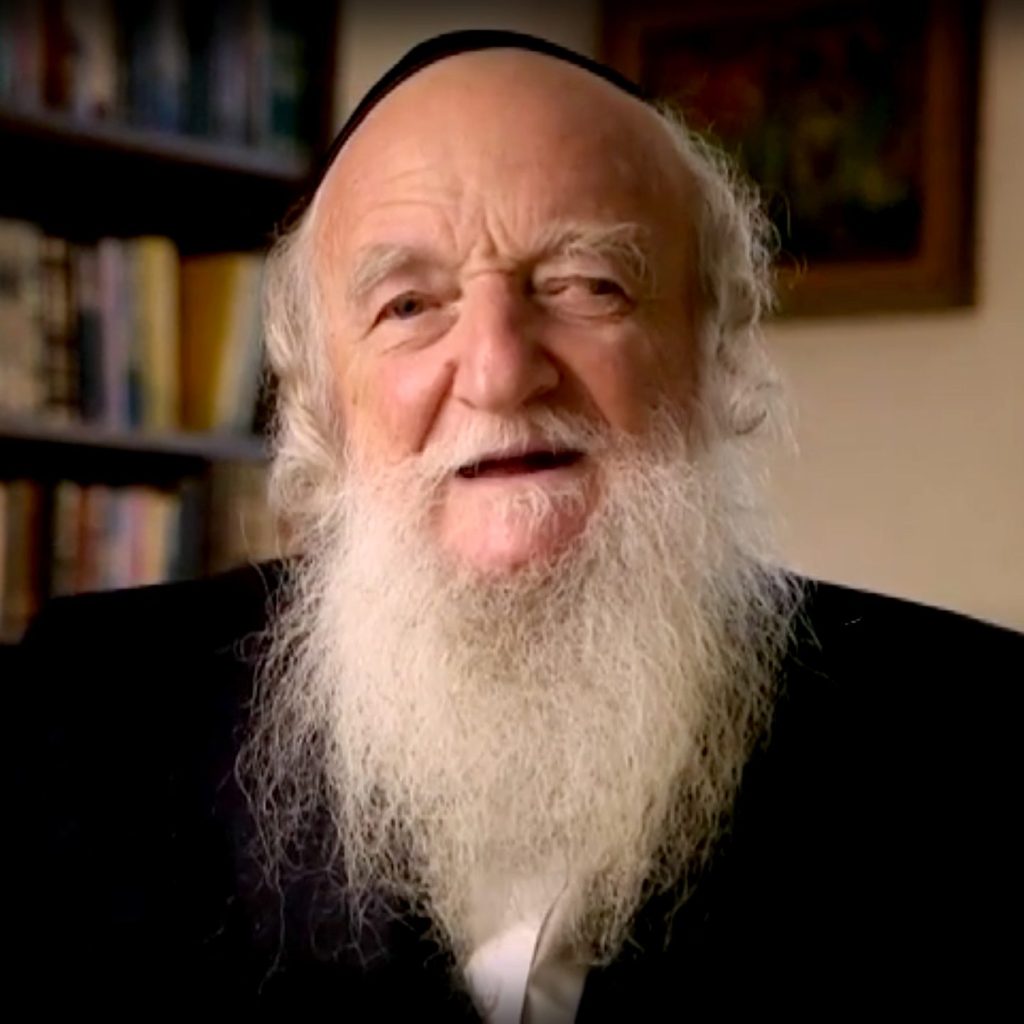
“In the month of Tishrei 5735 (1974) I came to the Rebbe for the first time in my life,” Rabbi Gottlieb related. “When I passed by for kos shel bracha, the Rebbe suddenly turned to me and said, ‘You promised me a book about my father – where is the book?’ I didn’t remember what the Rebbe was referring to since years had passed since the idea was conceived. Suddenly I remembered, and I immediately answered that since I hadn’t received approval, I hadn’t dealt with it any further. The Rebbe smiled broadly: ‘What do you mean, for such a matter you need approval? The Ribono shel Olam needs to give the approval.’ Right then the Rebbe added and instructed: ‘Now that you’re here, occupy yourself with gathering material for the book.’”
“The Rebbe’s involvement in the book was extraordinary. The Rebbe was constantly interested in the book’s progress. After finishing writing a chapter, it was immediately sent to the Rebbe for editing. Several times Rabbi Gotlieb received a phone call from the secretary Rabbi Chodakov a”h who would dictate the corrections on the chapter… There was no doubt that these were the Rebbe’s corrections.”
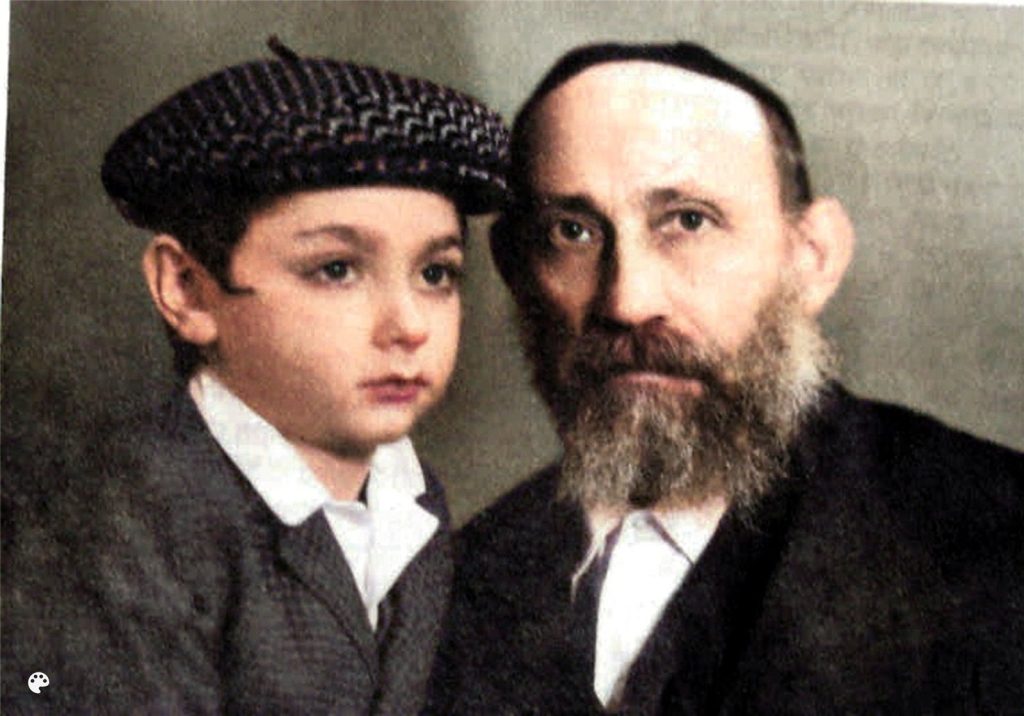
One day Rabbi Gottlieb received a letter from the Rebbe, and at its end he added in his holy handwriting: “It’s very unfortunate that the [biographical] sketches about my father are being so delayed, and until when? Apparently it won’t be published even by the 11th of Nissan?!”
R’ Hirshel Rabinowitz
A special figure in Reb Levik’s life is that of the devoted Chassid Reb Tzvi Hirsh, Hirshel, Rabinowitz from the city of Chernowitz. An intelligent and bold man with a heart of gold who risked his life to assist Reb Levi Yitzchok in his place of exile, Alma Ata. He was among the activists who worked to rescue Reb Levi Yitzchok from his place of exile in Chili and bring him to the larger and more established Alma Ata where he would be among more Jews and in far better material conditions.
R’ Hirshel was not satisfied with just the rescue. He cared daily for all his needs. According to the doctors’ instructions, Reb Levi Yitzchok needed to eat chicken broth daily. But where does one obtain fresh chicken daily in such harsh times? Again the wonderful figure of R’ Hirshel emerges. He exerted himself with all his strength to obtain the chicken, shecht it, make it kosher and cook it, when he himself took care to feed Reb Levik during his days of illness and weakness, when he couldn’t eat by his own strength.
R’ Hirshel also obtained special flour for Reb Levik, something that was difficult to obtain in those wartime days. From the flour he baked special challos for him for Shabbos and weekdays. He also obtained raisins and with personally prepared wine for the Rav for kiddush and havdala.
Throughout all the days of the Reb Levik’s illness, Hirshel did not move from his bedside day and night, weekdays and Shabbos. R’ Hirshel accompanied Rabbi Levi Yitzchok with devotion and cared for all his needs, until that bitter day, the 20th of Menachem Av, when he passed away to the heavens above. He even merited to inherit his wondrous staff that had protected him from dangers in the years forward.
Ink
Much of the series of books containing the published Torah teachings of Reb Levi Yitzchok, have reached us thanks to the ink that Rebbetzin Chana produced with her very own hands after joining her husband in his place of exile in Kazakhstan.
The holy sage who sat in his place of exile surrounded by thoughts of Torah, Chassidus and Kabbalah, thirsted for a little ink to record his Torah insights that filled his heart and soul. The Rebbetzin therefore girded herself with wisdom, and produced ink from herbs and plants to enable her husband to put his Torah innovations down in writing.
Thus the Rebbetzin relates in her memoirs: “A week before Pesach I traveled to the city of Qyzyl-Orda and brought from there two notebooks, powder for making ink, and an inkwell to keep the ink in it. The joy this caused my husband cannot be described. He immediately set to the work of writing, with more energy than he had for eating the bread I brought him after such long and heavy hunger.”
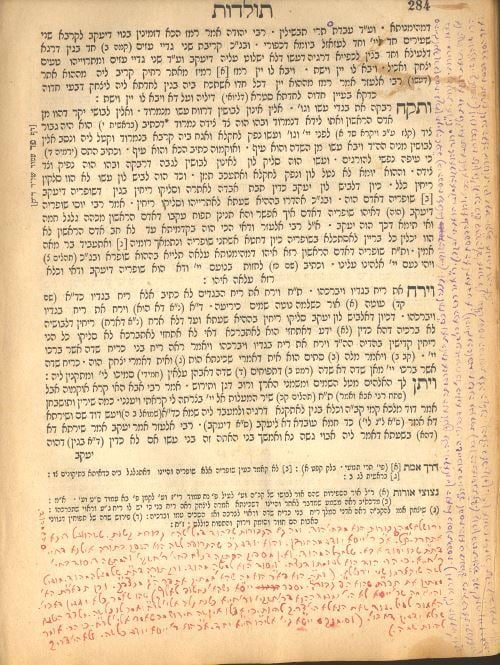
She even endangered her life when she took his manuscripts with her during her wanderings. These writings were eventually smuggled out of the Soviet Union and printed in a series of books called “Likkutei Levi Yitzchok.”
Kollel Tiferes Levi Yitzchok for Seniors
The network of Kolelim for seniors “Tiferes Zkeinim Levi Yitzchok,” was established by the Rebbe in memory of his father in 5740 (1980), as an act of “a son honors his father.”
The Rebbe not only wanted to honor his father’s memory by naming the kollelim after him, but also felt an obligation and privilege to participate in establishing the kollelim with monetary sums: “…for those who will give the name ‘Tiferes Zkeinim’ (alone) there will be participation in the amount of 18 dollars (this considering that this is the minimum amount that I think every donor should give), and for those who will also add the name ‘Levi Yitzchok’ – I have a special obligation (and privilege) in this and therefore, participation from a special fund will be given in the amount of one hundred dollars” (20th of Av 5740).
The Rebbe added that the money would be given from the “Levi Yitzchok Fund,” which he established in 5724 (1964).
The Rebbe dedicated for several years a special talk on one of the days of Chanuka to the members of this Kollel (along with the members of the “Chochmas Nashim” groups for senior women).
Likkutei Levi Yitzchok
Likkutei Levi Yitzchok is a collection of Rabbi Levi Yitzchok’s Torah that he wrote with self-sacrifice, under harsh during the years of his exile in the town of Chili in Kazakhstan. Reb Levik’s Torah is based mainly on Kabbalah in which he delved all the days of his life.
Many of the Torah innovations were written thanks to the resourcefulness of Rebbetzin Chana (see entry ‘Ink’).
Due to the lack of paper and ink, much of these insights were written very briefly and almost cryptically on the margins of the few books he had with him, among them a Zohar and a Tanya. These books are on display in the visitor center of the Library of Agudas Chassidei Chabad at 770.
At the farbrengen of the 6th of Tishrei 5746 (1985), the Rebbe said: “Despite all the difficulties and abundance of worries in daily life, the baalas ha’yahrtzeit took upon herself an additional worry – how to enable the publication of my father’s Torah in a way that many Jews could study these insights, and all this in order to bring closer the true and complete Redemption.”
After Reb Levi Yitzchok’s passing, the Rebbetzin succeeded in leaving the USSR, but not before entrusting the treasured writings to faithful people in Moscow. Over the years several Chassidim were enlisted to bring out the manuscript, and in cooperation with observant Jews from the free world who traveled to visit the Soviet Union, a heroic and dangerous operation was devised to rescue the writings. Under the noses of KGB agents, the manuscripts were transferred from the custody of the faithful Jew who was entrusted with guarding them, to the Israeli embassy, which hurried to send the writings by diplomatic mail to the Foreign Ministry in Jerusalem. After a few days the writings reached the hands of the Rebbe. A select team of Chassidim sat down to edit the writings into book form, with the Rebbe personally supervising the editing and arrangement of the books.
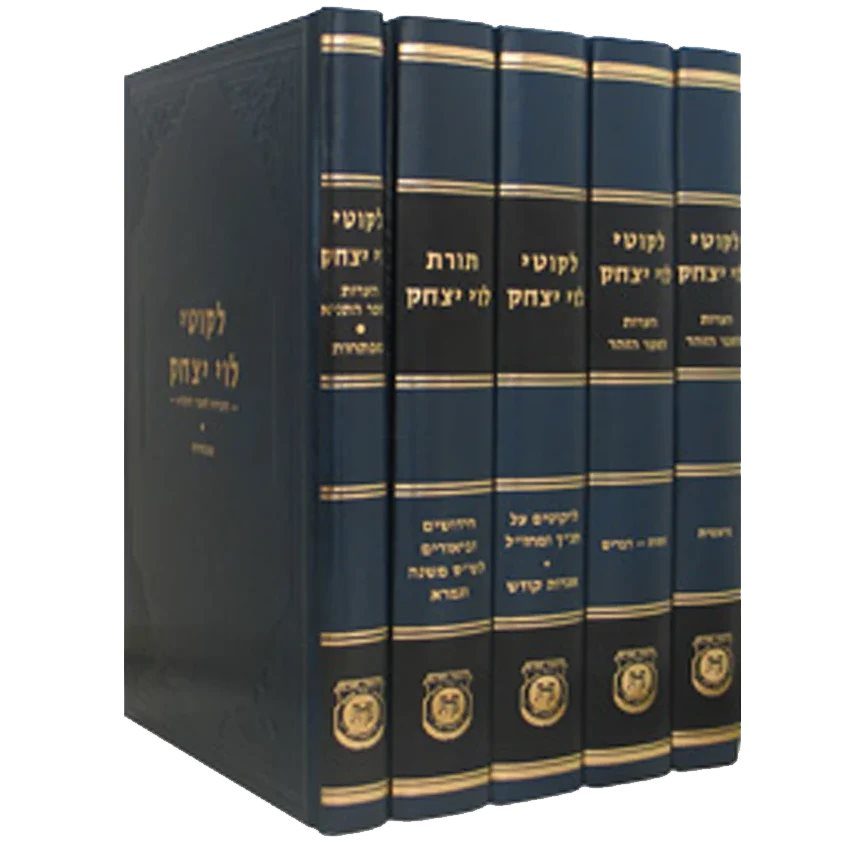
The Rebbe dedicated a portion of every Shabbos farbrengen to teaching a portion of his father’s writings for many years.
Menachem Av 5704 (1944)
The month of Reb Levi Yitzchok’s passing, on the 20th of the month.
Four months before his passing, Reb Levi Yitzchok arrived in the city of Alma Ata, but in those days a malignant disease began to spread in him (which had nested in him for many years). His condition deteriorated from day to day until on Wednesday, the 20th of Menachem Av 5704 (1944), his soul ascended to heaven.
The funeral was held the next day, with the participation of relatively small crowd, due to fear of the authorities.
The Rebbe explained in one of his talks that this day is forty days before Rosh Hashana, and constitutes the start of preparation for it.
Nikolayev
Nikolayev (later changed to Mykolaiv) is the city where Rabbi Levi Yitzchok and Rebbetzin Chana established their home soon after their marriage, and where they lived for several years in proximity to Rebbetzin Chana’s parents.
Her father, Rabbi Meir Shlomo Yanovsky, served there as rav. In this city, their firstborn son, the Rebbe, was born, and there he also spent his formative years, learning in the local ‘cheder’ with his teachers.
From this city the first light of the Rebbe shone upon the entire Jewish world.
Nissan 5699 (1939)
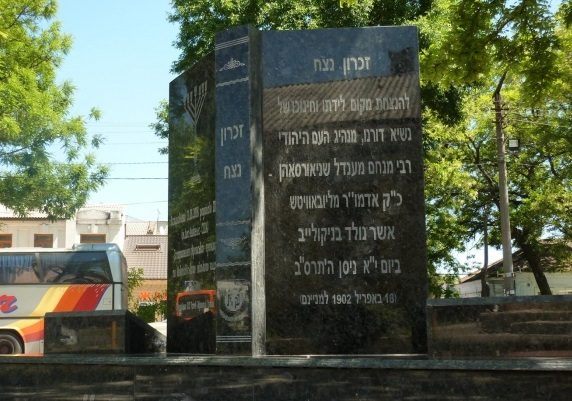
On the night of the 9th of Nissan 5699, at three o’clock in the morning, four NKVD agents came to the Rav and Rebbetzin’s home on Barikadnaya Street 13, with a search warrant in their hands. At the end of the detailed search, they took Reb Levik with them to prison.
When the Rebbetzin came the next day to the secret police headquarters to bring her husband food, she was turned away with the excuse that he was not there. Only after several days was she informed that her husband was in the local prison and that she could transfer food and money to her husband, but every time she asked to see him, she was told that he wasn’t there, despite the prosecutor’s office telling her that he was.
After several days the authorities transferred the Rav to Kiev, to a high-security prison for criminals sentenced for serious crimes. Reb Levi Yitzchok was arrested because the authorities saw him as standing in place of the Rebbe Rayatz (who has left Russia over a decde earlier) in encouraging and motivating all Jewish-religious activity in the USSR.
Throughout his imprisonment he was held in harsh conditions. Once he was even put in solitary confinement for 32 days, but Reb Levik stood firm and did not confess to any crime attributed to him.
Ohel
Throughout all the years since R’ Levi Yitzchok’s passing, the Rebbe showed great interest in his father’s gravesite and cared for preserving the place and its sanctity. Over the years the Rebbe sent money to preserve the place and precise instructions for renovation and renewal.
In 5732 (1972), after Rabbi Mordechai Gorelik gave the Rebbe in a yechidus he had soon after his arrival from Russia, photographs of the gravesite and tombstone. The Rebbe asked him to ask his family members if they could repair the tombstone, and gave detailed instructions regarding the renovation work. The main person involved in this was his brother Rabbi Chaim Elazar Gorelik. It is said that during this wondrous mission several miracles occurred.
The one who built the tombstone was R’ Gavriel Ochanov.
In 5749 (1989), Rabbi Dovid Nachshon and R’ Avi Taub erected an ohel around the tombstone. The preparations took time, and the two visited the gravesite several times, until they actually erected the ohel in the month of Elul 5749 (1989).
A few days after establishing the ohel they came to Beis Chayeinu and before their departure back to Eretz Yisrael, they gave the key to the ohel to the mazkirus to pass on to the Rebbe, but when they intended to leave for the airport, they were called from the mazkirus and urgently instructed to come to 770 because the Rebbe requested that they give him the key personally. Rabbi Nachshon and R’ Avi Taub were brought into the Rebbe’s holy room and handed the key and a report on establishing the ohel. The Rebbe held the key tightly, looked for a moment at the keychain, where Rabbi Nachshon had written on a note that this was the key to the ohel in Alma Ata, and the Rebbe asked: “What is this?” And Rabbi Nachshon said: “This is the key to the ohel in Alma Ata.” The Rebbe looked upward and said with emotion: “This is the key to the ohel.” And then he blessed the two:
“Fortunate is their portion, great is their reward, great is their merit, for arousing the Jews of Russia and working with them, and dealing with the ohelim of the Rebbes, tzadikim and holy ones. And may we not need to come to this – through there being ‘hakitzu v’raneneu shochnei afar – arise and sing, you who dwell in the dust.’”
In recent years, the shluchim in the city renovated the gravesite and the approach to it and gave it a renewed appearance befitting this holy place.
Photograph
Rebbetzin Chana writes in her memoirs:
“There isn’t even a photograph of him [of her husband Rabbi Levi Yitzchok] in existence. I had a photograph that was given to him at the time of his release, after the terrible years he went through. The face in that photograph didn’t resemble his original appearance at all. I didn’t want our sons to see him in this state, and anyway I couldn’t have brought it across the border.
“In addition, I hoped to find here a photograph we had sent from Russia, but since it wasn’t decreed thus from Above – this photograph was also lost. The photograph that was here was a family photograph, with the entire family together.”
Later, the photograph taken at the time of his release was found, in which Rabbi Levi Yitzchok appears crushed by suffering. When they sent it to the Rebbe – the Rebbe wrote on the back of the photograph “אאז”ל? – Father?”, meaning that the holy appearance of Rabbi Levik had changed almost beyond recognition as a result of his pain and suffering in the exile of Chili – to the point that it was difficult to recognize that this was him. The Rebbe expressed his wonder and immense pain in one four letters.
Later, they discovered in Reb Levi Yitzchok’s interrogation file his photograph from the period of the beginning of his arrest (two photographs: frontal and profile), – and here too, despite the fact that the pure countenance of Rabbi Levi Yitzchok’s holy face in this photograph was very impressive and aroused holy awe, the Rebbe commented: “He doesn’t look healthy.”
Beis Moshiach #1471 • pp. 26-33, 34
© 2026 Beis Moshiach Magazine. All rights reserved.
This article originally appeared in Beis Moshiach #1471. You are welcome to share it with friends and family by email or in print, provided that you do not change, add to or omit any part of it, you credit the author and Beis Moshiach, and you include a link to archive.bmoshiach.org (written out in full in printed copies).
To republish this article in a newspaper, magazine, book or website, please request permission in advance at [email protected].